

 Send Email
 Whatsapp


How do I know what size solar cable I need?

You need the right Solar Cable size for safe and efficient energy flow in your system. Always check your system’s maximum current and cable length. A proper cable size helps you avoid energy loss, overheating, or fire. Remember, using the correct solar cable protects your equipment and your home.
Key Takeaways
- Always choose a solar cable that can handle your system’s maximum current plus a 25% safety margin to prevent overheating and damage.
- Measure the total cable length carefully and keep it as short as possible to reduce energy loss and voltage drop.
- Use solar cables with proper insulation made for outdoor use, and pick the right cable size using charts or calculators to keep voltage drop below 3%.
Key Factors for Solar Cable Sizing
System Current (Amps)
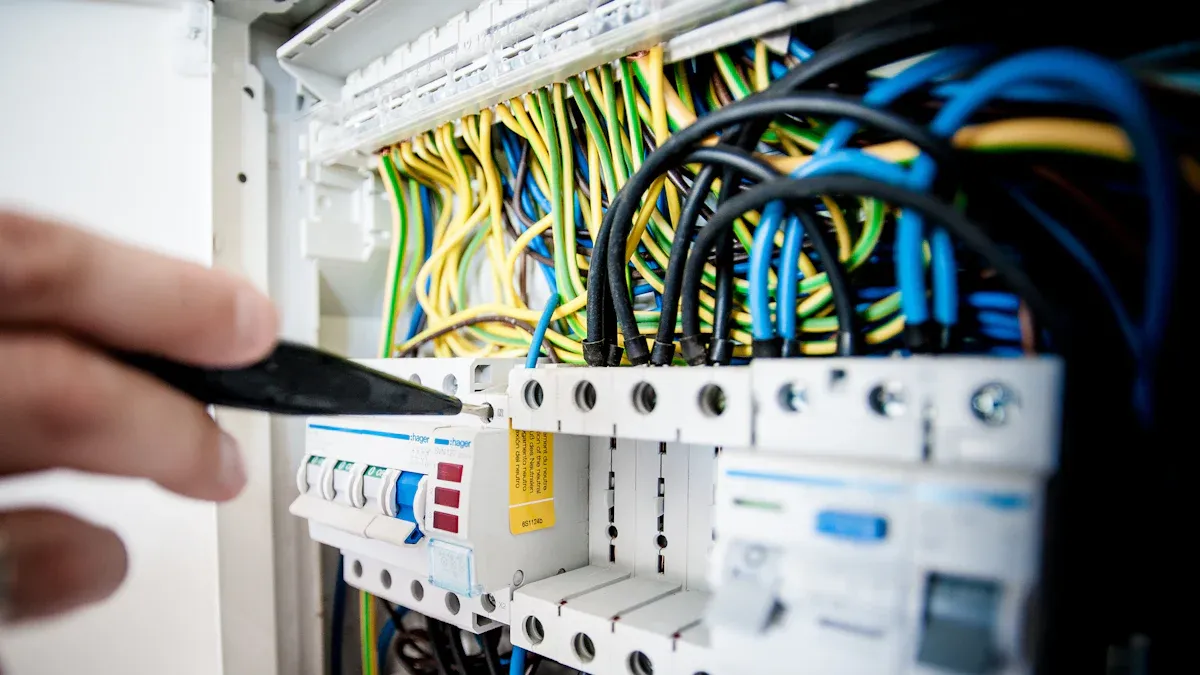
You need to know how much current your solar system will carry. The current, measured in amps, tells you how much electricity flows through the solar cable. If you use a cable that is too small for the current, it can overheat. Always check the maximum current your solar panels or inverter will produce. You can usually find this number on the equipment label or in the manual.
Cable Length
The length of your cable run affects how much power you lose as electricity travels. Longer cables cause more voltage drop. Measure the distance from your solar panels to your inverter or battery. If you have a longer cable, you may need a thicker solar cable to keep your system safe and efficient.
Tip: Try to keep your cable runs as short as possible. Shorter cables help reduce energy loss.
Acceptable Voltage Drop
Voltage drop means the loss of voltage as electricity moves through the cable. Most experts recommend keeping voltage drop below 3%. If the voltage drop is too high, your system will not work well. You can use a voltage drop calculator to check if your chosen cable size is right.
Solar Cable Type and Insulation
Not all cables are the same. You should use a solar cable made for outdoor use. These cables have special insulation to protect against sunlight, water, and heat. Look for cables marked as PV Wire or USE-2. Good insulation keeps your system safe and helps your cables last longer.
Step-by-Step Solar Cable Sizing Guide

Calculate Maximum System Current
Start by finding out how much current your solar system will carry. Look at the label on your solar panels or check the manual. You need to know the maximum current, measured in amps. If you connect panels in parallel, add the current from each panel together. If you connect panels in series, use the current from one panel. Always use the highest value you find. This step helps you choose a solar cable that can handle the load safely.
Tip: Add a safety margin of 25% to your maximum current. This extra amount protects your system from unexpected surges.
Measure Total Cable Run
Next, measure the distance from your solar panels to your inverter or battery. Use a tape measure for accuracy. If your system uses both a positive and a negative cable, double the length. For example, if your panels are 30 feet from your inverter, your total cable run is 60 feet. This number helps you figure out how much voltage drop will happen along the cable.
Determine Maximum Allowable Voltage Drop
You want to keep voltage drop as low as possible. Most experts suggest a voltage drop of 3% or less. To find the maximum allowable voltage drop, multiply your system voltage by 0.03. For example, if your system runs at 24 volts, the maximum drop should be 0.72 volts (24 x 0.03 = 0.72). Keeping voltage drop low helps your solar system work better and last longer.
Use a Solar Cable Size Chart or Calculator
Now you can use your numbers to pick the right solar cable. Find a solar cable size chart online or use a voltage drop calculator. Enter your maximum current, total cable run, and system voltage. The chart or calculator will show you the minimum cable size you need. Always round up to the next larger size if you are unsure.
Note: Charts and calculators often use American Wire Gauge (AWG) sizes. A lower AWG number means a thicker cable.
Example Solar Cable Sizing for Common Setups
Let’s look at a simple example. You have a 12-volt system with a maximum current of 20 amps. Your panels sit 15 feet from your battery. The total cable run is 30 feet (15 feet x 2). You want a voltage drop of less than 3%.
- Maximum current: 20 amps x 1.25 (safety margin) = 25 amps
- System voltage: 12 volts
- Maximum voltage drop: 12 x 0.03 = 0.36 volts
- Total cable run: 30 feet
Using a solar cable size chart, you see that 6 AWG cable will keep the voltage drop below 3%. You choose 6 AWG for your setup.
Quick-Reference Solar Cable Size Chart
Here is a simple chart to help you choose the right cable size for your system. This chart assumes a 3% voltage drop and copper wire.
| Max Current (Amps) | 12V System (up to 20 ft) | 24V System (up to 20 ft) | 48V System (up to 20 ft) |
|---|---|---|---|
| 10 | 10 AWG | 12 AWG | 14 AWG |
| 20 | 8 AWG | 10 AWG | 12 AWG |
| 30 | 6 AWG | 8 AWG | 10 AWG |
| 40 | 4 AWG | 6 AWG | 8 AWG |
Reminder: If your cable run is longer than 20 feet, use a thicker cable or check a detailed chart.
You protect your system and home when you choose the right cable size. Always check your numbers and use trusted charts. If you feel unsure, ask a professional for help. Picking a slightly larger cable can add extra safety to your setup.
FAQ
How do you know if your solar cable is too small?
You may notice your cables feel hot or your system loses power. Always check your cable size against your system’s current and length.
Can you use regular electrical wire for solar panels?
You should not use regular wire. Solar cables have special insulation. These cables resist sunlight, water, and heat better than standard wires.
What happens if you oversize your solar cable?
You improve safety and reduce voltage drop. Oversized cables cost more and are harder to install, but they protect your system.