

 Send Email
 Whatsapp


How important is ground cable for solar system?

Have you ever wondered how solar systems stay safe and reliable? A ground wire plays a big role in making that happen. It keeps your system protected from electrical hazards like shocks and fires. Plus, it helps your equipment last longer by preventing damage. Without it, your solar setup could face serious risks.
Key Takeaways
- A ground wire is very important for safety. It stops shocks and fires by sending extra electricity into the ground.
- Good grounding keeps your solar gear safe from lightning and power spikes. This helps avoid expensive fixes.
- Check your grounding system often to make sure it’s tight and not rusty. This care keeps your solar system safe and working well.
Why is a ground wire essential for solar systems?
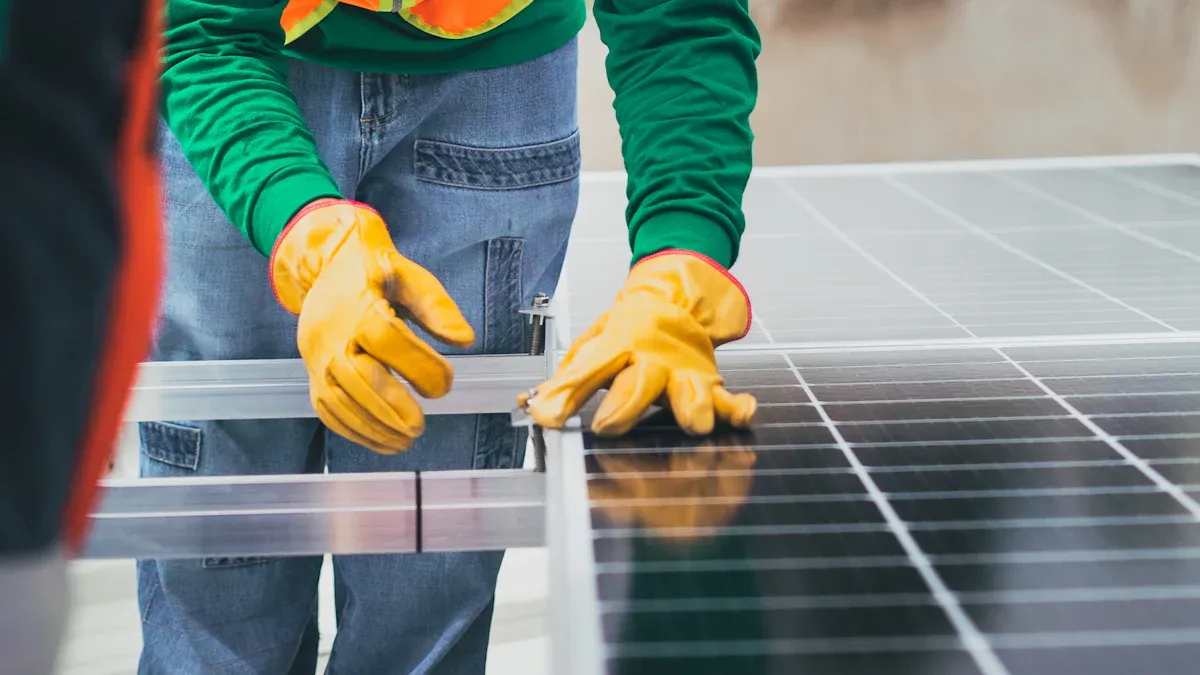
Preventing electrical hazards and ensuring safety
Imagine this: you're enjoying the benefits of your solar system, but suddenly, an electrical fault occurs. Without a ground wire, that fault could lead to dangerous shocks or even fires. A ground wire acts like a safety net. It redirects excess electricity away from your system and into the earth, keeping you and your property safe.
Tip: Always ensure your solar system has a properly installed ground wire. It’s not just about safety; it’s about peace of mind.
Protecting solar equipment from surges and lightning
Lightning strikes and power surges can wreak havoc on your solar equipment. These sudden bursts of energy can fry your inverter, damage your panels, or even shut down your entire system. A ground wire steps in as your system’s protector. It channels the excess energy safely into the ground, preventing costly repairs and downtime.
Here’s a quick example:
| Scenario | With Ground Wire | Without Ground Wire |
|---|---|---|
| Lightning strike nearby | Energy safely dissipates | Equipment damage likely |
| Power surge in the system | System stays functional | Risk of system failure |
Enhancing system efficiency and performance
You might not realize it, but a ground wire can also boost your solar system’s performance. By maintaining a stable electrical environment, it reduces interference and ensures your system operates smoothly. This means better energy output and fewer hiccups in your day-to-day usage.
Think of it like tuning a musical instrument. Just as a well-tuned guitar produces clear sound, a properly grounded solar system delivers consistent energy.
How does a ground wire function in a solar system?
Connection between solar components and the earth
A ground wire acts like a bridge between your solar system and the earth. It connects key components, like your solar panels, inverter, and mounting structures, to the ground. This connection creates a safe pathway for stray electrical currents.
Why does this matter? Electrical faults can happen for many reasons—damaged wires, faulty equipment, or even environmental factors like moisture. Without a ground wire, these currents could build up and cause harm. By grounding your system, you’re giving excess electricity a safe exit route.
Think of it like a safety valve in a pressure cooker. When pressure builds up, the valve releases it to prevent accidents. Similarly, the ground wire releases unwanted electricity into the earth, keeping your system safe and sound.
Dissipating excess electrical energy safely
Ever wondered what happens to all that extra electricity during a lightning strike or power surge? That’s where the ground wire steps in. It safely channels the excess energy away from your solar system and into the earth.
This process protects your equipment and prevents dangerous situations. For example, if lightning strikes near your property, the ground wire ensures the surge doesn’t fry your inverter or damage your panels. Instead, the energy is absorbed by the earth, where it can’t cause harm.
Here’s a fun way to think about it: imagine your solar system is a ship, and the ground wire is its anchor. When storms hit, the anchor keeps the ship steady and prevents it from drifting into danger.
Key components of a grounding system
A grounding system isn’t just about the ground wire itself. It’s made up of several parts that work together to keep your solar setup safe:
- Grounding electrode: This is the physical connection to the earth, often a metal rod buried in the ground.
- Grounding conductor: This wire links your solar components to the grounding electrode.
- Bonding connections: These ensure all parts of your system are electrically connected, creating a unified grounding network.
Each component plays a crucial role. The electrode provides the earth connection, the conductor carries stray currents, and the bonding connections tie everything together. When installed correctly, these parts form a reliable safety system for your solar setup.
Pro Tip: Always use high-quality materials for your grounding system. Cheap or poorly installed components can compromise safety and performance.
Best practices for installing a ground wire in solar systems

Selecting appropriate materials and tools
Choosing the right materials and tools is the first step to a safe and effective grounding system. You’ll want to use high-quality, corrosion-resistant materials like copper or aluminum for your ground wire. These metals conduct electricity well and can withstand harsh weather conditions.
For tools, a wire stripper, grounding clamps, and a multimeter are essential. The wire stripper helps you prepare the wire ends, while grounding clamps secure the wire to your system. A multimeter lets you test the connections to ensure everything works properly.
Tip: Always check local electrical codes before purchasing materials. Some areas have specific requirements for grounding systems.
Proper installation techniques for ground wires
Installing a ground wire isn’t just about connecting wires; it’s about doing it the right way. Start by securely attaching the ground wire to all key components, like the solar panels, inverter, and mounting structure. Then, connect the wire to a grounding electrode, such as a metal rod buried in the ground.
Make sure all connections are tight and free of rust or dirt. Loose or dirty connections can weaken the system and create safety risks. Use grounding clamps to keep the wire in place and prevent it from shifting over time.
Pro Tip: Avoid sharp bends in the wire. A straight path ensures better conductivity and reduces the risk of damage.
Regular inspection and maintenance of grounding systems
Even the best grounding system needs regular care. Over time, connections can loosen, and materials may corrode. Inspect your system at least once a year to catch these issues early.
Look for signs of wear, like rust on the grounding rod or frayed wires. Tighten any loose connections and replace damaged parts immediately. A quick check can save you from bigger problems down the road.
Reminder: Keep a maintenance log. It helps you track inspections and repairs, ensuring your system stays in top shape.
Ground wires are the unsung heroes of your solar system. They keep your setup safe, efficient, and protected from electrical hazards. Skipping proper grounding can lead to costly damage or even safety violations. Stick to best practices, and you’ll enjoy a reliable system that lasts for years.
Remember: A well-grounded system isn’t just smart—it’s essential.
FAQ
What happens if I don’t ground my solar system?
Without grounding, your system becomes vulnerable to electrical shocks, fires, and equipment damage. It also violates safety codes, which could lead to fines or penalties.
Tip: Always prioritize grounding to protect your investment and ensure safety.
Can I install a ground wire myself?
You can, but it’s best to hire a licensed electrician. They’ll ensure proper installation and compliance with local electrical codes, saving you from potential risks.
How often should I inspect my grounding system?
Inspect your system at least once a year. Look for loose connections, corrosion, or damage. Regular checks keep your system safe and efficient.
Reminder: Add inspections to your calendar so you don’t forget!