

 Send Email
 Whatsapp


Is it safe to join two extension leads together?
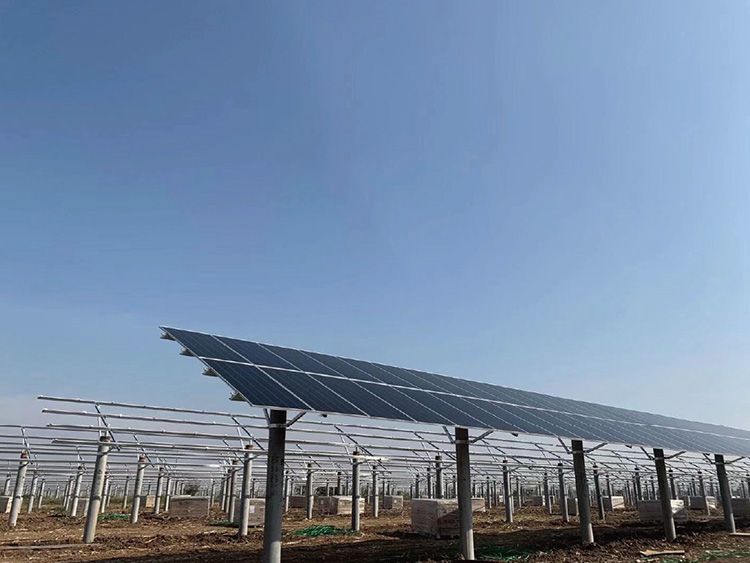
Joining two extension leads together is unsafe. This practice increases the risk of overheating, overloading, and even fires. You might think it’s convenient, but it compromises safety. Instead, explore safer options, like using a Solar Extension cable for outdoor needs, to avoid these hazards and protect your home.
Key Takeaways
- Connecting two extension cords is not safe. It can cause overheating and even fires. Use one good-quality extension cord instead.
- Check your extension cords often for any damage. Look for broken wires or burn spots. Replace damaged cords right away to stay safe.
- Think about safer choices like adding more outlets or using a longer cord. These options lower risks and give steady power.
Why Joining Two Extension Leads Together Is Unsafe


Overloading the Circuit
When you connect two extension leads, you increase the risk of overloading the circuit. Each lead has a maximum capacity for handling electrical devices. By joining them, you might exceed this limit without realizing it. Overloading happens when the total power demand from connected devices surpasses the extension lead's rating. This can cause the circuit breaker to trip or, worse, lead to electrical damage.
To avoid this, always check the wattage of your devices and ensure they stay within the extension lead's capacity. If you need to power multiple devices, consider installing additional outlets or using a single, high-quality extension lead designed for higher loads.
Risk of Overheating
Overheating is another major concern when joining extension leads. The longer the chain, the more resistance builds up in the wires. This resistance generates heat, which can damage the insulation and increase the risk of electrical fires.
You might think using low-power devices reduces this risk, but even small appliances can contribute to overheating when combined. Instead of daisy-chaining leads, opt for a solar extension cable for outdoor use or a longer lead that meets your needs. These alternatives minimize heat buildup and ensure safer operation.
Increased Fire Hazard
The combination of overloading and overheating significantly raises the chance of a fire. Damaged insulation and exposed wires can ignite nearby materials, especially in areas with poor ventilation. Fires caused by extension leads are preventable, but only if you use them correctly.
To protect your home, avoid connecting multiple leads. Inspect your cables regularly for signs of wear, such as frayed wires or melted plugs. If you notice any damage, replace the lead immediately. Prioritize safety by using proper equipment and avoiding risky practices.
Tripping and Physical Hazards
Joining extension leads doesn’t just pose electrical risks; it creates physical hazards too. Long chains of cables can clutter your space, increasing the likelihood of tripping accidents. These accidents can cause injuries and damage the leads themselves, further compromising safety.
Keep your living or working area organized by using a single, appropriately sized extension lead. If you need power in a distant location, consider installing additional outlets or using a longer cable. These solutions reduce clutter and make your environment safer for everyone.
Common Misconceptions About Extension Lead Safety
"It’s Fine If It’s Temporary"
You might think connecting two extension leads for a short time is harmless. This belief is common, but it’s risky. Even temporary use can lead to overheating or overloading, especially if you plug in high-power devices. Electrical issues don’t wait for long-term use to occur—they can happen in minutes.
Tip: Always plan ahead. If you need extra reach, invest in a longer, high-quality extension lead instead of joining two together. This small step can prevent big problems.
"Using Surge Protectors Makes It Safe"
Surge protectors are designed to shield your devices from power spikes, not to make daisy-chaining extension leads safe. When you connect multiple leads, the risk of overloading remains. Surge protectors won’t stop overheating or reduce the fire hazard caused by excessive power draw.
- Fact: Surge protectors only address voltage surges. They don’t change the load capacity of your extension leads.
Instead of relying on a surge protector, focus on using a single extension lead that meets your power needs. This approach ensures both safety and efficiency.
"Low-Power Devices Don’t Cause Issues"
It’s easy to assume that low-power devices, like phone chargers or lamps, won’t create problems. However, the combined load of multiple devices can still exceed the extension lead’s capacity. Over time, even small loads can cause wear and tear on the cables, increasing the risk of failure.
Note: Always check the wattage of all connected devices. Even low-power items add up. Stick to a single lead to avoid unnecessary risks.
Safe Practices for Using Extension Leads

Choose the Right Extension Lead for Your Needs
Selecting the correct extension lead is essential for safety. You should consider the type of devices you plan to connect and their power requirements. Extension leads come in various lengths and capacities, so choose one that matches your needs. For outdoor use, a solar extension cable can be a great option. It provides reliable power while reducing risks associated with traditional leads.
Tip: Always check the specifications on the packaging. Look for details like maximum wattage and whether the lead is suitable for indoor or outdoor use.
Avoid Daisy-Chaining Extension Leads
Daisy-chaining, or connecting multiple extension leads together, is a dangerous practice. It increases the risk of overloading and overheating. Instead of joining leads, use a single, longer extension lead that can reach your desired location. This reduces electrical resistance and minimizes hazards.
- Why avoid daisy-chaining?
- It creates physical clutter, increasing tripping risks.
- It compromises the efficiency of your electrical setup.
Check the Wattage and Load Capacity
Every extension lead has a maximum load capacity. You should calculate the total wattage of all connected devices and ensure it stays within the lead’s limit. Overloading can damage your devices and create fire hazards.
| Device | Average Wattage |
|---|---|
| Phone Charger | 5-10 watts |
| Laptop Charger | 50-100 watts |
| Space Heater | 1500 watts |
Note: If you’re unsure about the wattage of a device, check its label or user manual.
Inspect Extension Leads for Damage
Damaged extension leads are a major safety risk. Frayed wires, cracked insulation, or bent plugs can lead to electrical shocks or fires. You should inspect your leads regularly and replace any that show signs of wear.
- Signs of damage to look for:
- Exposed wires
- Burn marks or melted areas
- Loose connections
Reminder: Never use tape to fix damaged leads. Replace them with new ones to ensure safety.
Use Extension Leads Only as a Temporary Solution
Extension leads are not designed for permanent use. You should use them sparingly and only when necessary. For long-term needs, consider installing additional outlets or using a solar extension cable for outdoor applications. This approach ensures a safer and more reliable power supply.
Fact: Prolonged use of extension leads can strain your electrical system and increase the risk of accidents.
Alternatives to Joining Extension Leads
Use a Longer, High-Quality Extension Lead
A longer, high-quality extension lead is one of the simplest solutions. It eliminates the need to connect multiple leads, reducing risks like overheating and overloading. When choosing a lead, look for one with a durable design and sufficient length to meet your needs. For outdoor use, consider leads specifically designed for weather resistance. This ensures safety and reliability in all conditions.
Tip: Always check the wattage rating on the packaging to ensure the lead can handle your devices.
Install Additional Power Outlets
Installing extra power outlets is a permanent and safe alternative. This option works well for areas where you frequently need power but lack enough outlets. Hiring a licensed electrician ensures the installation meets safety standards. Although this solution requires an upfront cost, it eliminates the need for extension leads altogether.
Use a Power Strip with Adequate Capacity
A power strip offers a safer way to connect multiple devices. Unlike daisy-chaining extension leads, a power strip consolidates your connections into one unit. Choose a strip with surge protection to safeguard your devices from power spikes. Always check the strip’s load capacity to avoid overloading it.
Consider a Solar Extension Cable for Outdoor Use
For outdoor applications, a solar extension cable is an excellent choice. It provides a reliable power source while minimizing risks associated with traditional extension leads. These cables are designed to handle outdoor conditions, making them ideal for powering garden tools or outdoor lighting. By using a solar extension cable, you reduce the chance of overheating and ensure a safer setup.
Note: Solar extension cables are eco-friendly and durable, making them a smart investment for outdoor power needs.
Joining two extension leads together creates serious risks, including overheating and overloading. These dangers can lead to electrical fires or damage to your devices.
To stay safe:
- Use a single, high-quality extension lead.
- Avoid daisy-chaining cables.
- Inspect your leads regularly for damage.
Tip: Prioritize safety by exploring alternatives like longer cables or installing additional outlets. These options provide a safer and more reliable power solution.
FAQ
Can you use extension leads for high-power devices like heaters?
Avoid using extension leads for high-power devices. They can overload the lead, causing overheating and increasing fire risks. Use a dedicated outlet instead.
How often should you inspect extension leads for damage?
Inspect extension leads monthly. Look for frayed wires, burn marks, or loose plugs. Replace damaged leads immediately to prevent electrical hazards.
Are outdoor extension leads safer than indoor ones?
Outdoor leads are safer for external use. They resist weather conditions and reduce risks like water damage. Always check their specifications before use. 🌦️