

 Send Email
 Whatsapp


how long can a solar extension cable be
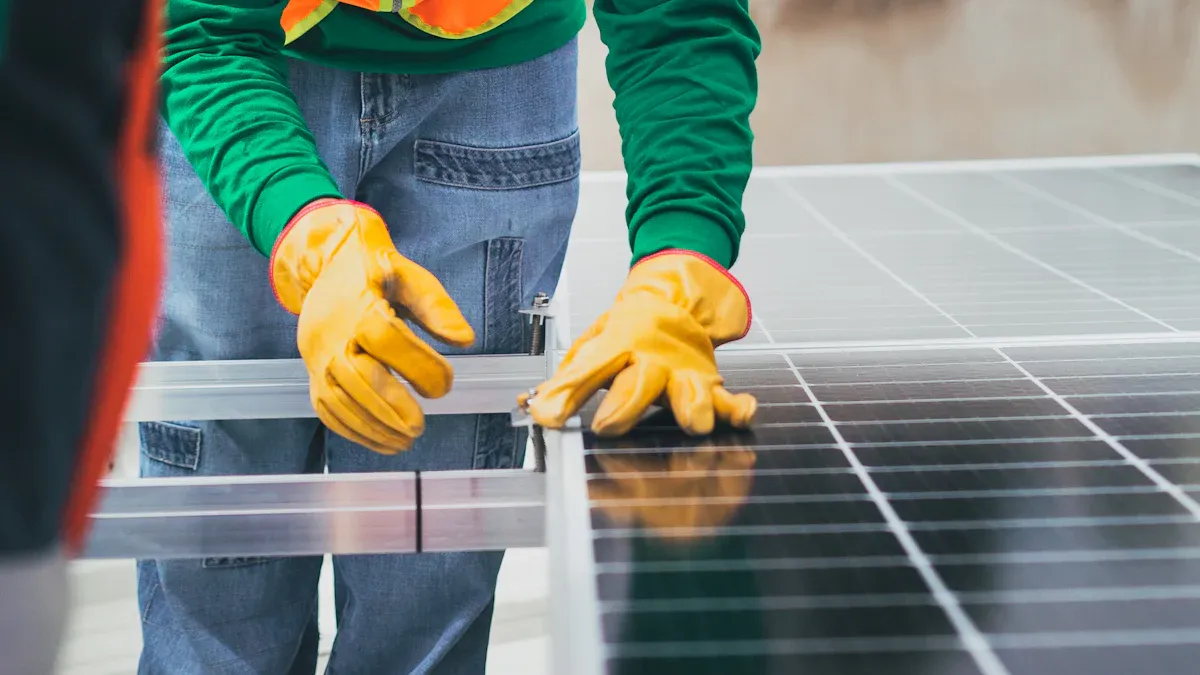
- You should keep most Solar Extension cables under 50 feet for home use.
- Longer cables can lead to power loss and safety risks.
Choosing the right Solar Cable makes your system safer and more efficient.
- Always check the cable gauge and system size before installation.
Key Takeaways
- Keep solar extension cables under 50 feet to reduce power loss and avoid safety risks.
- Use the right cable thickness (gauge) based on your system’s size and cable length to prevent overheating and voltage drop.
- Always choose outdoor-rated cables and follow safety guidelines to protect your home and get the best solar power performance.
Why Solar Cable Length Matters
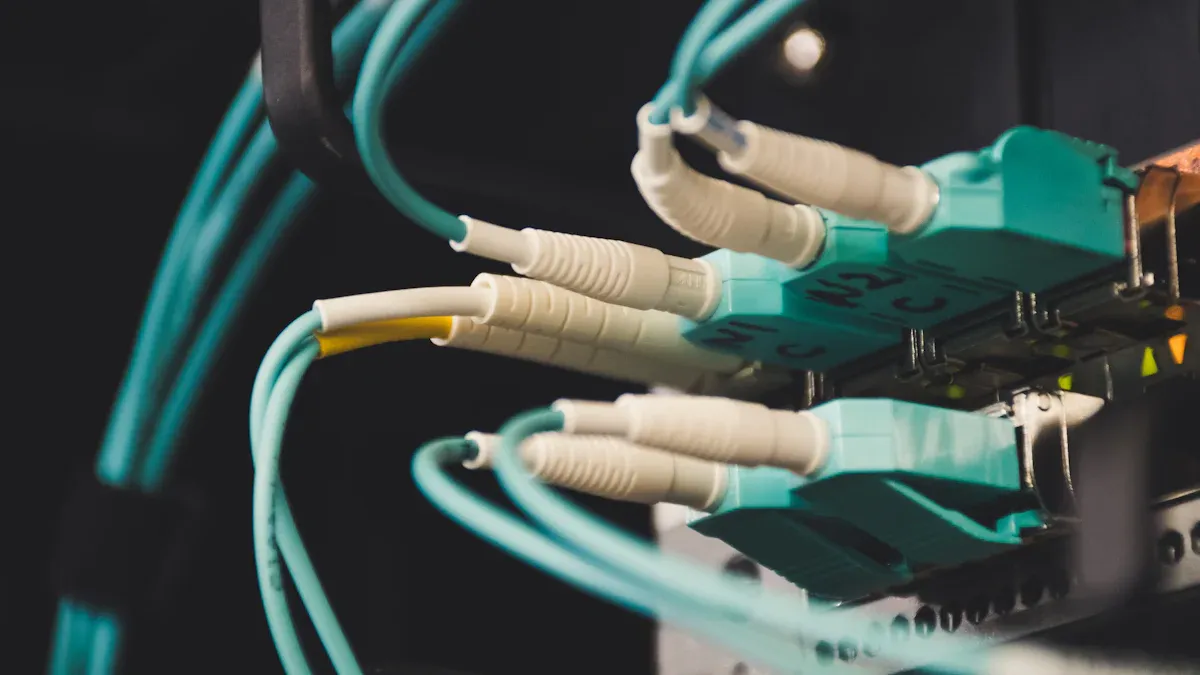
Voltage Drop and Power Loss
When you use a long solar cable, electricity must travel a greater distance from your solar panels to your inverter or battery. As the electricity moves through the cable, some of it gets lost as heat. This loss is called voltage drop. If the voltage drop becomes too high, your solar system will not work as well as it should.
You can think of voltage drop like water flowing through a long hose. The longer the hose, the less water comes out at the end. In the same way, the longer your solar cable, the less power reaches your home.
Tip: Keep your solar cable as short as possible to reduce voltage drop and get the most energy from your solar panels.
A high voltage drop can cause your system to lose a lot of power. Even a small loss can add up over time. If you use a cable that is too thin or too long, you might lose more than 5% of your solar power before it even reaches your appliances.
Safety Concerns with Long Solar Cables
Long solar cables do not just waste energy. They can also create safety problems. When electricity travels through a long cable, the cable can get hot. If the cable is not thick enough, it might overheat. Overheated cables can melt or even start a fire.
You must always use the right size cable for your system. If you use a cable that is too small for the distance, you put your home at risk. Here are some common safety issues with long solar cables:
- Overheating wires
- Damaged insulation
- Increased risk of electrical fires
- Tripped circuit breakers
Note: Always check the cable gauge and length before installing your solar system. Using the correct solar cable keeps your home safe and your system running smoothly.
Choosing the Right Solar Cable Length and Gauge
Recommended Maximum Lengths by Gauge
You need to choose the right cable gauge for your solar system. The gauge tells you how thick the wire is. Thicker wires can carry more electricity over longer distances without losing much power. If you use a thin wire for a long distance, you will lose more energy.
Here are some common cable gauges and their recommended maximum lengths for a typical 12-volt solar system:
| Cable Gauge (AWG) | Maximum Length (feet) for 10A | Maximum Length (feet) for 20A |
|---|---|---|
| 10 | 15 | 7 |
| 8 | 23 | 11 |
| 6 | 37 | 18 |
Tip: Always check the current (amps) your system uses before picking a cable gauge.
If you plan to run your solar cable farther than these lengths, you should use a thicker wire. This helps keep your system safe and efficient.
Matching Solar Cable Gauge to Length and System Size
You must match the cable gauge to both the length of the run and the size of your solar system. Larger systems send more electricity through the wires. Longer runs increase the chance of voltage drop. You can use these steps to find the right cable:
- Measure the distance from your solar panels to your inverter or battery.
- Find out how much current (in amps) your system produces.
- Use a cable gauge chart to pick the right wire size.
If you use a cable that is too thin, you risk overheating and power loss. If you use a cable that is too thick, you may spend more money than needed. The right balance keeps your system safe and saves you money.
Note: Always use cables rated for outdoor use if you install them outside. Weather can damage regular wires.
Simple Guidelines and Chart
You can follow a few simple rules to make your solar installation easier:
- Keep your solar cable as short as possible.
- Use thicker cables for longer distances or higher power systems.
- Check the manufacturer’s recommendations for your equipment.
- Never use a cable thinner than 10 AWG for most home solar setups.
Here is a quick reference chart for 12V systems (for a 3% voltage drop):
| Distance (feet) | Minimum Cable Gauge (AWG) for 10A |
|---|---|
| 10 | 12 |
| 20 | 10 |
| 30 | 8 |
| 40 | 6 |
⚡ Remember: Shorter and thicker cables help you get the most power from your solar panels.
Practical Tips for Solar Cable Installation
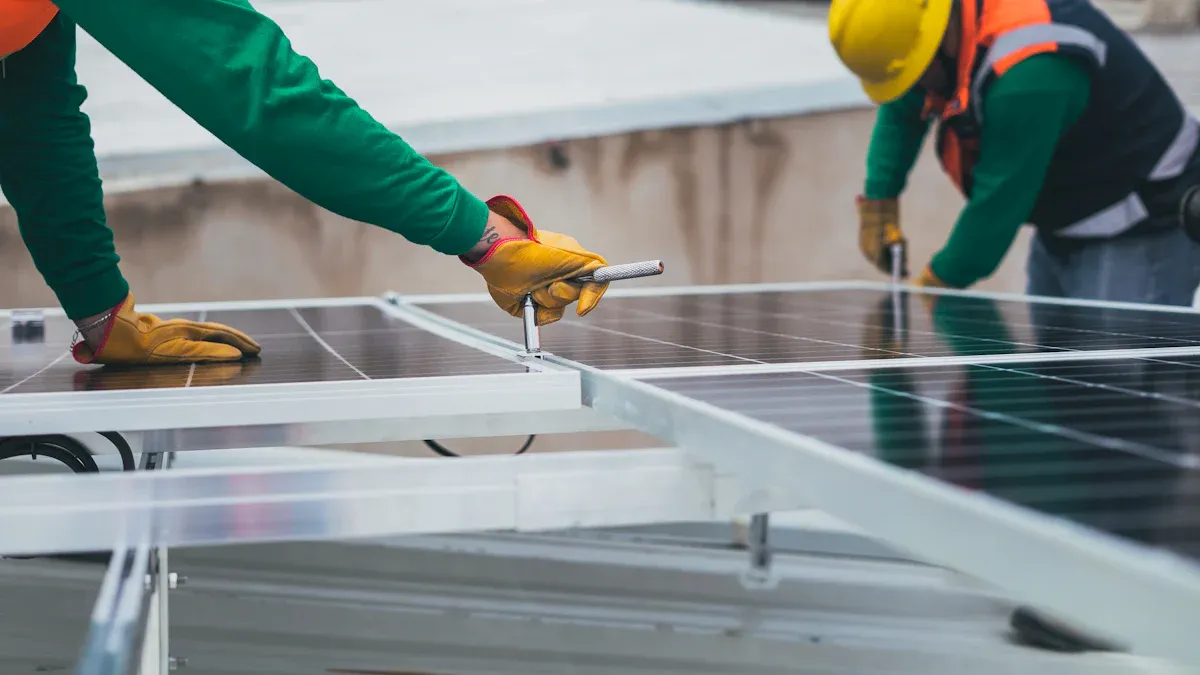
How to Minimize Power Loss
You can keep your solar system working well by reducing power loss. Start by choosing the shortest route for your solar cable. Place your solar panels as close as possible to your inverter or battery. Use the thickest cable that fits your budget and system needs. Thicker cables carry electricity better and lose less power.
Check all connections before you finish your installation. Tight connections help electricity flow smoothly. Loose or corroded connections waste energy and can cause problems. You should also keep cables away from sharp edges and direct sunlight. Sunlight and rough surfaces can damage the cable over time.
⚡ Tip: Always use cables rated for outdoor use. These cables last longer and protect your system from weather.
Common Mistakes to Avoid
Many people make simple mistakes when installing solar cables. You can avoid trouble by watching out for these errors:
- Using a cable that is too thin for the distance or system size
- Running cables near sources of heat or sharp objects
- Leaving connections loose or exposed to water
- Ignoring the manufacturer’s instructions for cable type and installation
If you avoid these mistakes, you keep your solar system safe and efficient. Always double-check your work before you turn on the system.
🚫 Note: Never guess the cable size. Use a chart or ask a professional if you are unsure.
You should keep cables as short as possible and always use the correct gauge for your system. Follow safety guidelines to protect your home and get the best performance. If your setup is large or complex, ask a professional for help.
Safety and efficiency start with smart choices.
FAQ
How do you calculate the right solar cable length?
You measure the distance from your solar panels to your inverter or battery. Use a cable gauge chart to pick the correct wire size for that length.
Can you connect two solar extension cables together?
You can connect two cables, but you increase voltage drop and power loss. Always use the fewest connections and the shortest cable possible.
What happens if you use the wrong cable gauge?
You risk overheating, power loss, or even fire. Always choose the correct gauge for your system’s size and cable length.