
 Send Email
 Whatsapp


How to Choose High-Quality Photovoltaic Extension Cables for Your Solar Projects
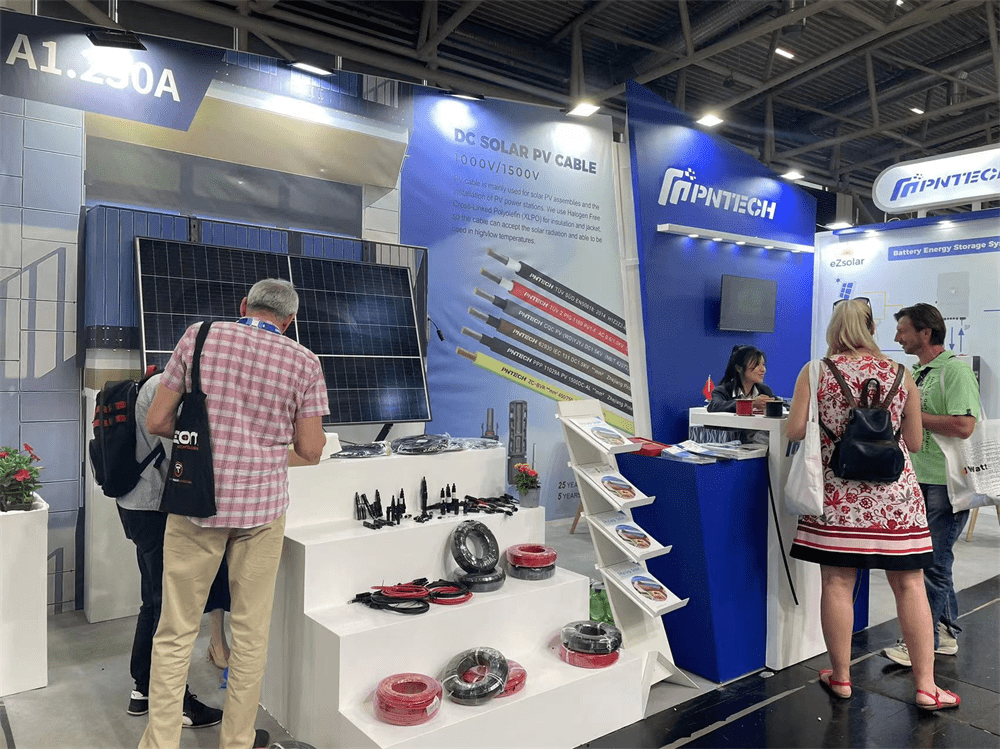
High-quality photovoltaic extension cables are essential for your solar project's success, ensuring every watt counts. You need them for optimal performance, safety, and longevity of your solar system. Technical specifications, certifications, and practical considerations will guide your selection of the right Solar Extension cable.
Key Takeaways
- Choose Solar Cables with UL or TUV certifications. These marks mean the cables are safe and work well.
- Pick copper cables that are stranded. They carry power best and bend without breaking.
- Match the cable size to your solar system. This stops power loss and keeps your system working great.
Understanding Essential Specifications for Solar Extension Cable Quality

Choosing the right photovoltaic extension cable means you understand its core specifications. These details directly impact how well your solar system performs. They also affect its safety and how long it lasts.
Key Industry Standards and Certifications
You must always look for specific industry standards and certifications. These marks show that a cable meets strict safety and performance rules. For example, certifications like UL (Underwriters Laboratories) and TUV (Technischer Überwachungsverein) are crucial. They confirm the cable has passed rigorous tests for electrical safety, fire resistance, and environmental durability. IEC (International Electrotechnical Commission) standards also provide a global benchmark for quality. When you see these certifications, you know the cable is reliable. You protect your investment and ensure your system operates safely.
Conductor Material and Construction
The conductor material inside your solar extension cable is vital. Copper is the best choice for solar applications. It offers excellent electrical conductivity. This means it carries current with minimal energy loss. Copper also resists corrosion well, which is important for outdoor use. You will find conductors in two main forms: solid or stranded. Stranded copper wires are superior for solar installations. They offer greater flexibility, making installation easier. They also resist fatigue from bending or movement better than solid wires. This durability is key for cables exposed to weather or physical stress.
Insulation and Sheath Material Durability
The materials used for insulation and the outer sheath protect your cable. Insulation electrically isolates the conductor. The sheath provides physical protection from the environment. You need materials that can withstand harsh outdoor conditions. Cross-linked polyethylene (XLPE) is a common and excellent choice for insulation. It offers high temperature resistance and good electrical properties. For the outer sheath, materials like XLPE, PVC (Polyvinyl Chloride), or TPE (Thermoplastic Elastomer) are used. Look for sheaths that resist UV radiation, ozone, abrasion, and chemicals. A durable sheath prevents cracking and degradation over time. This ensures the long-term integrity of your solar extension cable.
Correct Cable Sizing to Prevent Voltage Drop
Proper cable sizing is critical. It directly impacts your system's efficiency. Voltage drop occurs when a cable is too thin or too long for the current it carries. This loss of voltage means less power reaches your inverter. You waste valuable energy. To prevent this, you must calculate the correct cable size. Consider the current your solar panels produce, the length of the cable run, and the system voltage. Using a cable that is slightly larger than strictly necessary can even improve efficiency. It also provides a buffer for future system upgrades. Always consult voltage drop tables or use online calculators. This ensures you select the optimal size for your specific solar setup.

Ensuring Safety and Longevity of Your Solar Extension Cable

Temperature and Weather Resistance Ratings
You must choose cables that handle extreme temperatures. Solar installations face harsh outdoor conditions. Your cables will endure scorching summers and freezing winters. Look for cables with a wide operating temperature range. This ensures they perform reliably in any climate. High temperatures can degrade insulation. Low temperatures can make cables brittle. Weather resistance is also crucial. Your cables must withstand rain, snow, and humidity. Water ingress causes short circuits and corrosion. Select cables designed for continuous outdoor exposure. This protects your system from environmental damage.
Fire Safety Performance and Ratings
Fire safety is a top priority for your solar project. Electrical fires pose serious risks. You need cables that resist fire spread. Look for specific fire safety ratings. These ratings indicate how a cable behaves during a fire. Some cables are low smoke, zero halogen (LSZH). These cables release minimal smoke and no toxic gases when they burn. This protects people and property. Always choose cables that meet strict fire performance standards. This reduces fire hazards in your installation.
UV and Ozone Resistance for Outdoor Use
Outdoor cables constantly face ultraviolet (UV) radiation. They also encounter ozone from the atmosphere. Both elements severely damage standard cables. UV rays cause insulation to crack and become brittle. Ozone accelerates this degradation process. This shortens the lifespan of your cables. You must select cables specifically designed for UV and ozone resistance. These cables have special additives in their outer sheath. They maintain their integrity over many years. This ensures your solar extension cable remains durable. It protects your investment from environmental wear.
Single-Core vs. Twin-Core Cable Applications
You will choose between single-core and twin-core cables. Each type suits different parts of your solar system. Single-core cables have one conductor. You often use them for connecting individual solar panels. They offer flexibility for complex wiring layouts. Twin-core cables contain two conductors within one outer sheath. They are ideal for longer runs or when you need a neat, protected pair of wires. Twin-core cables simplify installation. They also provide extra mechanical protection. Consider your specific wiring needs. This helps you decide which solar extension cable type is best for each application.
Practical Considerations for Selecting Your Solar Extension Cable

Assessing the Installation Environment
You must carefully assess your installation environment. Consider the specific conditions your cables will face daily. Will they be in direct sunlight all day, leading to high temperatures? Are extreme cold temperatures common in your area during winter? Think about potential physical damage from foot traffic, falling debris, or even curious animals. Moisture, dust, and corrosive elements like salt spray near coastal areas also impact cable longevity. Knowing these factors helps you choose a solar extension cable with the right protective features. This ensures your system performs well for many years without unexpected issues.
Avoiding Common Cable Selection Mistakes
You can avoid common mistakes when you select cables. Do not choose cables based only on the lowest price. Cheap cables often lack the necessary durability and proper safety certifications. Ignoring industry certifications like UL or TUV is another critical error. These marks guarantee the cable meets strict safety and performance standards. Never undersize your cables; this leads to significant power loss due to voltage drop and reduces your system's efficiency. You must also remember UV and weather resistance. Cables without these features degrade quickly outdoors, leading to early failure.
Importance of Proper Cable Management
Proper cable management is crucial for your solar project's safety and efficiency. Secure your cables firmly to mounting structures. This prevents damage from strong winds, pests chewing on them, or accidental pulling during maintenance. Use appropriate conduits or cable trays in exposed areas. This adds an extra layer of physical protection against environmental stressors. Label all your cables clearly at both ends. This simplifies future maintenance, troubleshooting, or system expansions. Avoid sharp bends in the cables. Sharp bends can damage the internal conductors and insulation over time. Good management extends the life of your entire solar system.
You invest in high-quality photovoltaic extension cables. This ensures your solar system's long-term performance and safety. You make informed decisions. This guarantees the integrity and efficiency of your solar project for years to come.
FAQ
How long do high-quality solar cables last?
High-quality solar cables can last 20 to 30 years. They withstand harsh weather and UV rays. You get long-term performance from them.
Why are certifications like UL and TUV important?
Certifications like UL and TUV show cables meet strict safety rules. They confirm the cable passed tough tests. You ensure your system is safe and reliable.
Can I use regular electrical cables for my solar panels?
No, you should not use regular electrical cables. Solar cables have special insulation. They resist UV, ozone, and extreme temperatures. You need them for outdoor solar use.