
 Send Email
 Whatsapp


What is the life expectancy of solar cables?
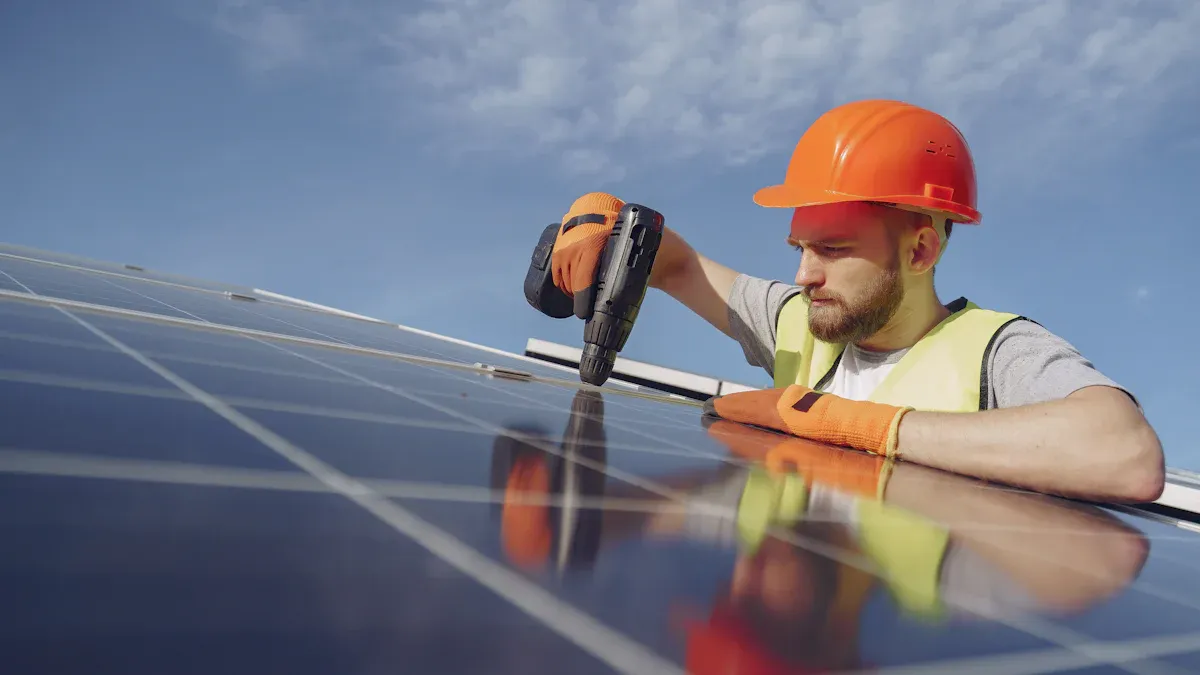
When you invest in a solar energy system, you expect it to last for decades. The same goes for the Solar Cable that connects your panels. These cables are built to endure harsh conditions, often lasting 25 to 30 years. Their lifespan depends on factors like material quality, weather exposure, and regular care.
Key Takeaways
- Solar cables usually last 25 to 30 years, based on quality and care.
- Buying good-quality solar cables can save money over time.
- Checking and maintaining cables often helps them last longer and work well.
Typical Lifespan of Solar Cables
Industry Standards for Solar Cable Longevity
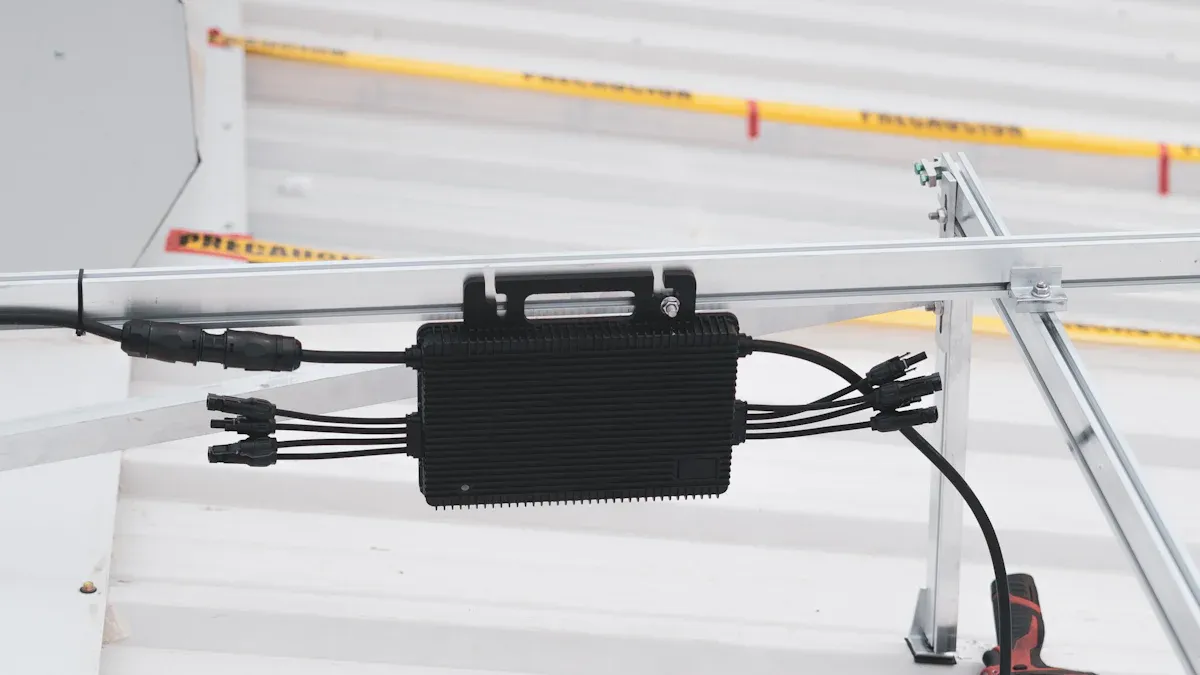
When you think about solar cables, you might wonder how long they actually last. Industry standards suggest that a solar cable should last between 25 to 30 years. This aligns with the lifespan of most solar panel systems. These standards ensure that the cables can withstand various environmental conditions. They are designed to resist UV rays, moisture, and temperature changes. This durability is crucial because solar cables are exposed to the elements every day.
Variations in Lifespan Based on Quality
Not all solar cables are created equal. The quality of the materials used in a solar cable can significantly affect its lifespan. High-quality cables often use better insulation and more robust materials. This means they can handle harsh weather conditions more effectively. On the other hand, lower-quality cables might not last as long. They could degrade faster, especially if exposed to extreme weather. So, when you're choosing solar cables, it's wise to invest in quality. It might cost more upfront, but it can save you money in the long run by reducing maintenance and replacement costs.
Tip: Always check the specifications and ratings of the solar cable before purchasing. This ensures you're getting a product that meets industry standards and suits your specific needs.
Factors Influencing Solar Cable Longevity
Material Quality and UV Resistance
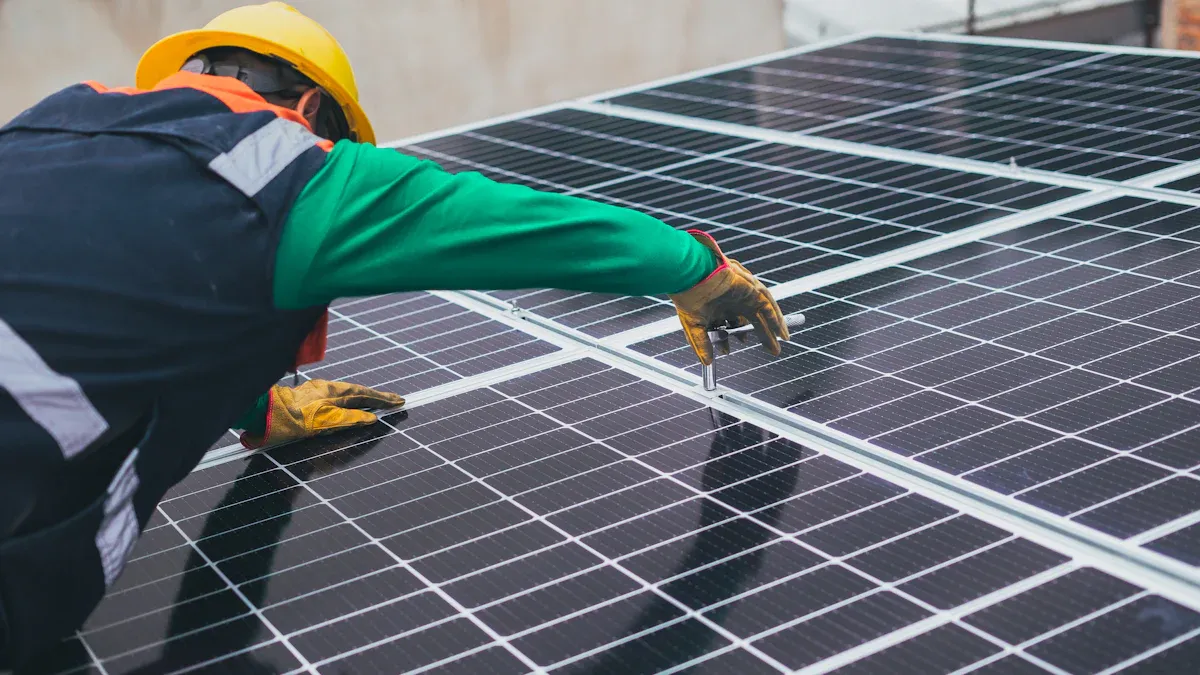
The materials used in a solar cable play a huge role in how long it lasts. High-quality cables are made with durable insulation that resists cracking and wear. They’re also designed to handle UV radiation, which can break down weaker materials over time. If your cables don’t have proper UV resistance, they might degrade faster, especially if they’re exposed to direct sunlight every day. When choosing cables, always look for ones labeled as UV-resistant. This small detail can make a big difference in their lifespan.
Environmental Conditions and Weather Exposure
Your local weather can have a big impact on your solar cable’s durability. Extreme heat, freezing temperatures, heavy rain, or snow can all take a toll. For example, cables in hot climates might face faster wear due to constant exposure to high temperatures. On the other hand, areas with frequent storms or high humidity can lead to moisture damage. To protect your cables, consider using protective conduits or covers, especially if you live in an area with harsh weather.
Installation Practices and System Design
How you install your solar cables matters just as much as the materials you choose. Poor installation can lead to unnecessary strain or exposure, which shortens their lifespan. For instance, cables that are too tight might wear out faster. Similarly, improper routing can leave them vulnerable to physical damage. Always hire a professional to ensure the cables are installed correctly and integrated seamlessly into your system design.
Maintenance and Regular Inspections
Even the Best Solar Cables need some care to stay in top shape. Regular inspections help you catch small issues before they become big problems. Look for signs of wear, like cracks or discoloration, and address them immediately. Cleaning the cables and ensuring they’re free from debris can also help. A little maintenance goes a long way in extending their life and keeping your solar energy system running smoothly.
Tips to Extend the Life of Solar Cables
Invest in High-Quality Solar Cables
When it comes to solar cables, quality matters. Choosing high-quality cables ensures they can handle tough conditions like extreme heat, cold, or UV exposure. These cables often come with better insulation and materials that resist wear and tear. While they might cost more upfront, they save you money in the long run by reducing the need for replacements. Always check for certifications or ratings that guarantee durability. This small step can make a big difference in the lifespan of your solar energy system.
Ensure Professional Installation
Proper installation is key to extending the life of your cables. A professional installer knows how to route and secure the cables to avoid unnecessary strain or exposure. They’ll also ensure the cables are compatible with your system. Poor installation can lead to issues like loose connections or physical damage. By hiring an expert, you can avoid these problems and keep your system running smoothly.
Protect Cables from Physical Damage
Physical damage is one of the most common reasons cables fail. You can prevent this by using protective conduits or covers. These shields keep the cables safe from animals, debris, or accidental impacts. If your cables are exposed, inspect them regularly for signs of wear. Taking these precautions helps you avoid costly repairs.
Schedule Routine Maintenance
Routine maintenance keeps your solar cables in top shape. Inspect them for cracks, discoloration, or other signs of damage. Clean the cables to remove dirt or debris that could cause wear over time. Regular check-ups help you catch small issues before they become big problems. A little effort goes a long way in ensuring your system lasts for decades.
Solar cables can last 25 to 30 years, but their lifespan depends on how well you care for them. Choosing durable materials and ensuring proper installation make a big difference. Regular maintenance keeps them in top shape.
Pro Tip: High-quality cables may cost more, but they ensure your solar system runs efficiently for decades. 🌞
FAQ
How do I know if my solar cables need replacement?
Look for signs like cracks, discoloration, or frayed insulation. If your system's performance drops, damaged cables might be the cause.
Can I replace solar cables myself?
It’s better to hire a professional. Incorrect installation can damage your system or void warranties. Safety should always come first.
Are all solar cables UV-resistant?
Not all are. Always check the product label for UV resistance. UV-resistant cables last longer, especially in sunny climates.
Tip: Regular inspections help you catch cable issues early, saving you time and money. 🌞