

 Send Email
 Whatsapp


Copper vs. Aluminum PV DC Cables: Which is Better for Your Project?
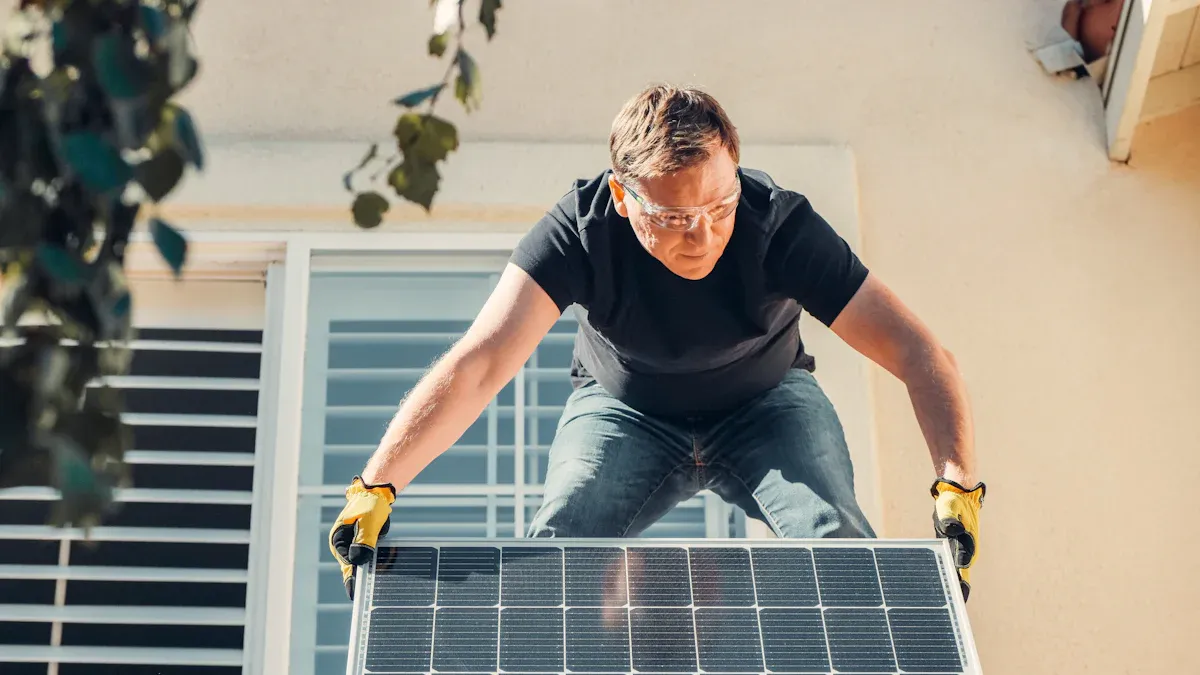
Selecting the ideal Solar Cable for your PV DC project means considering your specific priorities. There is no universally superior material. Instead, you will discover a "better fit" based on the unique demands of your project. Your choices directly impact performance and cost, ensuring an optimal outcome for your solar installation.
Key Takeaways
- Copper cables offer better electrical performance and durability, making them good for high efficiency and long-term reliability.
- Aluminum cables are lighter and cost less upfront, which is good for large projects where budget and weight are important.
- Your choice depends on your project's needs, balancing cost, performance, and how easy it is to install and maintain.
Electrical Performance of PV DC Solar Cables

Conductivity and Current Carrying Capacity
Copper excels in electrical conductivity. It allows electrons to flow with minimal resistance. This means a copper solar cable can carry a higher current for its physical size. Aluminum, however, has lower conductivity. You will need a larger cross-sectional area for an aluminum cable to carry the same amount of current as a smaller copper one. This fundamental difference directly impacts the overall size and weight of your cable runs.
Voltage Drop and Efficiency
All electrical conductors experience voltage drop. This is a natural loss of electrical potential over distance. Copper's superior conductivity results in significantly less resistance. This translates to less voltage drop across your PV system's wiring. Less voltage drop means more power reaches your inverter, leading to higher system efficiency. Aluminum cables have higher inherent resistance. This causes more voltage drop. You might experience greater power losses if you do not size aluminum cables correctly for your specific application.
Heat Resistance and Ampacity Ratings
Cables generate heat when electrical current passes through them. Ampacity refers to the maximum current a cable can safely carry without overheating. Copper handles heat much better than aluminum. It dissipates heat more effectively from its surface. This gives copper a higher ampacity rating for a given wire gauge. Aluminum does not dissipate heat as efficiently. It has a lower ampacity rating. You must use a larger aluminum solar cable to safely carry the same current as a copper cable. This prevents dangerous overheating and ensures the long-term safety and reliability of your solar installation.
Mechanical Properties and Installation Considerations
Weight and Handling for Solar Cable Runs
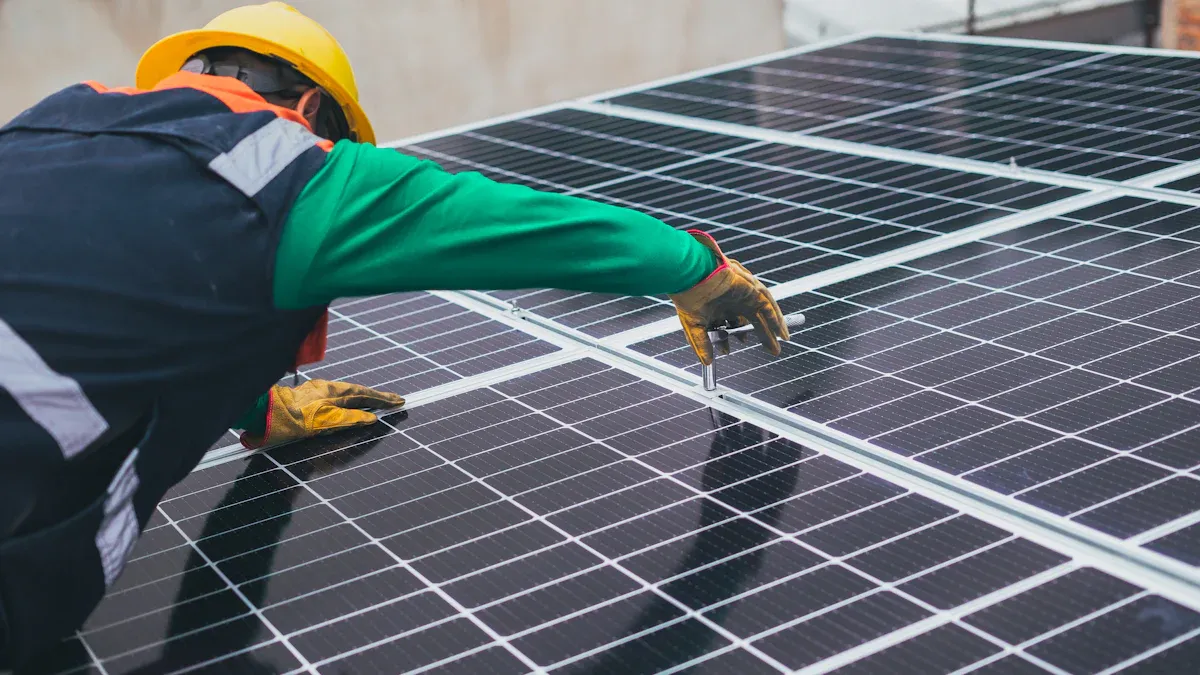
Copper is a dense material. This makes copper solar cable runs heavier. Aluminum is significantly lighter. You will find aluminum cables much easier to transport. They are also simpler to pull through conduits. This weight difference becomes very important for long cable runs. It also matters for large-scale rooftop installations. Lighter cables reduce the physical strain on installers. They can also simplify structural requirements for your project.
Flexibility and Bending Radius
Copper cables are generally more flexible. You can bend them into tighter spaces without damage. Aluminum cables are stiffer. They require a larger bending radius. Bending aluminum too sharply can damage the conductor inside. This can lead to future performance issues. Always consider your installation environment. Tight corners or crowded conduits might favor the flexibility of copper.
Strength, Durability, and Corrosion Resistance
Copper is a strong metal. It resists nicks and cuts well during handling. Aluminum is softer. It is more prone to damage during installation. Copper also offers excellent corrosion resistance. It forms a stable protective patina over time. Aluminum oxidizes when exposed to air. This oxide layer can increase resistance at connection points. You must use special connectors designed for aluminum. This prevents galvanic corrosion. Proper termination is crucial for aluminum solar cable's long-term reliability in your PV system.
Cost Analysis and Long-Term Value of Solar Cables
Initial Material Costs
Aluminum solar cable typically costs less than copper solar cable. You will find aluminum is a more affordable raw material. This difference can significantly impact your project's upfront budget. For large-scale installations, choosing aluminum can lead to substantial savings on materials. However, remember that material cost is only one part of the total expense.
Installation Labor and Time Savings
The weight of the cable affects installation labor. Aluminum cables are much lighter than copper cables. This makes them easier to transport and pull. You can save time and reduce labor costs, especially for long cable runs. Copper's flexibility can also save time. You can bend it more easily around obstacles. This might reduce the need for extra fittings or complex routing. Consider your specific site conditions when you evaluate labor savings.
Lifecycle Costs and Maintenance Implications
You must consider the long-term value of your solar cable choice. Copper cables generally offer lower lifecycle costs. They have excellent durability and require less maintenance. Aluminum cables can have higher maintenance needs. Their connections need careful attention. You must use proper connectors to prevent oxidation and resistance issues. These issues can lead to performance degradation over time. They can also increase future repair costs. An initial saving on aluminum might lead to higher expenses later.
Safety, Reliability, and Environmental Impact
Connection Integrity and Fire Safety
You must prioritize safety in your PV system. Copper offers superior connection integrity. It forms stable, low-resistance connections. This significantly reduces the risk of overheating and fire. Aluminum requires very careful handling. You must use specific connectors designed for aluminum. These specialized connectors prevent oxidation and galvanic corrosion. Improper connections with aluminum can lead to loose terminals. Loose terminals increase resistance. This creates dangerous hot spots and potential fire hazards. Always ensure correct installation practices for any aluminum solar cable.
Durability and Long-Term Reliability
Your choice of material impacts system longevity. Copper is very durable. It resists fatigue and corrosion effectively. This ensures reliable performance for many years. Aluminum is softer. It can be more prone to damage during installation. Aluminum also expands and contracts more with temperature changes. This thermal cycling can stress connections over time. You need proper installation techniques to maintain aluminum's long-term reliability. This includes using appropriate torque settings for all connections.
Environmental Footprint and Sustainability
Consider the environmental impact of your materials. Both copper and aluminum are mined resources. Both metals are also highly recyclable. Recycling significantly reduces the need for new mining. Aluminum's lighter weight means less fuel consumption during transport. This lowers its carbon footprint. Copper's higher conductivity means you use less material for the same current. This can also reduce its overall environmental impact. You weigh these factors for a sustainable project.
Deciding for Your PV DC Solar Cable Project
Scenarios Favoring Copper Solar Cables
You might choose copper for several reasons. Copper offers superior electrical performance. You get higher conductivity. This means less voltage drop. You send more power to your inverter. Copper also handles heat better. It has higher ampacity ratings. This is important for high-current applications. You can use smaller cables. This saves space. Copper is also more flexible. You can bend it easily. This helps in tight spaces. Copper is very durable. It resists corrosion well. You will have reliable connections. This reduces maintenance over time. Consider copper for long cable runs. Think about systems that need maximum efficiency. Choose copper for installations in challenging environments.
Scenarios Favoring Aluminum Solar Cables
Aluminum works well in other situations. You save money on initial material costs. Aluminum is much lighter. This makes it easier to transport. You pull it through conduits faster. This saves labor time. Aluminum is suitable for very large projects. Cost savings become significant here. You can use aluminum for long, straight runs. Flexibility is less important in these cases. Remember to use proper installation methods. You need special connectors for aluminum. This ensures safe and reliable connections. Aluminum is a practical choice when budget and weight are your main concerns.
Key Factors for Making Your Choice
You weigh several factors. Consider your project's budget first. How much can you spend on materials? Think about performance needs. Do you need maximum efficiency? How much voltage drop can you tolerate? Evaluate installation complexity. Are there tight spaces? How long are your cable runs? Consider long-term reliability. Do you want minimal maintenance? What are your safety priorities? Copper offers higher inherent safety. Aluminum requires more careful installation. Your specific project dictates the Best Solar Cable choice. There is no single answer. You balance cost, performance, and reliability. Make an informed decision. This ensures a successful PV system.
Your best solar cable choice is a strategic decision. You must balance many project factors. Prioritize your specific needs. Think about performance, budget, and how long it will last. An informed decision ensures an efficient, safe, and cost-effective PV system for you. 💡
FAQ
Can I mix copper and aluminum cables in my PV system?
No, you should not mix them directly. You need special bimetallic connectors. This prevents corrosion and ensures safe connections. ⚠️
Which cable is better for a small residential solar project?
Copper is often better for small residential projects. It offers higher efficiency and easier installation. You get long-term reliability.
Do aluminum cables require special tools for installation?
Yes, aluminum cables need special tools. You need specific connectors and anti-oxidant compounds. This ensures proper and safe termination.