

 Send Email
 Whatsapp


Copper vs. Aluminum Solar Cables: Which is Best for Your Project?
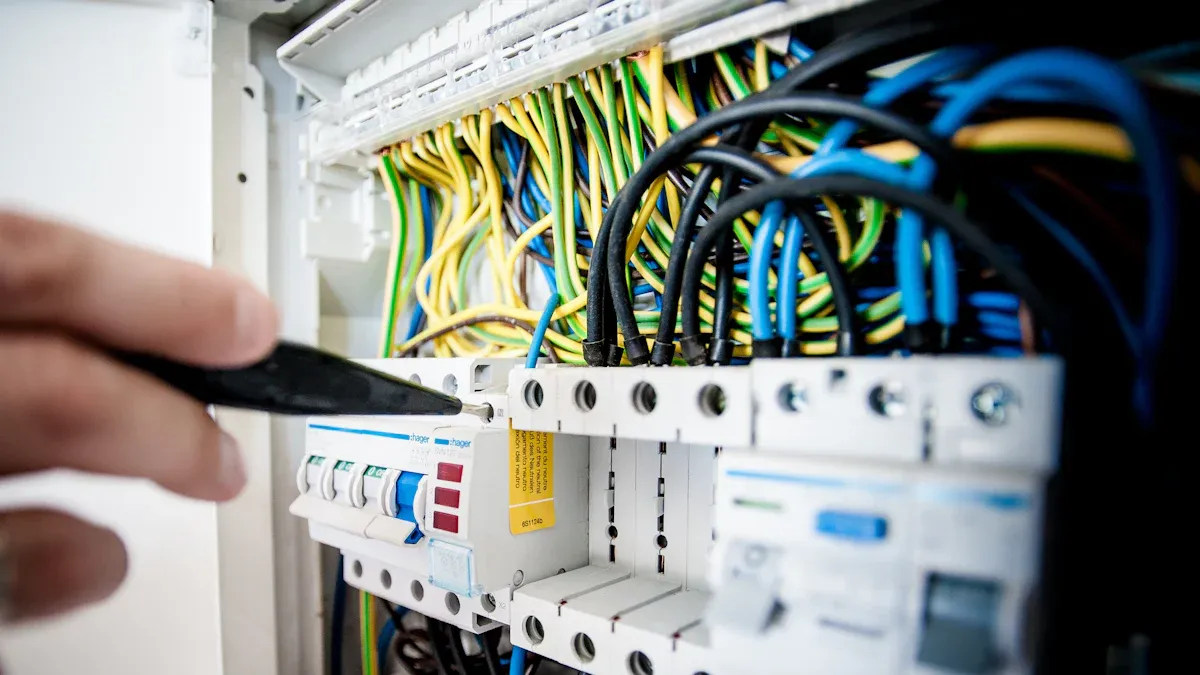
When choosing between copper and aluminum for your Solar Cable, copper often stands out as the better option. Its superior conductivity and durability make it a reliable choice for efficient energy transfer. You can trust copper to deliver optimal performance in your solar projects.
Key Takeaways
- Copper cables provide superior conductivity, leading to less energy loss and better performance in solar projects.
- Aluminum cables are lighter and easier to install, making them a budget-friendly option for short-term projects.
- Choosing copper cables can save money in the long run due to their durability and lower maintenance needs.
Performance Comparison of Solar Cables
Electrical Conductivity
When it comes to electrical conductivity, copper clearly outperforms aluminum. Copper has a conductivity rating of about 100% IACS (International Annealed Copper Standard), while aluminum only reaches around 61% IACS. This means that for the same cross-sectional area, copper can carry more current than aluminum.
-
Advantages of Copper:
- Higher current-carrying capacity.
- Less energy loss during transmission.
-
Advantages of Aluminum:
- Lighter weight, which can ease installation.
Choosing the right solar cable for your project can significantly impact efficiency. If you prioritize performance, copper is the better choice.
Heat Resistance
Heat resistance is another critical factor in the performance of solar cables. Copper has a higher melting point than aluminum, making it more suitable for high-temperature environments.
-
Copper:
- Melting point: 1,984°F (1,085°C).
-
Aluminum:
- Melting point: 1,221°F (660°C).
In hot climates or areas with high solar exposure, copper cables can withstand more heat without degrading. This durability can lead to longer-lasting installations.
Voltage Drop
Voltage drop refers to the reduction in voltage as electricity travels through a conductor. A lower voltage drop means more efficient energy transfer. Copper cables have a lower voltage drop compared to aluminum cables due to their superior conductivity.
- Voltage Drop Comparison:
- Copper: Lower voltage drop, better efficiency.
- Aluminum: Higher voltage drop, potential energy loss.
For solar projects, minimizing voltage drop is essential. Using copper solar cables can help you achieve better performance and efficiency in your system.
Mechanical Properties of Solar Cables

Weight and Flexibility
When you consider weight and flexibility, aluminum solar cables have a clear advantage. Aluminum is significantly lighter than copper. This lightweight nature makes installation easier, especially in large solar projects. You can handle aluminum cables with less effort, reducing fatigue during installation.
- Benefits of Aluminum:
- Easier to transport and install.
- More flexible, allowing for tighter bends.
Copper, while heavier, offers its own benefits. Its rigidity can provide stability in certain installations. If your project requires a more robust solution, copper may be the better choice.
Durability and Corrosion Resistance
Durability is crucial for solar cables. Copper excels in this area due to its resistance to corrosion. It can withstand harsh weather conditions without degrading. This longevity can lead to fewer replacements over time.
- Corrosion Resistance:
- Copper: Highly resistant to corrosion.
- Aluminum: Prone to oxidation, which can affect performance.
In coastal areas or regions with high humidity, copper cables often outperform aluminum. They maintain their integrity longer, ensuring reliable energy transfer.
Cost Analysis of Solar Cables
Initial Costs
When you start a solar project, the initial costs of solar cables can significantly impact your budget. Generally, copper cables cost more upfront than aluminum cables. Here’s a quick breakdown of the average costs:
-
Copper Solar Cables:
- Typically range from $2 to $4 per foot.
-
Aluminum Solar Cables:
- Usually range from $0.50 to $1.50 per foot.
While aluminum cables may seem like a more affordable option, consider the overall performance and reliability. You might save money initially, but you could face higher replacement costs down the line.
Long-term Value
Long-term value is crucial when evaluating solar cables. Although copper cables have a higher initial cost, they often provide better durability and efficiency. Here are some factors to consider:
- Lifespan: Copper cables can last 25 years or more, while aluminum cables may need replacement after 10 to 15 years.
- Maintenance: Copper requires less maintenance due to its corrosion resistance. This can save you time and money in the long run.
- Energy Efficiency: Copper's superior conductivity leads to lower energy losses. This efficiency can translate into savings on your energy bills over time.
Environmental Impact of Solar Cables
Recycling and Sustainability
When you consider the environmental impact of solar cables, recycling plays a vital role. Both copper and aluminum cables can be recycled, but they have different processes and benefits.
-
Copper Cables:
- Highly recyclable with a well-established market.
- Recycling copper saves about 85% of the energy needed to produce new copper.
-
Aluminum Cables:
- Also recyclable, but the process can be less efficient.
- Recycling aluminum saves around 90% of the energy compared to producing new aluminum.
Choosing a solar cable that is easy to recycle can help reduce waste and conserve resources. You contribute to a more sustainable future by selecting materials that can be reused.
Energy Efficiency
Energy efficiency is another critical factor when evaluating solar cables. Copper cables excel in this area due to their superior conductivity. They minimize energy loss during transmission, which means your solar system operates more efficiently.
- Benefits of Using Copper:
- Lower energy losses lead to higher overall system performance.
- More efficient energy transfer can result in lower electricity bills.
By opting for high-quality solar cables, you enhance the energy efficiency of your solar installation. This choice not only benefits your wallet but also supports a greener planet.
Safety Considerations for Solar Cables
Fire Resistance
When selecting solar cables, fire resistance is a crucial factor. You want cables that can withstand high temperatures without igniting. Copper cables generally offer better fire resistance than aluminum cables. Here are some key points to consider:
-
Copper Cables:
- Have a higher melting point.
- Are less likely to catch fire under extreme conditions.
-
Aluminum Cables:
- Can melt at lower temperatures.
- May pose a higher risk in case of overheating.
Always check the fire ratings of the cables you choose. This ensures that your solar installation remains safe and compliant with local regulations.
Installation Safety
Proper installation of solar cables is vital for safety. You should follow best practices to minimize risks during installation. Here are some tips to keep in mind:
- Use Personal Protective Equipment (PPE): Always wear gloves and safety glasses when handling cables.
- Follow Manufacturer Guidelines: Each cable type has specific installation instructions. Adhering to these guidelines ensures safety and performance.
- Check for Damage: Inspect cables for any signs of wear or damage before installation. Damaged cables can lead to electrical hazards.
- Secure Connections: Ensure all connections are tight and secure. Loose connections can cause overheating and increase fire risk.
By prioritizing safety during installation, you protect yourself and your solar investment. Remember, a safe installation leads to a more reliable solar energy system.
In summary, copper cables offer superior conductivity, heat resistance, and durability. Aluminum cables are lighter and more flexible but may require more frequent replacements.
Recommendation:
- Choose copper for long-term projects and high efficiency.
- Opt for aluminum if you need a budget-friendly option and easier installation.
Your choice depends on your specific project needs and budget constraints.
FAQ
What is the main difference between copper and aluminum solar cables?
Copper cables offer better conductivity and durability, while aluminum cables are lighter and more flexible.
How do I choose the right solar cable for my project?
Consider your project's budget, installation environment, and long-term performance needs when selecting between copper and aluminum cables.
Can I use aluminum cables in high-temperature areas?
Yes, but copper cables perform better in high-temperature environments due to their higher melting point and heat resistance.