

 Send Email
 Whatsapp


PV Cable Lifespan: How Long Should Solar Wiring Last?
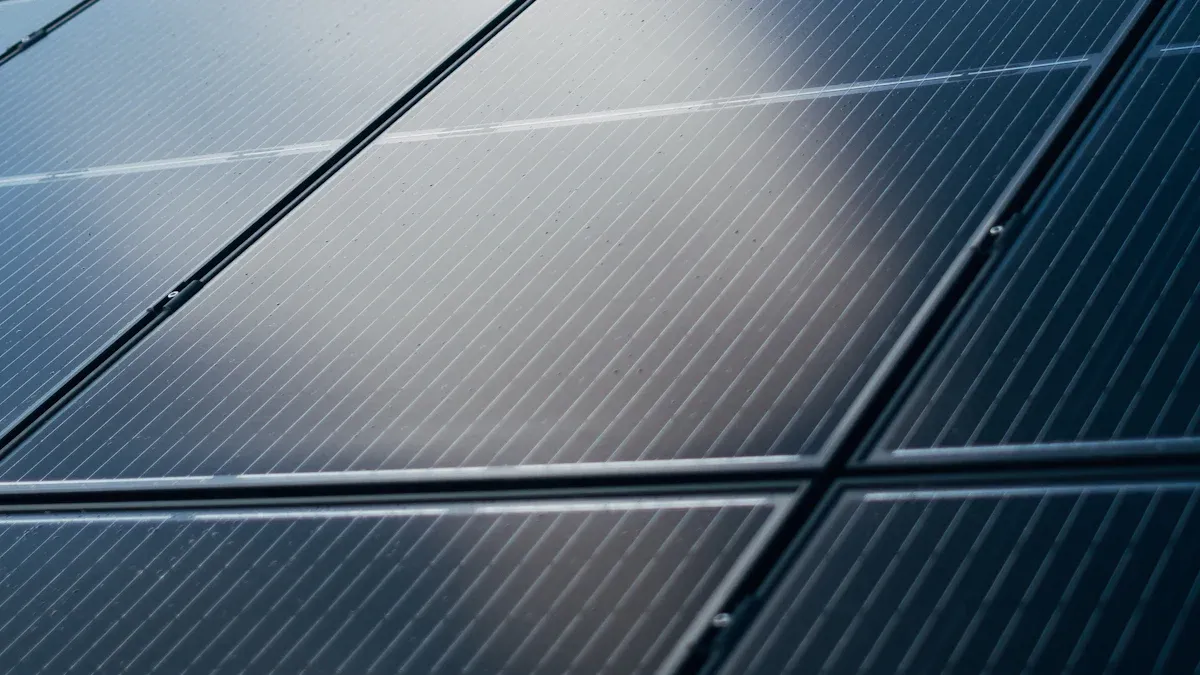
Your solar system relies on its wiring. A high-quality Solar Cable is crucial for consistent performance. Manufacturers design these specific PV cables to last 25 to 30 years. You expect this long lifespan from your investment. This ensures your energy production continues reliably.

Key Takeaways
- Good solar cables last 25 to 30 years. They need strong materials that resist sun, heat, and water.
- Install cables correctly. Protect them from animals and sharp edges. This helps them last longer.
- Check your cables every year. Look for damage. Replace old cables when needed to keep your solar system working well.
Factors Influencing Solar Cable Lifespan

Many elements determine how long your solar wiring lasts. Understanding these factors helps you choose the right products and maintain your system effectively.
Material Quality and UV Resistance

The materials used in your solar cable are very important. High-quality insulation and jacketing protect the internal conductors. Sunlight contains ultraviolet (UV) rays. These rays can break down plastics over time. You need cables made from UV-resistant materials. These materials prevent cracking, brittleness, and color fading. For example, cross-linked polyethylene (XLPE) or thermoplastic elastomer (TPE) are common choices. They offer excellent protection against sun damage. Poor quality materials degrade quickly. This exposes the conductors and shortens the cable's life.
Thermal Performance of Solar Cable
Solar cables operate in various temperatures. They can get hot from carrying electricity and from direct sunlight. High temperatures accelerate material degradation. You need cables designed to withstand the maximum temperatures they will experience. Manufacturers rate cables for specific temperature ranges. Always choose cables with a high-temperature rating suitable for your climate. Proper cable sizing also prevents overheating. Thicker cables carry more current with less heat buildup. This keeps your system running cooler and extends its lifespan.
Water and Fire Resistance
Water poses a significant threat to electrical systems. Moisture can enter damaged insulation. This causes corrosion and short circuits. You need cables with waterproof jackets. These jackets prevent water ingress. Fire resistance is also critical for safety. Good solar cables have flame-retardant properties. They resist ignition and do not spread flames easily. Some cables use low smoke zero halogen (LSZH) materials. These materials release less toxic smoke in a fire. This protects your property and the environment.
Mechanical Durability of Solar Cable
Your solar cables face physical stress. Installation involves bending and pulling. Animals like rodents can chew on them. Wind and other environmental factors can cause abrasion. You need cables with strong outer jackets. These jackets resist cuts, abrasions, and impacts. They protect the internal wires from physical damage. Robust mechanical durability ensures your cables remain intact. This prevents costly repairs and maintains system performance.
Common Issues Shortening PV Cable Life
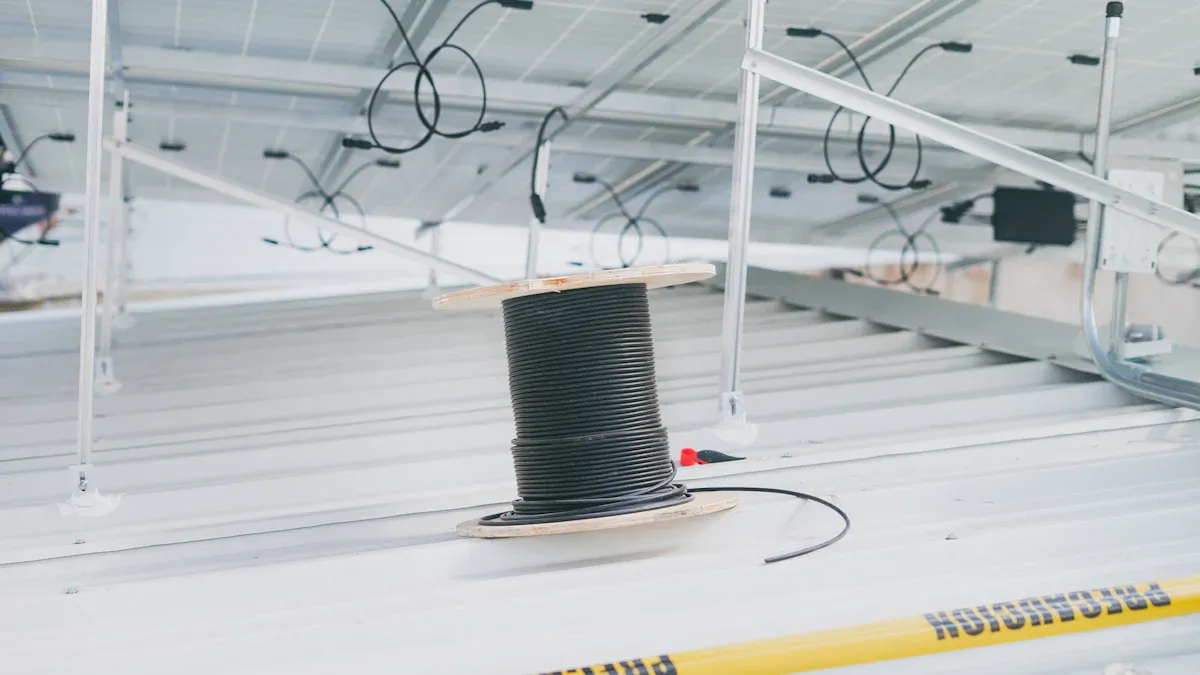
Even with high-quality materials, certain problems can shorten your solar wiring's life. You should know these issues. This helps you protect your investment.
Degradation from Environmental Exposure
Your solar cables face harsh conditions daily. Sunlight's UV rays break down insulation over time. Extreme heat makes materials brittle. Cold temperatures can cause cracking. Moisture from rain or humidity seeps into small openings. This leads to corrosion inside the cable. Pollutants in the air also contribute to material breakdown. You must protect your cables from these elements.
Inadequate Installation Practices
Poor installation significantly reduces cable lifespan. You might bend cables too sharply. This creates stress points. You could leave cables unsupported. Wind then causes constant movement and abrasion. Loose connections generate heat. This damages the cable ends. Improperly sealed conduits allow water entry. These mistakes compromise the integrity of your solar cable from day one.
Overheating and Electrical Stress
Cables can overheat for several reasons. You might use cables that are too thin for the current. This causes resistance and heat. Poor connections also create hot spots. Overcurrents or electrical surges stress the insulation. This accelerates material degradation. High temperatures reduce the cable's ability to carry current safely. This shortens its useful life.
Physical Damage to Solar Cable
External forces can damage your cables. Animals, like rodents, chew through insulation. Falling debris or tools can cut them. Foot traffic or heavy equipment can crush cables. Sharp edges on mounting structures abrade the outer jacket. You must protect your cables from these physical threats. This prevents costly repairs and system downtime.
Maximizing Solar Cable Longevity
You want your solar power system to perform well for decades. Proper care and smart choices extend the life of your solar wiring. You can take several steps to ensure your PV cables last as long as possible.
Regular Inspections and Maintenance
You must regularly check your solar system's wiring. Inspections help you find small problems before they become big ones.
- Visual Checks: Look for any visible damage. You might see cracks, fraying, or discoloration on the cable insulation. Check for signs of animal chewing.
- Connection Points: Ensure all connectors are tight and secure. Loose connections can create heat and cause damage.
- Cable Routing: Verify cables remain properly secured and supported. Wind then causes constant movement and abrasion.
- Environmental Damage: Look for water ingress or corrosion near connectors. Check for UV degradation, like brittle or faded insulation.
You should perform these checks at least once a year. After severe weather events, like heavy storms, you should also inspect your system. Early detection of issues saves you money and prevents system downtime.
Protective Measures for Solar Cable
You can implement several protective measures to shield your solar cables from harm.
- Conduit and Trays: Install cables inside UV-resistant conduits or cable trays. This protects them from direct sunlight, physical impact, and pests.
- Rodent Protection: Use metal conduits or specialized rodent-resistant coverings in areas prone to animal activity. mouse emoji
- Proper Routing: Route cables away from sharp edges, foot traffic, or areas where heavy equipment might operate. Avoid tight bends that stress the cable.
- UV-Resistant Materials: Always choose high-quality, UV-stabilized cable ties and mounting hardware. These items will not degrade and expose your cables.
- Waterproofing: Use waterproof connectors and seal all entry points into junction boxes. This prevents moisture from reaching the electrical components.
Tip: Proper spacing between cables helps dissipate heat. Avoid bundling too many cables together tightly. This keeps your solar cable cooler and extends its life.
Timely Replacement Strategies
Even with the best care, cables eventually wear out. You need a strategy for timely replacements.
- Monitor Performance: Pay attention to your system's energy output. A sudden drop in performance might indicate a wiring issue.
- Look for Warning Signs: Replace cables showing significant degradation. These signs include deep cracks, exposed conductors, or severe brittleness.
- Proactive Replacement: Consider replacing older cables as part of a larger system upgrade. This prevents unexpected failures.
- Choose Quality Replacements: When you replace cables, select high-quality, appropriately rated products. This ensures the new wiring meets current standards and lasts a long time.
You ensure your solar system's reliability and safety by proactively managing your solar cable. This investment protects your energy production for years to come.
You need quality PV cables. Proper installation is critical for your solar system's success. Ongoing maintenance keeps your system reliable and safe. Investing in durable solar wiring protects your investment. This ensures long-term, efficient energy production. Remember, your wiring is the backbone of your solar power. ☀️
FAQ
How often should I inspect my solar cables?
You should inspect your solar cables at least once a year. Also, check them after severe weather. This helps you find problems early.
What causes solar cables to fail early?
Poor installation, UV exposure, and physical damage shorten cable life. Overheating from electrical stress also causes early failure.
Can I replace damaged solar cables myself?
You can replace damaged cables. However, you should consult a qualified electrician. They ensure safety and proper connections. ⚡
