
 Send Email
 Whatsapp


The Best Solar Panel Extension Cables for Residential and Commercial Installations
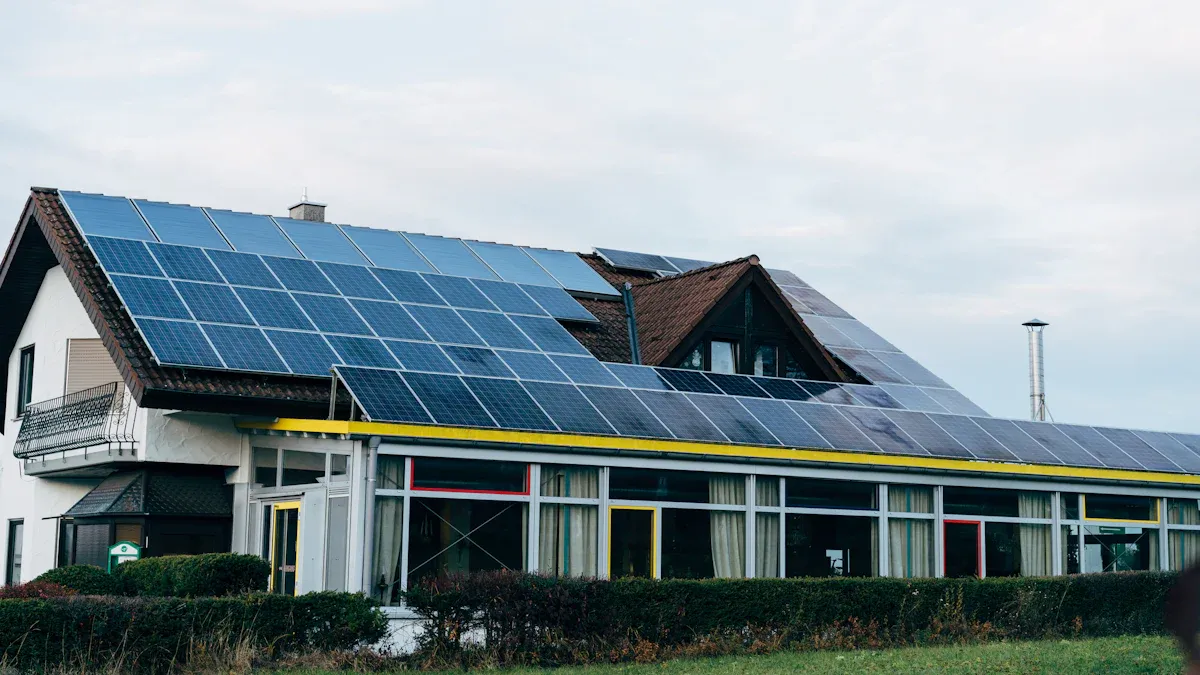
The best Solar Extension Cables always match your system's voltage and current. They are also UV-resistant and waterproof. Correct cable gauging is essential for minimal power loss. This comprehensive guide details top choices and selection criteria. It covers both residential and commercial solar setups.
Key Takeaways
- Good solar cables match your system's power needs. They are also strong against sun and water.
- Always pick the right cable thickness and connector type. This helps your solar system work well and stay safe.
- Check your cables often for damage. This keeps your solar power working for a long time.
Understanding Solar Extension Cables

Purpose in Solar Installations
Solar panels create electricity. They need connections to send this power. Solar Extension Cables are vital for solar systems. They connect individual solar panels. They also link panels to the main inverter. This allows for flexible system design. You can place panels in the sunniest spots. The inverter can stay in a shaded or protected area. These cables bridge the distance between components. They ensure electricity flows smoothly from the panels to where it is used or stored.
Key Characteristics of Quality Cables
Quality cables have specific features. They must resist ultraviolet (UV) light. Sunlight can damage poor cables over time. Good cables are also waterproof. This protects the wires from rain and moisture. Water can cause electrical issues. The cable's gauge is important. It must be thick enough for the power it carries. This prevents overheating and power loss. Insulation material also matters. It protects the internal conductors. Common materials include PVC or XLPE. Connectors on the cable ends must be strong. They ensure a secure and safe connection. These characteristics make cables durable. They also help your solar system work efficiently and safely for many years.
Key Factors for Choosing Solar Extension Cables
Cable Gauge (AWG) for Current and Length
Cable gauge is important. It refers to the wire's thickness. AWG stands for American Wire Gauge. A smaller AWG number means a thicker wire. Thicker wires carry more current. They also reduce power loss over distance. For high current or long runs, choose a thicker cable. This prevents overheating. It also keeps your system efficient.
Connector Type: MC4 Standard
Most solar panels use MC4 connectors. These are the industry standard. They ensure a secure connection. MC4 connectors are waterproof. They also resist UV light. Always use MC4 connectors for compatibility. Mixing connector types can cause problems. It can lead to poor connections.
Insulation Material: PVC vs. XLPE
The cable's outer layer is insulation. It protects the wires inside. PVC (Polyvinyl Chloride) is a common material. It is flexible and affordable. XLPE (Cross-linked Polyethylene) is another option. XLPE offers better heat resistance. It also lasts longer outdoors. For solar applications, XLPE is often preferred. It withstands harsh weather better.
Voltage and Current Rating Compatibility
Your Solar Extension Cables must match your system's ratings. Check the voltage and current of your solar panels. The cables must handle these levels safely. Using cables with lower ratings can be dangerous. It can cause overheating or system failure. Always choose cables rated higher than your system's maximum output.
Length and Voltage Drop Considerations
Cable length affects performance. Longer cables increase voltage drop. Voltage drop means less power reaches your inverter. This reduces system efficiency. Calculate the right cable length. Choose an appropriate gauge for that length. Aim for minimal voltage drop. A drop of 2% or less is ideal. This ensures maximum power delivery.
Top Solar Extension Cables for Residential Use
Choosing the right cables for your home solar system is important. Good cables ensure your system works well. They also keep it safe. This section looks at the best options for residential use.
Recommended Brands and Models
Several brands offer excellent Solar Extension Cables for homes. These brands are known for quality and durability.
- Renogy: Renogy is a popular choice for DIY solar enthusiasts. Their cables are often sold in convenient kits. These kits include MC4 connectors already attached. Renogy cables are known for being robust. They handle outdoor conditions well.
- BougeRV:BougeRV also provides reliable Solar Cables. They focus on ease of use. Their cables often come in various lengths. This helps match different home setups.
- MidNite Solar: MidNite Solar offers high-quality components. Their cables are built for long-term performance. They are a good option for those seeking premium durability.
- HQST: HQST cables are another solid choice. They offer good value. Their products are often compatible with many solar panel brands.
When selecting a brand, check customer reviews. Look for certifications like UL listing. This ensures the cables meet safety standards.
Specific Features for Home Setups
Residential solar setups have unique needs. Cables for homes should offer specific features.
- Flexibility:Home installations often involve routing cables around corners. They may go through tight spaces. Flexible Cables make installation easier. They reduce the risk of damage during setup.
- UV and Weather Resistance: Cables are exposed to sun, rain, and snow. They need strong insulation. This protects them from environmental damage. XLPE insulation is often preferred for its durability.
- Ease of Installation: Many homeowners install their own solar systems. Cables with pre-attached MC4 connectors save time. They also reduce the need for special tools.
- Aesthetics: For visible cable runs, some homeowners prefer black cables. These blend in better with roof shingles or mounting structures.
- Appropriate Lengths: Residential systems vary in size. Cables should be available in common lengths. This includes 10ft, 20ft, 30ft, and 50ft options. This helps minimize waste and voltage drop.
Tip: Always measure your required cable length carefully. Add a little extra for slack and routing. This prevents needing to splice cables later.
Typical Residential Applications
Solar Extension Cables are used in many home scenarios.
- Rooftop Solar Systems: This is the most common application. Cables connect panels in rows. They then run down to the inverter.
- Ground-Mounted Arrays: Some homes have panels on the ground. Cables connect these panels. They then run underground or overhead to the house.
- Off-Grid Cabins or Sheds: Small solar systems power remote buildings. Cables link panels to charge controllers and batteries.
- RV and Marine Solar: While not strictly "residential," these setups share similar cable needs. They require flexible, weather-resistant cables. These cables connect panels to the RV's power system.
- DIY Solar Projects: Homeowners build custom solar solutions. These projects often require specific cable lengths and types.
Choosing the right cables ensures your home solar system performs well. It also provides power safely for many years.
Top Solar Extension Cables for Commercial Use
Commercial solar projects are much larger. They need very strong and reliable cables. These cables must handle more power. They also need to last a long time in tough conditions. This section looks at the best cables for big solar jobs.
Recommended Brands and Models
Commercial solar installations demand high-performance cables. Several brands specialize in these robust products. They meet strict industry standards.
- Lapp Group: Lapp offers a range of ÖLFLEX® SOLAR cables. These cables are known for their durability. They resist UV, ozone, and extreme temperatures. They are often used in large solar farms.
- Helukabel: Helukabel provides SOLARFLEX® cables. These cables are designed for harsh outdoor use. They have excellent mechanical strength. They also resist chemicals and abrasion.
- Prysmian Group: Prysmian produces TECSUN® cables. These cables are built for high voltage and current. They ensure long-term performance in commercial settings. They meet international safety standards.
- Nexans: Nexans offers specialized solar cables. These cables are fire-resistant. They also have low smoke emission. This is important for safety in large buildings.
When choosing brands, always check for certifications. Look for TUV, UL, and IEC approvals. These show the cables meet high safety and quality benchmarks.
Specific Features for Large Projects
Commercial solar projects have unique needs. Their cables must offer specific features.
- Higher Gauge and Capacity: Commercial systems carry much more current. They often have longer cable runs. This requires thicker cables. Common gauges include 6 AWG, 4 AWG, or even larger. These cables reduce power loss. They also prevent overheating.
- Extreme Durability: Cables face harsh weather. This includes strong winds, heavy snow, and intense sun. They also need to resist rodents and physical damage. Commercial cables often have extra-thick jackets. These jackets are made from tough materials.
- Fire Resistance and Safety: Large installations have higher safety risks. Cables must be fire-retardant. They should also produce low smoke if they burn. This protects people and property.
- Compliance and Certifications: Commercial projects must follow strict rules. Cables need to meet national and international codes. Examples include the National Electrical Code (NEC) in the US. They also need TUV or UL certifications.
- Advanced Insulation: XLPE insulation is standard. Some commercial cables use double-insulated XLPE. This provides extra protection. It ensures the cables last for decades.
- Specialized Connectors: While MC4 is common, some large systems use larger connectors. These handle higher currents. They also offer more secure connections.
💡 Tip: Always consult with an electrical engineer for large commercial projects. They can help select the correct cable specifications. This ensures safety and efficiency.
Typical Commercial Applications
Solar Extension Cables are essential for many large-scale projects.
- Utility-Scale Solar Farms: These are very large power plants. They cover many acres. Cables connect thousands of panels. They then send power to the grid. These farms need extremely durable and high-capacity cables.
- Large Rooftop Installations: Many businesses put solar panels on their roofs. Warehouses, factories, and shopping centers use them. Cables run across vast roof areas. They connect to central inverters.
- Industrial Solar Projects: Some industries use solar to power their operations. This includes mining sites or manufacturing plants. Cables must withstand industrial environments. They need to resist chemicals and heavy machinery.
- Community Solar Projects: These projects provide solar power to many homes or businesses. They are often ground-mounted. Cables connect the array to a central point. Then, power is distributed.
- Solar Carports and Canopies: These structures provide shade and generate power. They are common in parking lots. Cables are routed through the structure. They connect to the main electrical system.
Choosing the right cables for commercial use is a critical decision. It impacts the project's safety, efficiency, and long-term success.
Installation Best Practices for Solar Extension Cables
Proper Cable Management and Routing
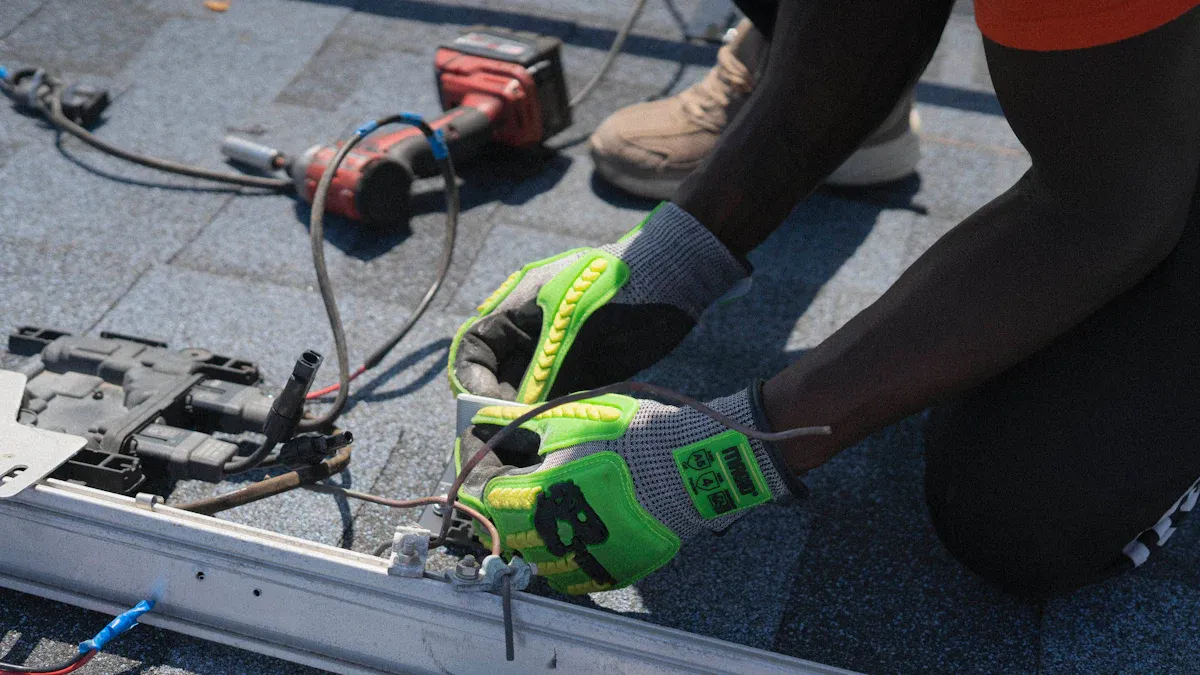
Good cable management is important. It keeps your system safe. It also makes it last longer. Use cable ties to keep wires neat. Run cables in conduits when possible. This protects them from damage. Avoid sharp bends or kinks in the cables. This can harm the wires inside. Keep cables off the ground. This prevents damage from animals or foot traffic.
Ensuring Secure Connections
Loose connections cause problems. They can lead to power loss. They can also be a fire risk. Always use the right tools for MC4 connectors. Make sure they click firmly into place. Pull gently on connections to test them. They should not come apart easily. Use dielectric grease if recommended. This helps keep moisture out.
Protection Against Environmental Factors
Sun, rain, and animals can damage cables. Use UV-resistant cables. This prevents sun damage. Seal all connections properly. This stops water from getting in. Water can cause shorts. Run cables through metal conduits in some areas. This protects them from rodents. Ensure cables are not in standing water.
Regular Inspection and Maintenance
Check your cables often. Look for signs of wear. Check for cracks or discoloration. These can mean sun damage. Make sure all connections are still tight. Loose connections can reduce power. Clean cables if they get dirty. Dirt can hold heat. This can make cables run hotter. Early detection of issues saves money.
Common Mistakes to Avoid with Solar Extension Cables
Avoiding common errors ensures your solar system works well. It also keeps it safe. Here are key mistakes to prevent when working with Solar Extension Cables.
Under-gauging Cables
Using a cable that is too thin is a common error. This is called under-gauging. Thin cables cannot carry enough electricity safely. They can overheat significantly. This overheating wastes power. It also creates a serious fire hazard. Always choose cables with the correct gauge. The gauge depends on the amount of current and the cable length. A thicker cable (lower AWG number) is better for higher currents or longer distances.
Using Non-UV Resistant Cables
Sunlight damages many materials over time. Cables exposed to the sun need strong UV protection. Non-UV resistant cables break down quickly outdoors. Their insulation cracks and becomes brittle. This exposes the internal wires. Exposed wires can cause short circuits. They can also lead to system failure and costly repairs. Always use cables specifically designed for outdoor solar use, often with XLPE insulation.
Mixing Connector Types
Solar panels use specific connectors for safety and efficiency. MC4 connectors are the industry standard for most systems. Mixing different connector types is a mistake. They may not fit together perfectly. This creates loose connections. Loose connections can cause power loss and arc faults. Arc faults are dangerous and can start fires. Always use matching MC4 connectors for all parts of your solar system.
Ignoring Voltage Drop Calculations
Electricity loses some power as it travels through a wire. This is called voltage drop. Longer cables naturally have more voltage drop. Ignoring this calculation reduces your system's overall efficiency. Your inverter receives less power than the panels produce. This means less electricity for your home or business. Always calculate voltage drop. Choose the right cable gauge and length to minimize this power loss.
Choosing the correct solar panel extension cables is vital. It ensures system efficiency and safety. Always prioritize quality. Check compatibility. Consider cable gauge, connector type, insulation, and environmental factors. This maximizes your solar investment. It ensures optimal performance for all installations.
FAQ
What is the difference between AWG 10 and AWG 12 cables?
AWG 10 cable is thicker than AWG 12 cable. Thicker cables carry more current. They also have less power loss over distance. Choose AWG 10 for higher power or longer runs.
Can I cut and splice solar extension cables?
It is not recommended to cut and splice solar cables. Splicing can create weak points. These points can lead to power loss or safety issues. Use cables of the correct length.
How often should I inspect my solar cables?
Inspect your solar cables at least once a year. Look for cracks, fraying, or discoloration. Check for loose connections. Regular checks ensure system safety and efficiency. 🧐