
 Send Email
 Whatsapp


top 5 solar cable

When it comes to solar power systems, the cables you choose make a huge difference. A high-quality Solar Cable keeps your system running smoothly and safely. It boosts energy transfer and ensures your setup meets industry standards. Picking the right one isn’t just smart—it’s essential for long-term performance.
Key Takeaways
- Picking good solar cables is important for safety and energy use. They help move energy well and stop problems like overheating.
- Choose solar cables with certifications such as UL or TUV. These prove the cables are safe and work well.
- Think about how the cable handles weather. Get cables that resist UV rays, heat, cold, and water for lasting use.
What Are Solar Cables and Why Are They Important?
Definition and role of solar cables in solar power systems
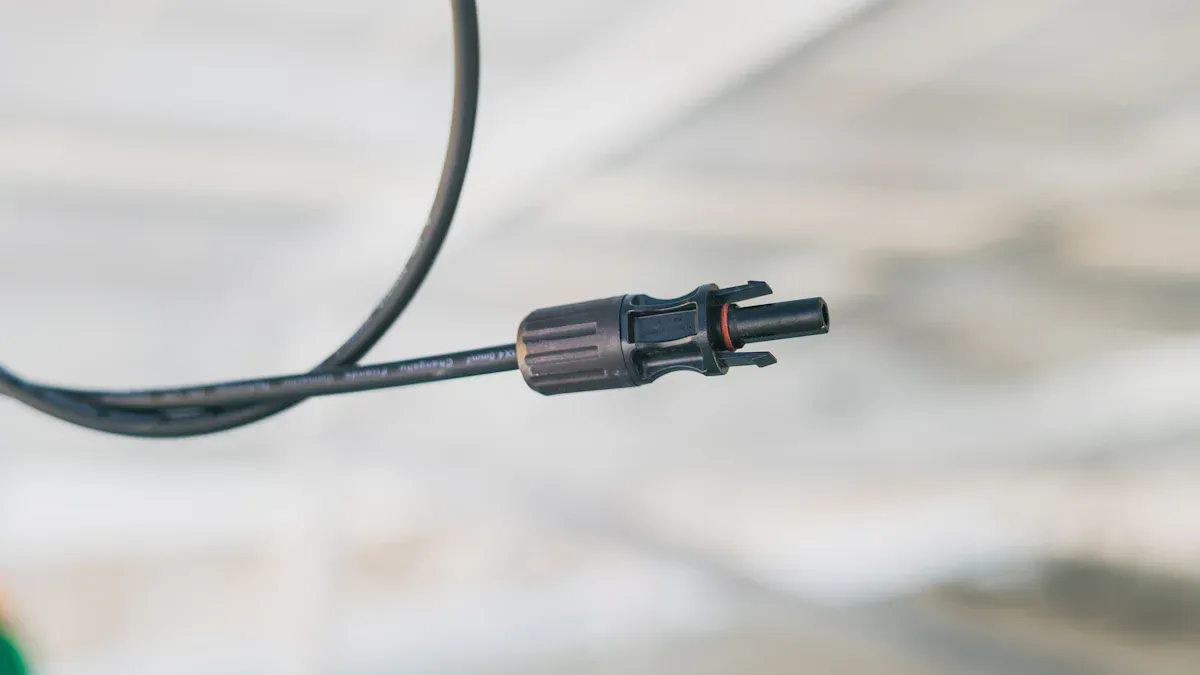
A solar cable is a specialized wire designed to connect different components of a solar power system. It links solar panels to inverters, batteries, and other equipment, ensuring electricity flows smoothly. Without the right cable, your system can’t function efficiently. Think of it as the lifeline that keeps your solar setup running. It’s not just about transferring power—it’s about doing it safely and reliably.
Key features that distinguish solar cables from regular cables
Not all cables are created equal. Solar cables are built to handle tough conditions. They’re resistant to UV rays, extreme temperatures, and moisture. Regular cables can’t withstand these challenges, which makes them unsuitable for outdoor solar installations. Solar cables also have better insulation and flexibility, making them safer and easier to work with. These features ensure they last longer and perform better in demanding environments.
Importance of using high-quality solar cables for safety and efficiency
Using a high-quality solar cable isn’t just a smart choice—it’s a necessity. Poor-quality cables can lead to energy loss, overheating, or even fire hazards. High-quality options ensure maximum energy transfer, which means you get the most out of your solar panels. They also meet industry standards, giving you peace of mind about safety and compliance. Investing in the right cable saves you money and headaches in the long run.
Top 5 Solar Cables on the Market

PV1-F Solar Cable: Features, benefits, and ideal use case
The PV1-F Solar Cable is a popular choice for solar power systems. It’s designed to handle high temperatures and harsh outdoor conditions. This cable is made with cross-linked polyethylene insulation, which makes it resistant to UV rays, ozone, and extreme weather. You can rely on it for long-term durability and safety.
One of the standout features of the PV1-F cable is its flexibility. It’s easy to install, even in tight spaces. Plus, it’s compatible with most solar panels and inverters. If you’re setting up a residential or commercial solar system, this cable is a reliable option. It’s perfect for anyone looking for a balance between performance and affordability.
ZW Cable Solar Cables: Features, benefits, and ideal use case
ZW Cable solar cables are known for their high quality and versatility. These cables are built to meet international standards, ensuring safety and efficiency. They come with double-layer insulation, which provides extra protection against environmental factors like moisture and UV exposure.
What makes ZW Cable stand out is its wide range of options. Whether you need cables for a small home system or a large-scale solar farm, ZW Cable has you covered. Their products are also highly durable, so you won’t have to worry about frequent replacements. If you want a dependable cable that can handle various applications, ZW Cable is a great choice.
Top Cable Solar Cables: Features, benefits, and ideal use case
Top Cable Solar cables are designed for maximum energy transfer. They use high-quality materials to minimize energy loss, which means you get the most out of your solar panels. These cables are also flame-retardant and halogen-free, making them a safer option for your system.
Another advantage of Top Cable is its resistance to extreme temperatures. Whether you’re in a hot desert or a cold mountain region, these cables perform consistently. They’re ideal for both residential and industrial solar installations. If efficiency and safety are your top priorities, Top Cable is worth considering.
JZD Wire & Cable Solar Cables: Features, benefits, and ideal use case
JZD Wire & Cable solar cables are built to last. They’re made with high-grade materials that resist wear and tear, even in tough conditions. These cables are also highly flexible, which makes installation a breeze.
One of the key benefits of JZD Wire & Cable is its excellent electrical conductivity. This ensures efficient energy transfer, helping you maximize the output of your solar system. These cables are a great fit for anyone looking for a durable and efficient solution for their solar setup.
RR Kabel Solar Cables: Features, benefits, and ideal use case
RR Kabel solar cables are a trusted name in the industry. They’re designed to meet the highest safety standards, giving you peace of mind. These cables are resistant to UV rays, moisture, and chemicals, making them suitable for outdoor use.
What sets RR Kabel apart is its focus on innovation. Their cables are engineered to deliver superior performance, even in challenging environments. Whether you’re installing a rooftop system or a large solar farm, RR Kabel offers a reliable and efficient solution.
How to Choose the Right Solar Cable
Consider quality and durability
When picking a solar cable, quality should be your top priority. A high-quality cable lasts longer and performs better. Look for cables made with durable materials that can handle wear and tear. You don’t want to replace them frequently, right? A good cable will save you time and money in the long run. Plus, it ensures your solar system runs smoothly without interruptions.
Check compliance with industry standards (e.g., UL, TUV certifications)
Not all cables meet the same safety standards. Always check if the cable has certifications like UL or TUV. These certifications prove that the cable meets strict safety and performance requirements. Using certified cables gives you peace of mind. You’ll know your system is safe and compliant with industry regulations. It’s a small step that makes a big difference.
Evaluate cable size and compatibility with your solar system
The size of the cable matters more than you might think. A cable that’s too small can overheat or lose energy. On the other hand, a cable that’s too large might be unnecessary and costly. Check the specifications of your solar system and choose a cable that matches. Compatibility ensures efficient energy transfer and prevents potential issues.
Assess resistance to environmental factors (e.g., UV, temperature, moisture)
Solar cables face tough outdoor conditions. They need to resist UV rays, extreme temperatures, and moisture. If the cable isn’t built for these challenges, it won’t last long. Look for cables specifically designed for outdoor use. This ensures they stay reliable, even in harsh environments. A weather-resistant cable keeps your system running without hiccups.
Choosing the right solar cable is key to keeping your solar system safe and efficient. From the durable PV1-F to the innovative RR Kabel, each option offers unique benefits. Focus on quality, certifications, and compatibility when shopping. A smart choice today ensures your system performs well for years to come. 🌞
FAQ
What makes solar cables different from regular electrical cables?
Solar cables resist UV rays, extreme temperatures, and moisture. They’re built for outdoor use and ensure safe, efficient energy transfer. Regular cables can’t handle these conditions.
How do I know if a solar cable meets safety standards?
Look for certifications like UL or TUV. These prove the cable meets strict safety and performance requirements. Certified cables keep your system safe and compliant.
Tip: Always check the cable packaging or product description for certifications.
Can I use any cable size for my solar system?
No, cable size matters. Too small can overheat; too large wastes money. Match the cable size to your system’s specifications for optimal performance.
⚡ Note: Incorrect cable sizing can lead to energy loss or system damage.