

 Send Email
 Whatsapp


What are the uses of solar cable
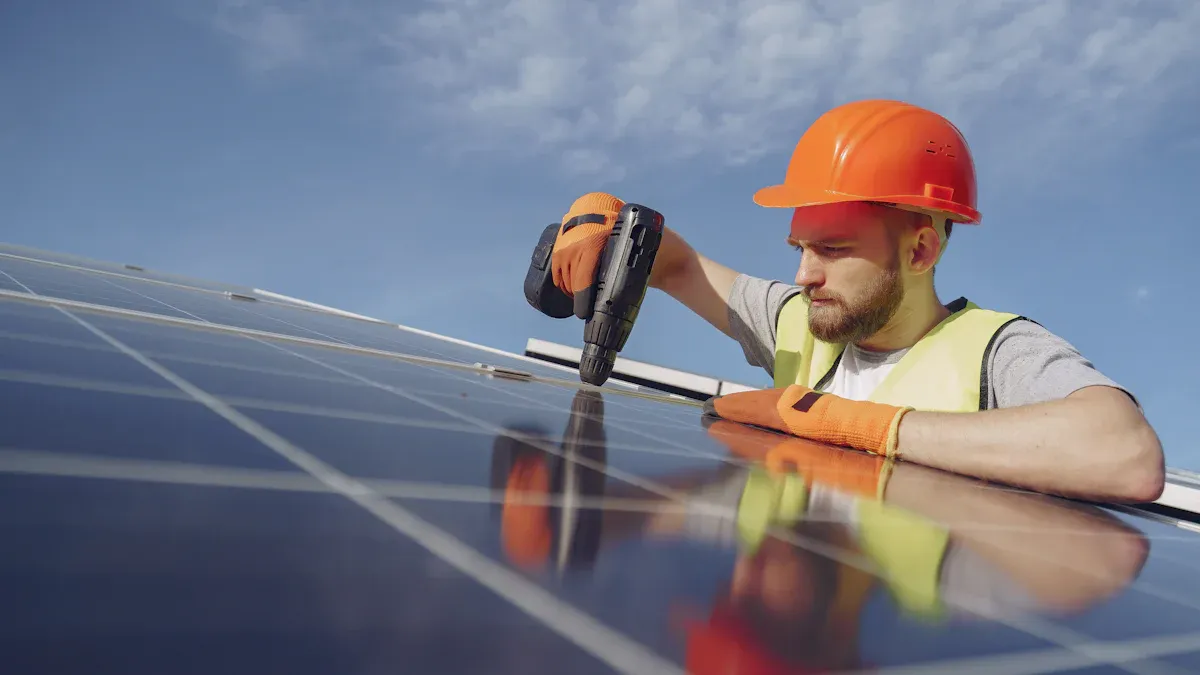
Solar Cable connects solar panels, inverters, and batteries in a solar energy system. It carries electricity safely and efficiently. People use solar cable in homes, businesses, and factories. These cables protect the system from harsh weather and help keep the power flowing without interruption.
Key Takeaways
- Solar cables connect solar panels, inverters, and batteries to keep electricity flowing safely and efficiently.
- These cables are specially made to resist heat, sunlight, and moisture, making them perfect for outdoor solar systems.
- Choosing the right type and size of solar cable improves system performance and protects your investment.
Main Applications and Types of Solar Cable
Connecting Solar Panels, Inverters, and Batteries
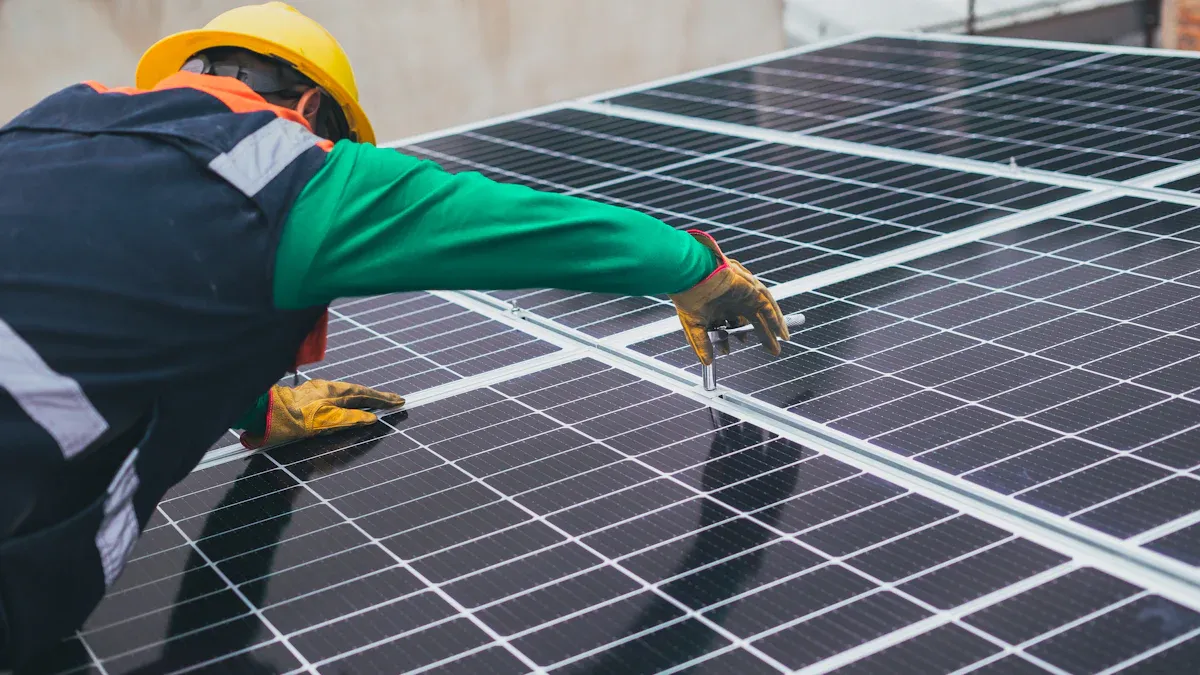
Solar energy systems need strong connections between their parts. Solar cable links solar panels to inverters and batteries. This cable carries the electricity that panels make from sunlight. Inverters change the electricity from direct current (DC) to alternating current (AC). Batteries store extra power for later use.
Solar cable helps keep the flow of electricity steady and safe. It resists heat, sunlight, and moisture. This makes it a good choice for outdoor use.
A typical solar setup uses solar cable in these ways:
- Connects each solar panel to the next one in a string.
- Links the string of panels to the inverter.
- Connects the inverter to the battery bank or the main power supply.
Residential, Commercial, and Industrial Uses
People use solar cable in many places. Homeowners use it for rooftop solar systems. Businesses use it for larger solar arrays on buildings or parking lots. Factories and farms use solar cable for big solar power plants.
| Application Type | Example Use Case | Cable Requirement |
|---|---|---|
| Residential | Rooftop solar for homes | Flexible, weatherproof |
| Commercial | Solar panels on office buildings | High capacity, durable |
| Industrial | Solar farms, factories | Heavy-duty, long distance |
Each setting needs a different type of solar cable. Homes need Flexible Cables that fit in small spaces. Factories need cables that can handle more power and longer distances.
Single-Core, Multi-Core, DC, and AC Solar Cables
Solar cable comes in different types. Each type fits a special job in the system.
- Single-core cable has one conductor. It works well for simple connections, like linking panels in a row.
- Multi-core cable has several conductors in one jacket. It helps when space is tight or when many wires need to run together.
- DC solar cable carries direct current from the panels to the inverter.
- AC solar cable carries alternating current from the inverter to the building or grid.
Tip: Always choose the right type of solar cable for each part of the system. This helps prevent power loss and keeps the system safe.
Choosing the correct cable type ensures the solar energy system works well and lasts a long time.
Solar Cable vs. Regular Cable and Selection Considerations
Construction, Durability, and Weather Resistance
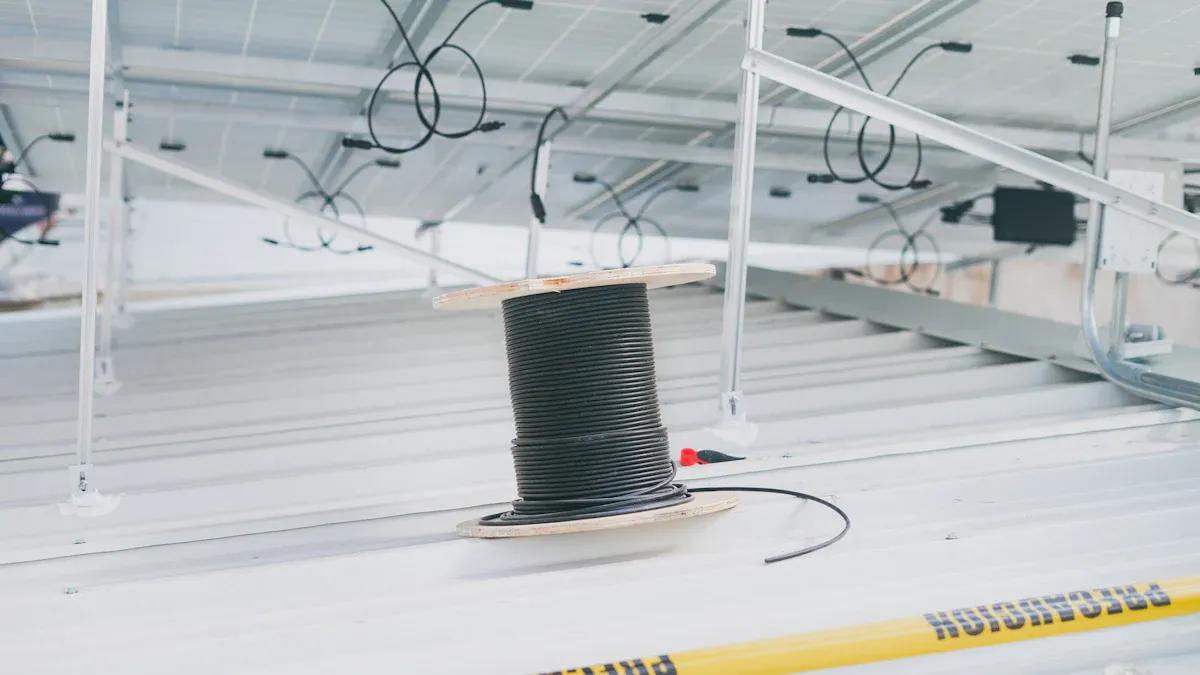
Solar cable has a special design for outdoor use. Manufacturers use thick insulation and strong materials. These cables resist sunlight, rain, and high temperatures. Regular cables often have thin insulation and cannot handle harsh weather. Solar cable lasts longer because it does not crack or break easily.
Note: Good insulation keeps the system safe and prevents power loss.
Suitability for Solar Installations
Solar cable works best in solar energy systems. It handles high voltage and strong currents from solar panels. Regular cable may not carry enough power or stay safe in outdoor settings. Solar cable also bends easily, so installers can fit it around corners and tight spaces.
| Feature | Solar Cable | Regular Cable |
|---|---|---|
| Weatherproof | Yes | No |
| UV Resistant | Yes | No |
| Flexible | Yes | Sometimes |
| For Solar Use | Yes | No |
Choosing the Right Solar Cable for Your System
People should check the voltage and current of their solar system before buying cable. They need to pick the right size and type for safety and performance. Installers often use thicker cables for long distances to prevent power loss.
Tip: Always ask a professional for advice when choosing solar cable.
- Solar cable connects every part of a solar energy system.
- Its strong design keeps power flowing safely in many places.
- People who choose the right solar cable protect their system and improve performance.
A good solar cable helps solar power work better for everyone.
FAQ
What makes solar cable different from regular cable?
Solar cable uses thicker insulation and special materials. It resists sunlight, heat, and moisture. Regular cable does not last as long outdoors.
Can solar cable be used indoors?
Yes. Solar cable works well indoors and outdoors. Its strong design protects against damage in many environments.
How does someone choose the right size of solar cable?
People check the voltage and current of their system. They select a cable size that matches these needs. Thicker cables help prevent power loss.
Tip: Always ask a solar expert for help with cable selection.