

 Send Email
 Whatsapp


what is solar pv cable
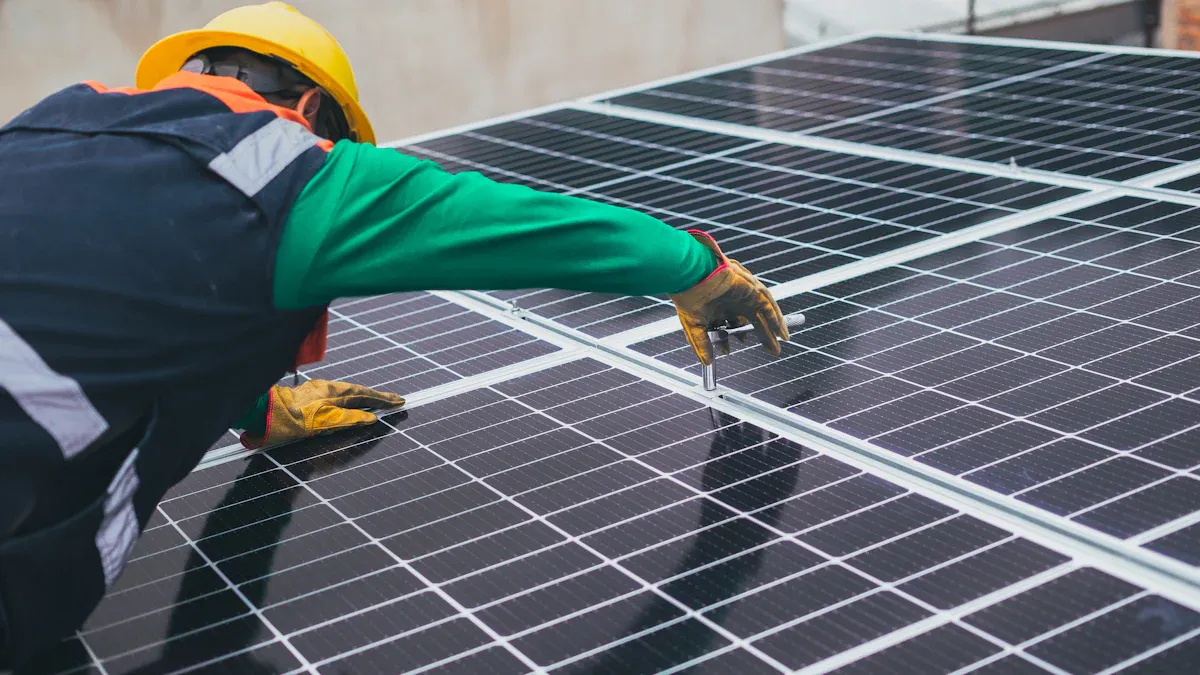
A solar PV cable helps you connect solar panels to other equipment in a solar power system. You use a Solar Cable because it safely carries electricity from one part to another. > Using the right solar cable keeps your system safe and helps it work well, even in tough outdoor conditions.
Key Takeaways
- Solar PV cables safely carry electricity between solar panels and other system parts, ensuring your system works well outdoors.
- These cables use strong materials and special insulation to resist sun, water, and harsh weather, making them last for many years.
- Choosing the right solar cable size and type protects your system and keeps it safe; always check labels and follow safety rules.
Key Features of Solar Cable
Construction and Materials
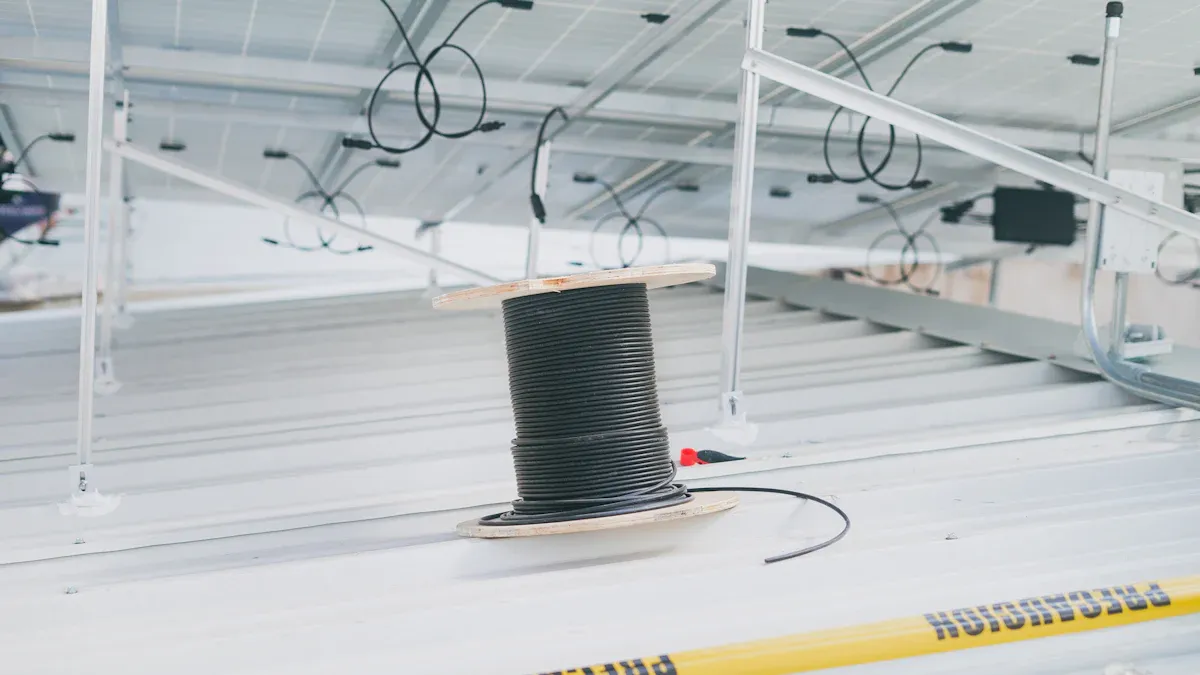
When you look at a solar cable, you notice that it has a special design. Manufacturers use copper or tinned copper for the core. This metal helps the cable carry electricity well. The insulation and jacket often use cross-linked polyethylene (XLPE) or similar materials. These materials protect the wires inside.
You find that solar cables have a single core or multiple cores. The single-core type is common in most solar panel setups. The outer layer keeps water, dust, and sunlight away from the wires. This design helps the cable last longer and work safely.
Tip: Always check the label on your solar cable. It tells you about the materials and the size, which helps you pick the right one for your system.
Durability and Weather Resistance
You need a cable that can handle tough outdoor conditions. A solar cable faces sun, rain, wind, and even snow. The outer jacket resists UV rays, so the sun does not damage it quickly. The cable also stands up to high and low temperatures.
Here are some features that make solar cables durable:
- UV-resistant outer layer
- Water and moisture protection
- Flexible design for easy installation
- Resistance to chemicals and oils
If you use a regular cable, it may crack or wear out fast. A solar cable keeps working for many years, even in harsh weather.
Electrical Performance and Safety
You want your solar power system to run safely and smoothly. A solar cable carries electricity with low resistance, so you lose less power. The insulation stops electricity from leaking out. This keeps you and your equipment safe.
Solar cables meet strict safety standards. They can handle high voltages and strong currents. If you use the right cable, you lower the risk of fire or electric shock.
| Feature | Benefit |
|---|---|
| Low resistance | Better power flow |
| Strong insulation | Prevents leaks and shocks |
| High voltage rating | Handles solar panel output |
Remember: Using the correct solar cable protects your system and everyone around it.
Applications and Choosing the Right Solar Cable
Typical Uses in Solar Installations
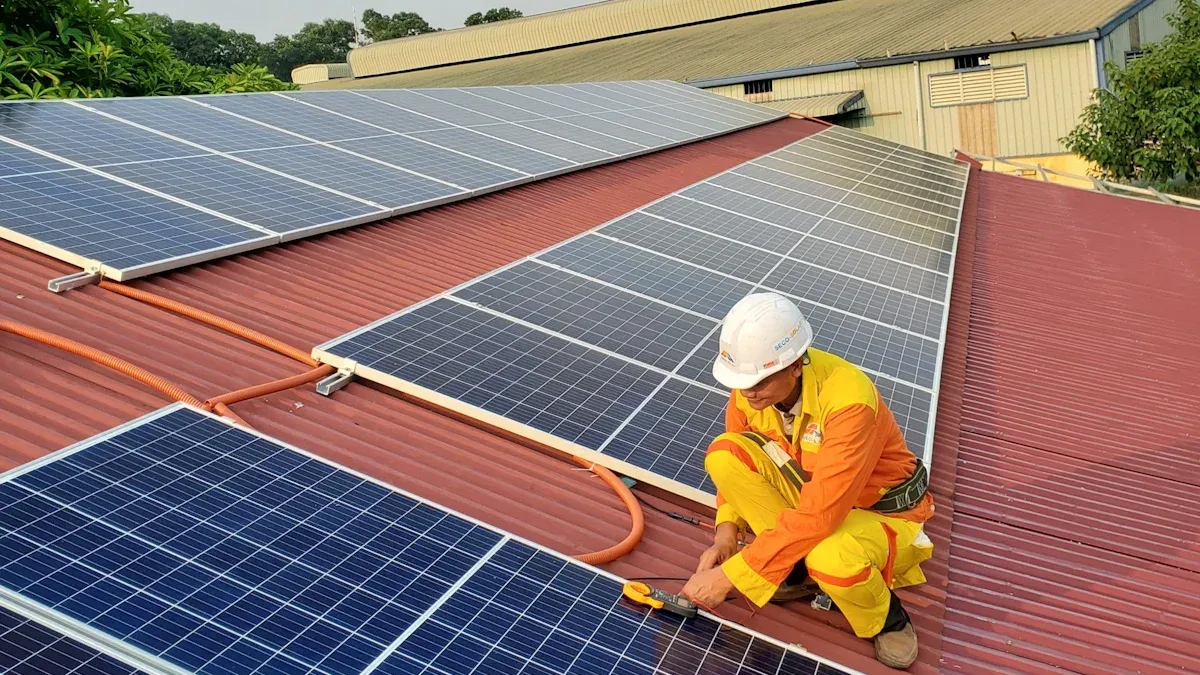
You use solar cable in many parts of a solar power system. It connects solar panels to each other. You also use it to link panels to inverters and batteries. Sometimes, you need to run cable from the inverter to your main electrical panel. Solar cable works well for both rooftop and ground-mounted systems. You can also use it for off-grid setups, like solar-powered lights or water pumps.
How Solar Cable Differs from Regular Cable
Solar cable stands out from regular cable in several ways. It resists sunlight, water, and extreme temperatures. Regular cable may break down quickly outdoors. Solar cable has thicker insulation and a tough outer jacket. This design keeps the cable safe and working for years. You also find that solar cable handles higher voltages and currents. Regular cable may not meet the safety standards needed for solar power systems.
| Feature | Solar Cable | Regular Cable |
|---|---|---|
| UV Resistance | Yes | No |
| Weatherproof | Yes | No |
| High Voltage Safe | Yes | Sometimes |
Factors to Consider When Selecting and Installing
You should look at several things before you choose a solar cable. Check the voltage and current ratings. Make sure the cable size matches your system’s needs. Look for cables with strong UV and weather resistance. When you install, avoid sharp bends and protect the cable from damage. Always follow local codes and safety rules.
Tip: Ask a professional if you are not sure which solar cable to use for your project.
Choosing the right cable keeps your solar power system safe and efficient. You get strong protection, long life, and steady performance.
Always check labels and ratings before you buy.
- Ask an expert if you feel unsure.
- Follow safety rules during installation.
FAQ
What size solar cable do you need for your system?
You need to check your system’s voltage and current. Use a cable size chart or ask a professional to pick the right size.
Can you use regular electrical cable for solar panels?
No, you should not use regular cable. Solar cable resists sunlight, water, and heat. Regular cable may fail outdoors.
How long does solar cable last?
Solar cable often lasts over 25 years. You get long life because the cable resists UV rays, water, and harsh weather.