

 Send Email
 Whatsapp


What is a twin core cable used for?

A twin core cable consists of two insulated conductors, making it ideal for transmitting electrical power or signals. You often find it in automotive wiring, household appliances, and solar systems. For example, a twin core Solar Cable connects solar panels to batteries, ensuring efficient energy transfer. Its compact design supports easy installation.
Key Takeaways
- Twin core cables have two insulated wires. They are great for carrying electricity and signals in many uses.
- Always check the voltage limit and insulation type of a twin core cable. This ensures it works well for your project needs.
- Using good twin core cables and installing them properly improves safety, efficiency, and durability in cars, homes, and solar systems.
Understanding Twin Core Cable

Structure and Design
A twin core cable consists of two insulated conductors running parallel to each other. These conductors are typically made of copper or aluminum, materials known for their excellent conductivity. Each conductor is coated with a layer of insulation, which prevents electrical leakage and ensures safety during operation. The insulation material often depends on the cable's intended use. For example, cables designed for outdoor or marine environments may feature weather-resistant or UV-resistant coatings.
The design of a twin core cable is compact and straightforward. This simplicity makes it easy to handle and install. You can find variations in the thickness of the conductors and the type of insulation, allowing the cable to meet specific voltage and environmental requirements. Some twin core cables, like the twin core solar cable, are designed to withstand harsh conditions, such as extreme temperatures or prolonged exposure to sunlight.
Tip: When selecting a twin core cable, always check the specifications to ensure it matches your project's requirements. This step can prevent potential issues like overheating or power loss.
Primary Functions
The primary purpose of a twin core cable is to transmit electrical power or signals between two points. Its dual-conductor design allows it to carry both positive and negative currents, making it ideal for DC (direct current) applications. This feature is particularly useful in systems like solar power setups, where efficient energy transfer is crucial.
In addition to power transmission, twin core cables are often used for signal communication. For instance, they can connect sensors or control devices in automotive and industrial systems. Their versatility extends to household applications, where they power small appliances or lighting systems. The twin core solar cable, specifically, plays a vital role in renewable energy systems by connecting solar panels to batteries or inverters.
Note: Proper installation of a twin core cable ensures optimal performance and reduces the risk of electrical faults.
Applications of Twin Core Cable
Automotive Wiring
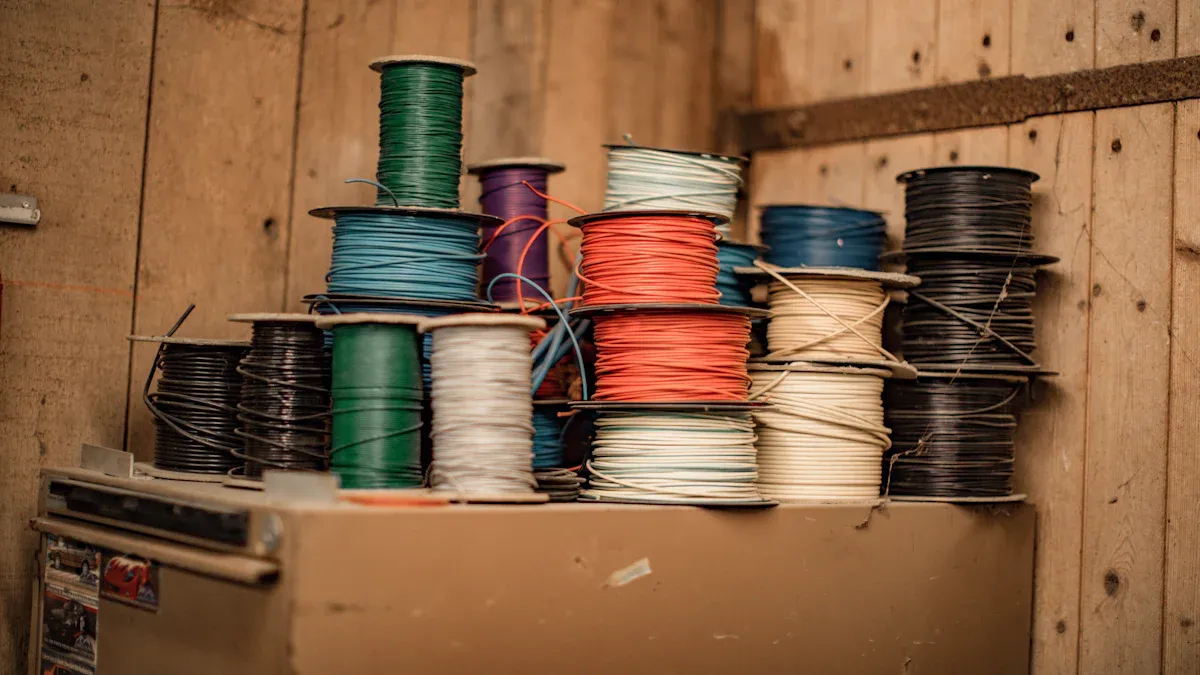
Twin core cables play a vital role in automotive wiring. You can use them to connect various electrical components, such as headlights, sensors, and battery systems. Their compact design makes them ideal for tight spaces within vehicles. The dual-conductor structure ensures reliable transmission of power and signals, which is essential for the smooth operation of modern cars. These cables also resist vibrations and temperature changes, making them suitable for the demanding conditions of automotive environments.
Tip: When working on automotive wiring, choose a twin core cable with insulation that can withstand high temperatures and mechanical stress.
Electrical and Household Uses
In household applications, twin core cables are commonly used for small appliances, lighting systems, and other low-voltage devices. Their straightforward design simplifies installation, even for DIY projects. You might find them powering desk lamps, ceiling fans, or garden lights. The insulation ensures safety by preventing electrical shocks or short circuits. For indoor use, cables with PVC insulation are popular due to their affordability and durability.
Note: Always check the voltage rating of the cable before using it for household appliances to avoid overloading.
Twin Core Solar Cable in Solar Power Systems
Twin core solar cables are essential for solar power systems. They connect solar panels to batteries or inverters, ensuring efficient energy transfer. These cables are designed to handle direct current (DC) and resist harsh environmental conditions, such as UV exposure and extreme temperatures. If you're setting up a solar power system, using a twin core solar cable ensures long-term reliability and optimal performance. Its weather-resistant insulation makes it suitable for outdoor installations.
Callout: Investing in high-quality twin core solar cables can improve the efficiency of your solar power system and reduce maintenance costs.
Marine and Outdoor Applications
Marine and outdoor environments demand cables that can withstand moisture, salt, and UV rays. Twin core cables meet these requirements, making them ideal for boats, docks, and outdoor lighting systems. You can use them to connect navigation lights, pumps, or other electrical equipment on watercraft. Their durable insulation prevents corrosion and ensures consistent performance in wet conditions. For outdoor use, cables with UV-resistant coatings are a smart choice.
Tip: When installing twin core cables in marine settings, ensure proper sealing of connections to prevent water ingress.
Benefits of Twin Core Cable
Ease of Installation
Twin core cables are designed for simplicity, making them easy to install even in tight spaces. Their compact structure allows you to handle and route them without much effort. This feature is especially helpful in projects like automotive wiring or household setups, where space is often limited. You don’t need specialized tools or advanced skills to work with these cables, which makes them ideal for both professionals and DIY enthusiasts.
Tip: Always measure the required cable length before installation to avoid unnecessary cuts or waste.
Flexibility and Versatility
The flexibility of twin core cables makes them suitable for a wide range of applications. You can bend and route them around corners or through confined areas without damaging the insulation. This adaptability is why they are commonly used in automotive systems, household appliances, and renewable energy setups like solar power systems. For example, a twin core solar cable can connect solar panels to batteries or inverters, ensuring efficient energy transfer while withstanding environmental challenges.
Callout:Flexible Cables reduce the risk of breakage during installation, saving you time and money.
Durability and Environmental Resistance
Twin core cables are built to last. Their insulation protects against wear and tear, ensuring reliable performance over time. Many cables are designed to resist environmental factors like UV rays, moisture, and extreme temperatures. This durability makes them perfect for outdoor and marine applications. For instance, a twin core solar cable can endure harsh sunlight and fluctuating weather conditions, maintaining its efficiency in solar power systems.
Note: Choosing a cable with high-quality insulation ensures long-term durability and safety.
Key Specifications of Twin Core Cable
Voltage Rating
The voltage rating of a twin core cable determines how much electrical power it can safely handle. You’ll typically find these cables rated for low to medium voltage, such as 12V, 24V, or 48V. These ratings make them ideal for applications like automotive wiring, household appliances, and solar power systems. Always check the voltage rating before use to ensure compatibility with your project. Using a cable with an incorrect rating can lead to overheating or electrical failure.
Tip: Look for the voltage rating printed on the cable’s insulation. This ensures you select the right cable for your needs.
Insulation Material
The insulation material plays a critical role in the cable’s performance and safety. Most twin core cables use PVC (polyvinyl chloride) or XLPE (cross-linked polyethylene) insulation. PVC is affordable and works well for indoor applications. XLPE, on the other hand, offers better heat resistance and durability, making it suitable for outdoor or high-temperature environments. Some cables also feature UV-resistant or waterproof insulation for specialized uses.
| Insulation Type | Best For | Key Features |
|---|---|---|
| PVC | Indoor and household wiring | Affordable, flexible |
| XLPE | Outdoor and high-temperature | Heat-resistant, durable |
Note: Choose the insulation type based on the environment where the cable will be installed.
Temperature and Environmental Resistance
Twin core cables are designed to withstand a range of temperatures and environmental conditions. Standard cables can handle temperatures between -20°C and 70°C. Specialized cables, like twin core solar cables, can endure extreme heat or cold, often ranging from -40°C to 90°C. For outdoor or marine applications, look for cables with weatherproof and UV-resistant coatings. These features ensure long-term reliability even in harsh conditions.
Callout: Using a cable with the right temperature and environmental resistance prevents damage and ensures safety.
Tips for Choosing and Using Twin Core Cable
Selecting the Right Cable for Your Needs
Choosing the right twin core cable ensures your project runs smoothly and safely. Start by identifying the specific requirements of your application. Consider the voltage rating first. For example, a 12V or 24V cable works well for automotive or household uses, while solar systems may need higher ratings. Next, check the insulation material. PVC insulation suits indoor projects, but outdoor or marine environments require UV-resistant or waterproof coatings.
Measure the length of cable you need before purchasing. This prevents wastage and ensures you have enough for the job. Also, think about the cable's flexibility. If you’re working in tight spaces, a more flexible cable will make installation easier. Finally, look for certifications or quality marks. These indicate the cable meets safety and performance standards.
Tip: Always match the cable’s specifications to your project’s requirements to avoid performance issues.
Avoiding Common Mistakes
Using the wrong cable can lead to electrical faults or even safety hazards. Avoid common mistakes by double-checking the voltage rating and insulation type. Never use a cable with a lower voltage rating than required. This can cause overheating or damage to your equipment.
Improper installation is another frequent error. Ensure all connections are secure and protected from moisture or dust. For outdoor or marine applications, seal the ends of the cable to prevent water ingress. Lastly, don’t ignore the environment where the cable will be used. A cable designed for indoor use won’t last long in harsh outdoor conditions.
Note: Regularly inspect your cables for wear and tear to maintain safety and efficiency.
Twin core cables play a crucial role in industries like automotive, solar power, and marine applications. Their versatility and durability make them indispensable for transmitting power and signals.
Reminder: Always consider the cable's voltage rating, insulation material, and environmental resistance. Choosing the right cable ensures safety, efficiency, and long-term reliability.
FAQ
What is the difference between twin core and single core cables?
A twin core cable has two insulated conductors, while a single core cable has one. Twin core cables are ideal for DC systems requiring both positive and negative connections.
Tip: Use twin core cables for applications like solar systems or automotive wiring where dual conductors are essential.
Can you use twin core cables for outdoor installations?
Yes, you can. Choose cables with UV-resistant and weatherproof insulation for outdoor use. These features ensure durability and safety in harsh environmental conditions.
Note: Always check the cable's specifications for temperature and environmental resistance before outdoor installation.
How do you determine the correct twin core cable size?
Check your system's voltage and current requirements. Match these with the cable's specifications, including conductor thickness and voltage rating, to ensure safe and efficient operation.
Reminder: Using an undersized cable can cause overheating and reduce performance.