

 Send Email
 Whatsapp


Where are DC cables used?

DC cables carry electricity in one direction. People use them in solar power systems, electric vehicles, battery storage, and telecommunications.
- A Solar Cable connects solar panels to equipment safely and efficiently.
Choosing the right DC cable helps protect equipment and ensures reliable power.
Key Takeaways
- DC cables carry electricity in one direction and are essential for solar power, electric vehicles, battery storage, telecommunications, and industrial equipment.
- Choosing the right DC cable improves safety, prevents damage, and ensures reliable power in systems exposed to heat, sunlight, and moisture.
- DC cables have thicker insulation and special designs that make them safer and more efficient than AC cables for direct current applications.
Main Applications of DC Cables
Solar Cable in Photovoltaic Systems
Solar power systems use direct current to move electricity from solar panels to other equipment. A solar cable connects the panels to inverters and batteries. This cable resists sunlight, heat, and moisture. People choose a solar cable because it keeps the system safe and efficient. Many solar farms and rooftop systems rely on solar cable to deliver power without loss.
Tip: Always use the right solar cable for outdoor solar panels. This helps prevent damage and keeps the system working longer.
Electric Vehicles and Charging Infrastructure
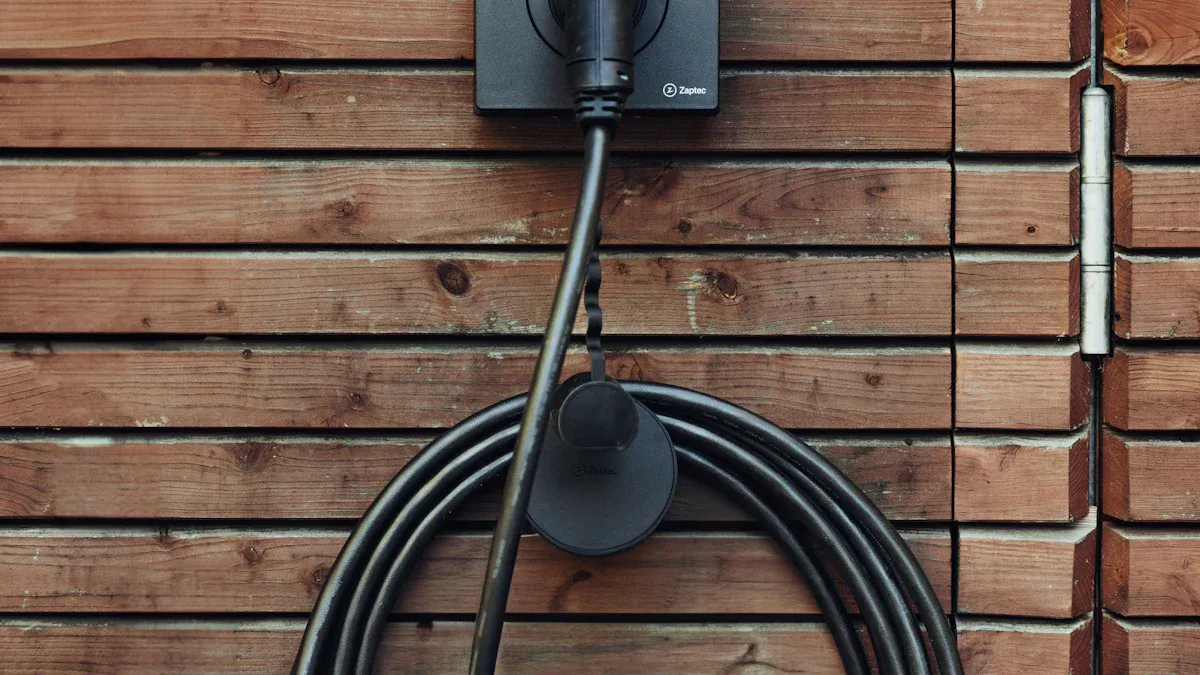
Electric vehicles (EVs) need DC cables to move power from the battery to the motor. Charging stations also use these cables to deliver electricity to the car. DC cables in EVs must handle high currents and stay flexible. Engineers design these cables to fit inside cars and charging units. This helps EVs charge quickly and drive safely.
Battery Storage Installations
Battery storage systems store energy for later use. DC cables connect batteries to inverters and control units. These cables must carry large amounts of current without overheating. Many homes and businesses use battery storage with solar panels. The right DC cable helps store and release energy when needed.
- DC cables in battery storage:
- Carry high current
- Connect batteries to other devices
- Support backup power during outages
Telecommunications Networks
Telecommunications equipment often runs on direct current. DC cables supply power to cell towers, data centers, and network switches. These cables help keep phone and internet services running. Technicians use DC cables because they provide steady power and reduce the risk of signal loss.
Industrial and Automation Equipment
Factories and automation systems use DC cables to power machines and robots. These cables connect control panels, motors, and sensors. DC cables in industry must handle tough conditions like heat, oil, and vibration. Reliable DC cables help factories run smoothly and avoid downtime.
Why DC Cables Are Preferred
Designed for Direct Current Transmission
Manufacturers build DC cables to carry electricity in one direction. These cables use special materials that handle steady current without losing power. The insulation on DC cables stops leaks and keeps the current safe inside. Many DC cables have thicker wires than AC cables. This helps them move more energy with less heat. People choose DC cables for jobs that need direct current because they work better in those settings.
Note: DC cables often have markings that show they are safe for direct current use.
Safety and Performance Advantages
DC cables offer strong safety features. The insulation protects people and equipment from electric shocks. These cables resist fire, water, and sunlight. Factories and homes use DC cables because they last a long time and do not break easily. Good DC cables also lower the risk of short circuits. This keeps systems running without problems.
Key safety benefits of DC cables:
- Thick insulation
- High heat resistance
- Strong outer jackets
DC vs. AC Cable Usage
DC and AC cables serve different jobs. DC cables move electricity from batteries, solar panels, and chargers. AC cables carry power from outlets and generators. The table below shows the main differences:
| Feature | DC Cable | AC Cable |
|---|---|---|
| Current Type | Direct Current | Alternating Current |
| Main Use | Solar, EV, Battery | Home, Office, Grid |
| Insulation | Thicker | Standard |
People pick DC cables when they need steady, one-way power. AC cables work best for changing current from the power grid. Choosing the right cable keeps systems safe and efficient.
DC cables power many systems, including solar, automotive, storage, telecom, and industrial equipment. Selecting the correct cable, such as a solar cable for photovoltaic systems, improves safety and performance. Readers who understand the main uses of DC cables can make better choices for electrical projects.
FAQ
What makes DC cables different from AC cables?
DC cables carry electricity in one direction. AC cables move electricity back and forth. DC cables often have thicker insulation for safety.
Can people use DC cables outdoors?
Yes, many DC cables work outdoors. They resist sunlight, water, and heat. Always check the cable label for outdoor use.
Why do solar panels need special DC cables?
- Solar panels use DC cables that:
- Resist UV rays
- Handle high temperatures
- Last longer outside
These features keep solar systems safe and reliable.