

 Send Email
 Whatsapp


Which cable is best for long distance?

When it comes to long-distance connections, fiber optic cables are your best bet. They deliver blazing-fast speeds, reliable performance, and almost no signal loss. For networking, Ethernet cables like Cat6a work great. Need to transmit video over long distances? Fiber optic HDMI cables are perfect. Even solar systems benefit from DC Solar Cable for efficient energy transfer.
Key Takeaways
- Fiber optic cables work best for long distances. They are fast and lose very little signal.
- Think about the location when picking a cable. Strong cables are better for outdoor use to last longer.
- For sending video far, fiber optic HDMI cables keep quality better than regular HDMI cables.
Key Factors to Consider for Long-Distance Cables
When choosing a cable for long-distance use, you need to think about several important factors. Let’s break them down so you can make the best decision.
Signal Quality and Attenuation
Signal quality matters a lot when you’re dealing with long distances. Over time, signals weaken—a process called attenuation. Fiber optic cables shine here because they lose very little signal, even over miles. Ethernet cables, like Cat6a, work well for shorter distances but may need boosters for longer runs. Always check the cable’s specifications to see how far it can go without losing quality.
Tip: If you’re noticing poor performance, consider using a signal booster or switching to fiber optic cables for better results.
Speed and Bandwidth Requirements
How fast do you need your connection to be? If you’re streaming 4K videos or transferring large files, you’ll want a cable that supports high speeds and bandwidth. Fiber optic cables are the gold standard for speed. Ethernet cables, especially Cat6a or Cat7, also handle high-speed data well but have distance limits. For video, fiber optic HDMI cables are a great choice.
Durability and Environmental Factors
Will your cable be exposed to harsh conditions? Outdoor installations or industrial settings require cables that can handle wear and tear. Fiber optic cables are durable but need protection from bending. Ethernet cables with shielding (STP) resist interference better. For solar systems, DC solar cables are designed to withstand extreme weather.
Note: Always choose cables rated for the environment they’ll be used in. This prevents damage and ensures long-term reliability.
Cost Considerations
Budget plays a big role in your decision. Fiber optic cables cost more upfront but save you money in the long run with their durability and performance. Ethernet cables are more affordable and work well for moderate distances. HDMI cables vary in price, with fiber optic HDMI being pricier but worth it for long runs.
Emoji Insight: 💡 Think of it this way—spending a bit more now can save you headaches (and money) later!
By keeping these factors in mind, you’ll find the perfect cable for your needs.
Comparing Cable Types for Long Distances
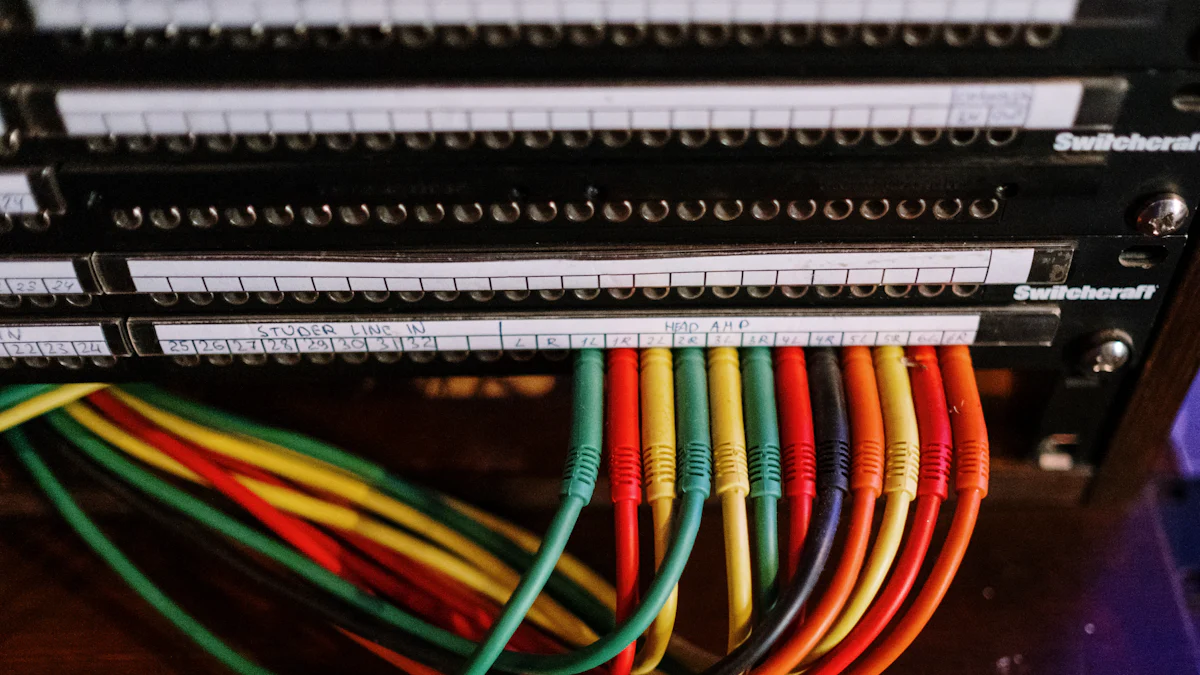
Ethernet Cables (Cat5e, Cat6, Cat6a, Cat7)
Ethernet cables are a popular choice for networking. They’re reliable and easy to install. Cat5e is the most basic option, supporting speeds up to 1 Gbps over 100 meters. If you need faster speeds, Cat6 and Cat6a are better. Cat6a can handle up to 10 Gbps and reduces interference, making it ideal for longer runs. Cat7 offers even more shielding and supports higher frequencies, but it’s more expensive. For most home or office setups, Cat6a strikes a good balance between performance and cost.
HDMI Cables (Standard vs. Fiber Optic HDMI)
HDMI cables are great for transmitting video and audio. Standard HDMI cables work well for short distances, but they struggle with signal loss over long runs. Fiber optic HDMI cables solve this problem. They use light to transmit data, maintaining quality over distances up to 100 meters or more. If you’re setting up a home theater or need to connect devices far apart, fiber optic HDMI is the way to go.
Fiber Optic Cables (Single-Mode vs. Multi-Mode)
Fiber optic cables are the gold standard for long distances. Single-mode cables are perfect for very long runs, like connecting buildings or cities. They use a single light path, which reduces signal loss. Multi-mode cables are better for shorter distances, like within a building. They’re easier to install and cost less. If you’re unsure, think about how far the connection needs to go and choose accordingly.
Coaxial Cables for Specific Use Cases
Coaxial cables are often used for TV and internet connections. They’re durable and resist interference well. For long distances, they may need amplifiers to boost the signal. Coaxial cables are a good choice for specific applications, like connecting satellite dishes or cable modems. However, they don’t match the speed or efficiency of fiber optic cables.
DC Solar Cable for Solar Energy Systems
If you’re working with solar panels, DC solar cable is essential. It’s designed to handle high voltages and resist harsh weather conditions. These cables ensure efficient energy transfer from your solar panels to the inverter, even over long distances. They’re durable and built to last, making them a reliable choice for outdoor installations.
Limitations of Long Cables
Signal Degradation Over Distance
When you use long cables, signal degradation becomes a major issue. The farther a signal travels, the weaker it gets. This is especially true for copper-based cables like Ethernet or coaxial. You might notice slower speeds, poor video quality, or even dropped connections. Fiber optic cables handle this much better, but even they have limits. If you’re running cables over long distances, you’ll need to plan for this. Adding signal boosters or repeaters can help maintain quality.
Quick Tip: Always check the maximum distance your cable supports before installation. It saves you from headaches later.
Bandwidth Limitations
Long cables can also limit your bandwidth. As the signal weakens, the cable may struggle to handle high-speed data. This is a big deal if you’re streaming, gaming, or transferring large files. For example, Ethernet cables like Cat5e work fine for short runs but can’t handle high speeds over long distances. Fiber optic cables are better for maintaining bandwidth, even over miles. If you’re using a DC solar cable for solar systems, make sure it’s rated for the required distance to avoid energy loss.
Physical Durability and Installation Challenges
Long cables are harder to install and maintain. They’re more likely to get damaged during installation or over time. Outdoor cables face weather, UV rays, and even pests. Indoor cables might deal with bending or tight spaces. Fiber optic cables are fragile and need careful handling. On the other hand, cables like DC solar cable are built tough for outdoor use. Always choose cables designed for your specific environment to avoid costly repairs.
Pro Tip: Use cable conduits or protective tubing to extend the life of your cables, especially in harsh conditions.
Solutions for Overcoming Distance Limitations

Using Signal Boosters or Extenders
When your cable struggles with long distances, signal boosters or extenders can save the day. These devices amplify the signal, helping it travel farther without losing quality. For example, if you’re using Ethernet cables, a booster can maintain your internet speed over extended runs. HDMI extenders work similarly, ensuring your video and audio stay crisp. They’re easy to install and a cost-effective way to overcome distance issues. Just plug them in, and you’re good to go!
Tip: Place the booster or extender midway along the cable for the best results.
Switching to Fiber Optic Cables
If you’re tired of dealing with signal loss, switching to fiber optic cables is a smart move. These cables use light to transmit data, making them perfect for long distances. They handle high speeds and bandwidth effortlessly. Whether you’re connecting buildings or setting up a home theater, fiber optic cables deliver unmatched performance. They cost more upfront but save you from constant upgrades or repairs.
Leveraging Repeaters or Network Switches
Repeaters and network switches are great for extending your cable’s reach. A repeater takes the incoming signal, strengthens it, and sends it further. Network switches do the same for Ethernet connections, allowing you to connect multiple devices while maintaining speed. These tools are especially useful for large homes or offices where cables need to cover a lot of ground.
Choosing the Right Cable Type for the Application
Picking the right cable is half the battle. For networking, Ethernet cables like Cat6a work well for moderate distances. Fiber optic HDMI cables are ideal for video transmission. If you’re working with solar panels, DC solar cable is your best bet. It’s designed to handle long distances and harsh outdoor conditions. Choosing the right cable ensures you get the performance you need without unnecessary headaches.
Reminder: Always check the cable’s specifications to match it with your application.
Fiber optic cables are your best bet for long-distance connections. They deliver unmatched speed and reliability. For networking, Cat6a Ethernet cables work well for moderate distances. Fiber optic HDMI cables handle video transmission beautifully. If you’re working with solar panels, DC solar cable ensures efficient energy transfer. Always consider signal quality, speed, and cost when choosing.
FAQ
What is the maximum distance for Ethernet cables?
Ethernet cables like Cat6a work up to 100 meters (328 feet) without signal boosters. For longer distances, consider using fiber optic cables or network switches.
Can I use standard HDMI cables for long distances?
Standard HDMI cables struggle with signal loss over 15 meters (50 feet). For longer runs, switch to fiber optic HDMI cables to maintain video and audio quality.
Are fiber optic cables worth the cost?
Absolutely! Fiber optic cables offer unmatched speed, reliability, and minimal signal loss. They’re a smart investment for long-distance connections, especially for high-speed internet or video transmission.
Tip: Always match the cable type to your specific needs for the best performance.