

 Send Email
 Whatsapp


Why Commercial Solar Installers Prefer Aluminum Alloy Cables?
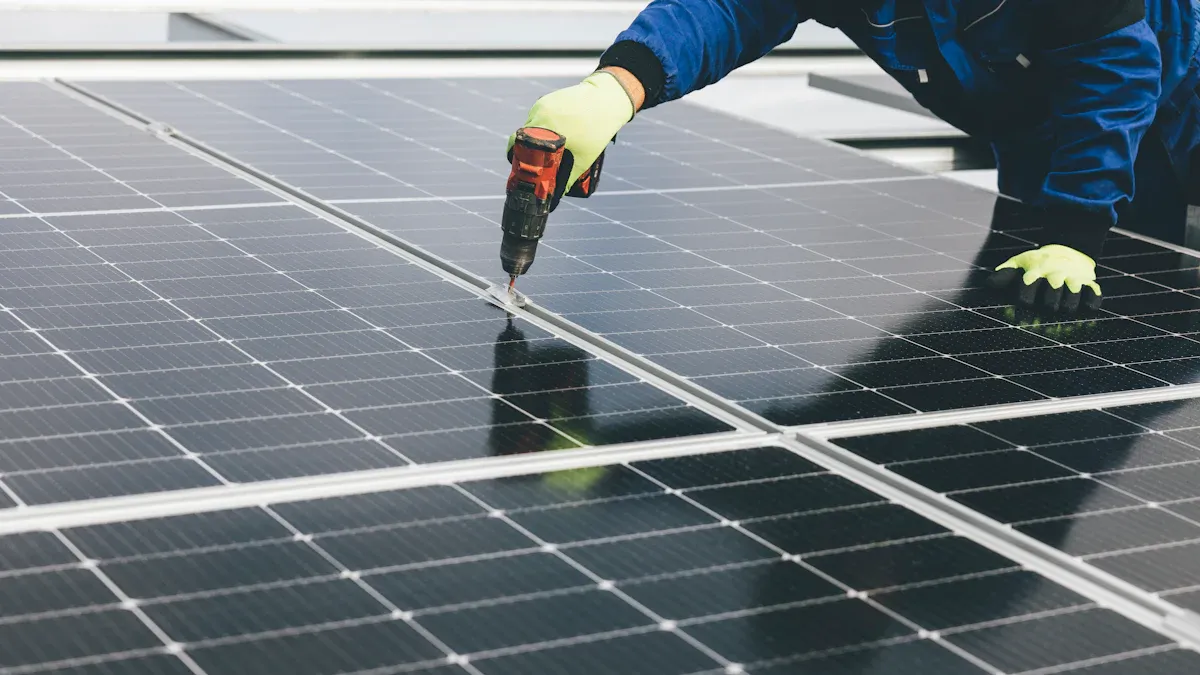
Commercial solar installers often choose Aluminum Alloy Cables for their projects. This preference is widespread in the industry. These cables offer clear benefits. They provide superior cost-effectiveness. Their performance is enhanced. Installation is also simpler. This combination makes them a leading choice.
Key Takeaways
- Aluminum alloy cables save money for solar projects. They cost less than copper and reduce theft risk.
- These cables are lighter and more flexible. This makes solar installation faster and easier for workers.
- Aluminum cables last long and resist corrosion. They are also good for the environment because they are recyclable.
Cost Efficiency and Material Advantages of Aluminum Alloy Cables

Significant Cost Savings on Materials
Commercial solar projects require many materials. Cables are a major part of this cost. Copper has been a traditional choice. However, copper is expensive. Aluminum is much more affordable. This difference in material cost is significant. Choosing aluminum can lower overall project expenses. Installers save money on the initial purchase. This helps make solar energy more accessible. It also improves project profitability.
Did you know? Aluminum is typically 30-50% lighter than copper for the same conductivity. This weight difference also contributes to lower shipping costs.
Reduced Risk of Theft
Copper cables are valuable. This makes them a target for thieves. Solar farms often have long runs of cables. These cables are sometimes in remote areas. Theft of copper cables can cause big problems. It leads to project delays. It also means extra costs for replacement. Aluminum is less attractive to thieves. Its scrap value is much lower than copper. Using Aluminum Alloy Cables reduces the risk of theft. This protects the investment. It also ensures projects stay on schedule. 🔒
Stable and Predictable Pricing
The price of copper can change a lot. It is a global commodity. Its price depends on many factors. These include mining output and world demand. This price volatility makes budgeting difficult. Project costs can go up unexpectedly. Aluminum prices are more stable. They do not fluctuate as much as copper prices. This stability helps solar installers. They can plan their budgets better. They know what to expect. Predictable pricing leads to more reliable project estimates. This makes financial planning easier for large-scale solar installations.
Enhanced Performance and Installation Benefits of Aluminum Alloy Cables

Lighter Weight for Easier Handling
Weight is an important factor in solar installations. Copper cables are heavy. This makes them hard to move. Aluminum Alloy Cables are much lighter. They weigh less than half of copper cables for the same electrical capacity. This lighter weight offers many advantages. Workers can carry more cable at once. This reduces the number of trips. It also lowers the risk of injury during installation. Lighter cables are easier to pull through conduits. They are also simpler to lift onto racks. This speeds up the entire installation process. Project timelines become shorter. Labor costs also decrease.
Tip: Lighter cables mean less strain on support structures, which can simplify design requirements for large solar arrays.
Improved Flexibility and Malleability
Cable flexibility is key for complex solar layouts. Copper cables can be stiff. They are harder to bend around corners. Aluminum Alloy Cables are more flexible. They are also more malleable. This means installers can bend them easily. They can shape them to fit tight spaces. This flexibility simplifies cable routing. It reduces the need for special tools. Installers can work faster. They can make cleaner installations. This improved workability saves time on site. It also reduces material waste from difficult bends.
Excellent Conductivity for Solar Applications
Electrical conductivity is crucial for solar power. Cables must carry electricity efficiently. They move power from solar panels to inverters. Aluminum has good conductivity. Aluminum alloy cables are designed for this purpose. They ensure minimal power loss. This means more electricity reaches the grid. For the same current, aluminum cables are often slightly larger in diameter than copper. This design ensures they perform well. They meet all electrical codes. They deliver reliable power output for solar farms.
Superior Strength and Durability
Solar installations are often outdoors. Cables face harsh weather. They need to be strong. They must last a long time. Aluminum Alloy Cables offer superior strength. The alloying process makes them tougher. They resist breaking. They also resist stretching. This durability is important for long cable runs. It helps them withstand wind and temperature changes. These cables maintain their integrity over decades. This ensures a long lifespan for the solar project. Their robust nature reduces maintenance needs. This adds to the overall reliability of the solar system.
Long-Term Reliability and Sustainability of Aluminum Alloy Cables

Corrosion Resistance in Outdoor Environments
Solar farms operate outdoors. Cables face many weather challenges. These include rain, humidity, and even salt air near coasts. Some metals can corrode or rust in these conditions. Aluminum is different. When aluminum touches air, it naturally forms a thin layer. This layer is called aluminum oxide. It acts like a protective shield. This shield stops further corrosion. This makes aluminum an excellent choice for outdoor use. It helps Aluminum Alloy Cables last longer. They perform well even in harsh environments. This protection ensures the solar farm stays reliable for many years.
Proven Longevity in Solar Farms
Solar power projects are long-term investments. They need to last for decades. The cables used must also perform for a very long time. Aluminum Alloy Cables have a strong history. They have been used in many solar farms around the world. These cables show consistent performance over time. This track record proves their reliability. Installers trust these cables. They know the cables will deliver power steadily. This long lifespan means fewer replacements. It also means less maintenance. This adds to the overall success of solar energy systems.
Environmental Benefits and Recyclability
Sustainability is a core value for solar energy. Aluminum offers significant environmental benefits. It is a very common metal on Earth. Producing aluminum requires less energy compared to copper for the same electrical capacity. This means a smaller carbon footprint during manufacturing. Even better, aluminum is highly recyclable. Recycling aluminum uses much less energy than making new aluminum. This reduces waste. It also saves natural resources. Choosing aluminum for Solar Cables supports green initiatives. It helps make solar power even more environmentally friendly. ♻️
Specific Scenarios Favoring Copper
While aluminum is often the best choice, copper still has its place. There are specific situations where copper cables are preferred. For example, sometimes space is extremely limited. Copper has higher electrical conductivity for its size. This means a smaller diameter copper cable can carry the same amount of current as a larger aluminum cable. In very tight conduits or small equipment enclosures, copper might be necessary. Also, some older electrical systems or specialized components are designed specifically for copper connections. This ensures compatibility and proper function. However, these are usually niche cases. For most large-scale commercial solar arrays, aluminum remains the preferred material.
Aluminum Alloy Cables offer an optimal balance of economic, operational, and environmental benefits. Their advantages directly contribute to the efficiency and profitability of commercial solar installations. This makes them a strategic choice for modern solar projects. Installers gain cost savings and reliable performance. This ensures long-term success.
FAQ
Is aluminum alloy cable safe for solar projects?
Yes, aluminum alloy cables are very safe. They meet strict industry standards. Their design ensures reliable and secure power transmission.
Why are aluminum cables more cost-effective than copper?
Aluminum is a more abundant metal. Its raw material cost is lower. This makes aluminum cables significantly cheaper than copper cables.
Do aluminum cables have any disadvantages compared to copper?
Aluminum cables are slightly larger for the same current. This means they need more space. However, their benefits often outweigh this small difference.