

 Send Email
 Whatsapp


Comparing Aluminum Alloy vs. Copper Cables for Solar Farms
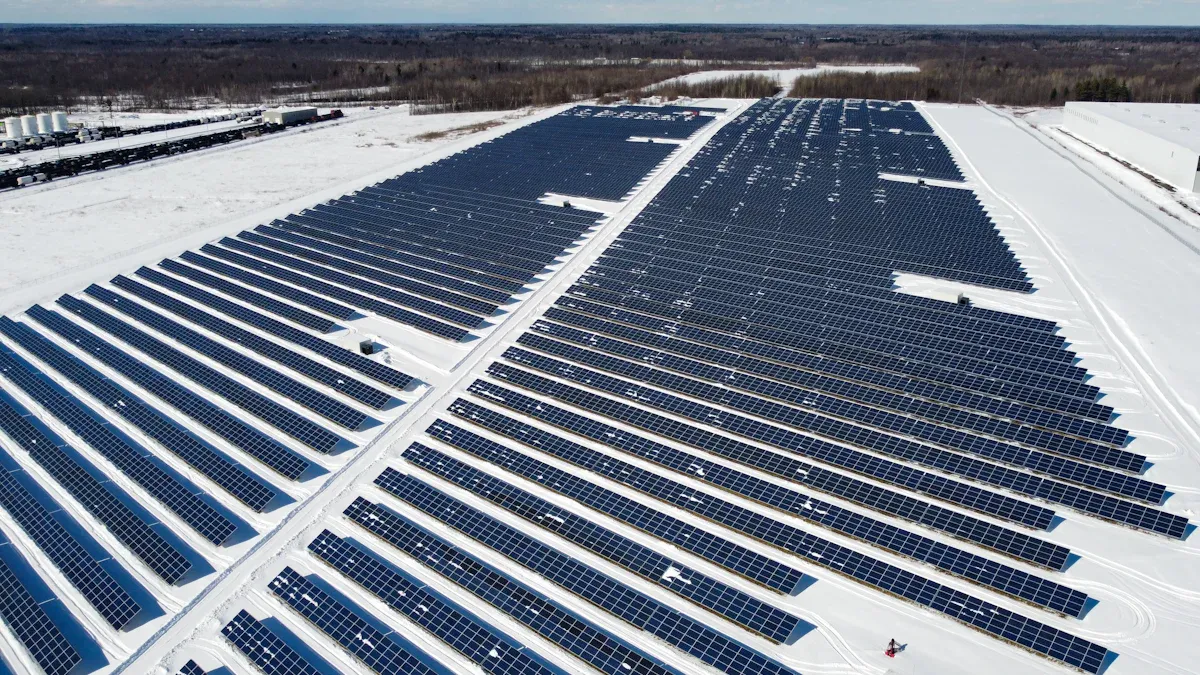
The optimal cable choice for solar farms is not universal. It depends on specific project priorities. Selecting between aluminum alloy and copper cables requires balancing initial investment with long-term operational efficiency. Understanding cost, performance, durability, and safety trade-offs, particularly for photovoltaic Aluminum Alloy Cable, is crucial for informed decisions.
Key Takeaways
- Copper cables are better at carrying electricity and last longer, but they cost more money at first.
- Aluminum alloy cables cost less and are lighter, but they need careful installation to work well and last a long time.
- Choosing the right cable depends on your project's budget, size, and how important long-term efficiency is to you.
Electrical Performance: Conductivity and Efficiency
Copper's Superior Conductivity
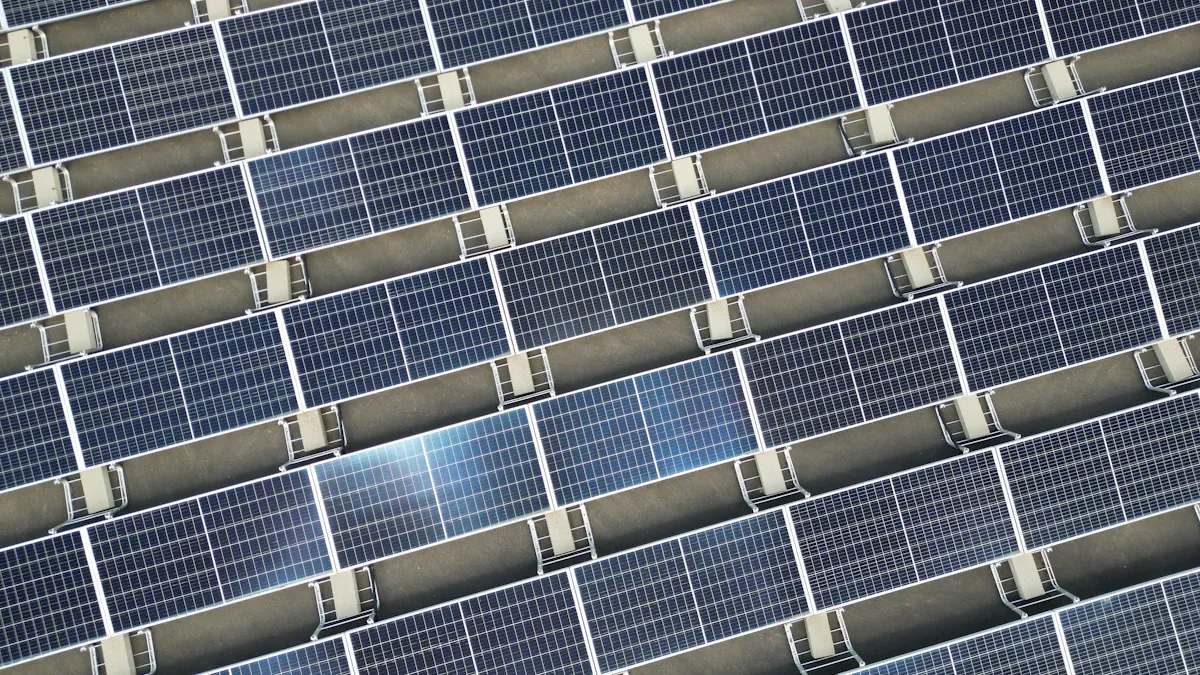
Copper stands out as an excellent electrical conductor. It allows electric current to flow with minimal resistance. This high conductivity means copper cables can transmit a significant amount of power. They achieve this within a relatively compact physical size. This inherent efficiency makes copper a preferred material for many electrical applications.
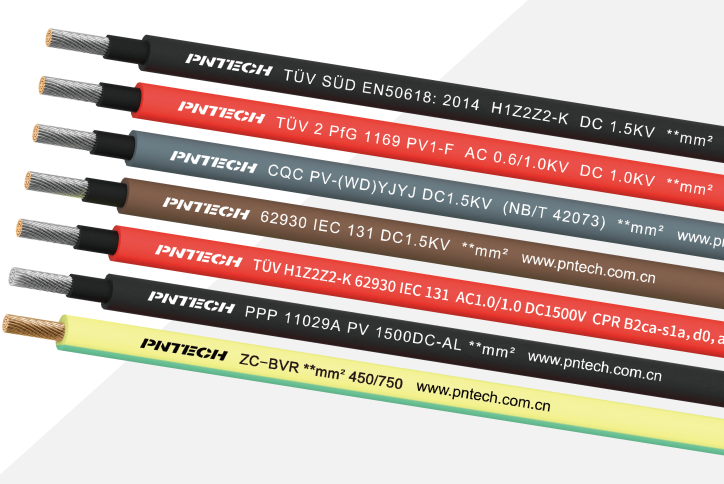
Photovoltaic Aluminum Alloy Cable Conductivity Requirements
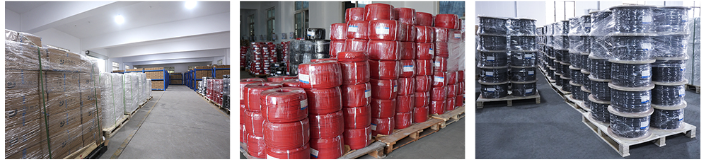
Aluminum possesses lower electrical conductivity compared to copper. To compensate for this, aluminum cables must have a larger cross-sectional area. This increased size allows them to carry the same electrical current safely. Specific industry standards govern the conductivity requirements for photovoltaic Aluminum Alloy Cable. These standards ensure reliable and efficient power transmission in solar installations. Engineers must meticulously calculate cable dimensions for optimal performance.
Voltage Drop and Energy Loss
Electricity experiences a reduction in voltage as it travels through a cable. This phenomenon is known as voltage drop. Cables with higher electrical resistance contribute to greater voltage drop. Aluminum cables, being less conductive, exhibit higher resistance than copper cables of equivalent size. Consequently, more energy is lost as heat over longer distances. These energy losses directly impact the overall efficiency of a solar farm. Larger cable diameters can mitigate voltage drop, but this increases material and installation expenses.
Heat Resistance and Ampacity Ratings
The flow of electrical current through any conductor generates heat. This heat production is a direct result of electrical resistance. Copper cables generate less heat for a given current load. They also dissipate heat more effectively than aluminum. Aluminum cables, conversely, produce more heat for the same current. This characteristic limits their ampacity, or maximum current-carrying capacity. The thermal properties of photovoltaic Aluminum Alloy Cable also require careful consideration. Proper cable sizing is essential to prevent overheating. Overheating can degrade cable insulation and shorten the lifespan of the entire system.
Mechanical Properties: Durability and Installation

Weight and Ease of Installation
Aluminum alloy cables offer a significant weight advantage. They are considerably lighter than copper cables. This reduced weight simplifies transportation to solar farm sites. It also makes installation easier for crews. Lighter cables can decrease the need for heavy lifting equipment. This can lower overall installation costs and time. Copper cables are denser. Their weight can increase labor requirements.
Flexibility and Handling Characteristics
Copper is known for its excellent flexibility. It bends easily without damage. This makes routing copper cables simpler around obstacles. It also helps in tight spaces. Aluminum alloy cables are generally stiffer. They require larger bending radii. This characteristic can complicate installation. Careful planning is essential for cable pathways. Improper bending can damage aluminum conductors.
Corrosion Resistance in Solar Environments
Solar farms operate outdoors. Cables face harsh environmental conditions. Copper exhibits superior corrosion resistance. It forms a stable protective oxide layer. This layer prevents further degradation. Aluminum can be more susceptible to corrosion. Especially galvanic corrosion at connection points. This occurs when dissimilar metals meet. Proper connectors and sealing are critical for aluminum alloy cables. This ensures long-term reliability in humid or salty air.
Tensile Strength and Mechanical Durability
Tensile strength measures a material's resistance to breaking under tension. Copper possesses higher tensile strength. It withstands pulling forces better. This makes copper cables more robust. They are less prone to damage during installation. Aluminum alloy cables have lower tensile strength. They require more careful handling. They also need more support structures. This prevents sagging or stretching over long spans. This impacts the overall mechanical durability of the system.
Cost Analysis: Initial Investment vs. Long-Term Value
Choosing cables for a solar farm involves more than just the upfront price. A thorough cost analysis considers both initial investment and long-term value. This approach helps project developers make financially sound decisions.
Material Costs of Copper vs. Photovoltaic Aluminum Alloy Cable
Copper is a premium metal. Its market price is generally higher than aluminum. This makes copper cables more expensive per unit of weight. However, aluminum has lower electrical conductivity. To carry the same current, aluminum cables must have a larger cross-sectional area. This means more aluminum material is needed compared to copper. Even with this larger size, the raw material cost for aluminum cables is often lower than for copper cables. This initial material cost difference is a primary factor in project budgeting.
Installation Labor and Equipment Costs
The weight of the cable directly impacts installation costs. Aluminum alloy cables are significantly lighter than copper cables. This weight difference reduces the effort needed for transportation. It also lowers the labor required for pulling and positioning cables on site. Lighter cables may also reduce the need for heavy lifting equipment. This can lead to savings in equipment rental and operational costs. However, aluminum's stiffness can sometimes make it harder to bend. This might require more careful handling or specialized tools during installation. Proper connection techniques for photovoltaic Aluminum Alloy Cable are also crucial. These techniques can sometimes add to labor time.
Long-Term Operational and Maintenance Expenses
Operational efficiency directly affects long-term costs. Copper cables have lower electrical resistance. They experience less voltage drop and energy loss over time. This means more power reaches the grid, increasing revenue. Aluminum cables, with higher resistance, can lead to greater energy losses. These losses are an ongoing operational expense. Maintenance costs also differ. Copper connections are generally more stable. They require less frequent inspection or repair. Aluminum connections can be more susceptible to issues like thermal expansion and corrosion. These issues may necessitate more frequent maintenance. This increases the long-term operational budget.
Return on Investment Considerations
Evaluating the return on investment (ROI) requires a holistic view. Projects must weigh the lower initial cost of aluminum against the potential for higher long-term energy losses. They must also consider increased maintenance for aluminum. Copper's higher initial cost can be offset by its superior efficiency. It also offers greater reliability and lower maintenance over the solar farm's lifespan. The choice often depends on the project's financial model. Some projects prioritize low upfront capital expenditure. Others focus on maximizing long-term operational profits. A detailed total cost of ownership (TCO) analysis is essential. This analysis helps determine which cable type offers the best financial outcome for a specific solar farm project.
Safety and Longevity: Connection Stability and Risks
Thermal Expansion and Connection Reliability
Materials expand and contract with temperature changes. Copper and aluminum have different thermal expansion rates. This difference can affect cable connections. Copper connections remain stable across temperature swings. Aluminum expands more than copper. This can loosen connections over time if not managed properly. Loose connections create resistance and heat. This can lead to system failures.
Fire Resistance and Safety Standards
Cable materials react differently to heat and fire. Copper has a higher melting point than aluminum. It generally performs better in high-temperature situations. Safety standards dictate cable performance in fire. Cables must meet specific fire resistance ratings. This ensures safety in solar farm installations. Proper cable selection helps prevent fire hazards.
Connection Stability for Photovoltaic Aluminum Alloy Cable
Ensuring stable connections is vital for photovoltaic Aluminum Alloy Cable. Aluminum's thermal expansion requires specialized connectors. These connectors are designed to maintain tight contact. They prevent oxidation and reduce resistance. Proper installation techniques are crucial. This ensures long-term reliability and safety. Regular inspections can also help identify potential issues early.
Theft Risk and Security Implications
The value of cable materials impacts security. Copper has a high scrap value. This makes copper cables a target for theft. Solar farms using copper cables may need enhanced security measures. Aluminum has a much lower scrap value. This reduces its appeal to thieves. Using aluminum cables can lower the risk of material theft. This can save on security costs and reduce project downtime.
Project Suitability: When to Choose Each Cable Type
Selecting the right cable type depends on specific project needs. Each solar farm has unique requirements. Understanding these differences helps in making informed decisions.
Large-Scale Utility Solar Farms
Large-scale utility solar farms often cover vast areas. They require extensive cabling. Here, cost-effectiveness is a major factor. Aluminum alloy cables offer significant material cost savings. Their lighter weight also reduces installation expenses. This makes them attractive for projects with long cable runs. The lower theft risk of aluminum is another benefit for large, remote sites.
Distributed Generation and Rooftop Systems
Distributed generation and rooftop systems are typically smaller. They have shorter cable runs. Space constraints are often present. Copper cables are often preferred in these applications. Their superior conductivity allows for smaller cable diameters. This saves space. Copper's flexibility also simplifies installation in tight areas. Its higher durability ensures long-term reliability for these systems.
Environmental Conditions and Cable Selection
Environmental factors play a crucial role. Areas with high humidity or corrosive elements need careful consideration. Copper offers excellent corrosion resistance. This makes it suitable for harsh environments. Aluminum alloy cables require specialized connectors and proper sealing. This prevents galvanic corrosion. Extreme temperature fluctuations also impact cable choice. Thermal expansion differences must be managed.
Budget Constraints and Project Scale
Budget constraints heavily influence cable selection. Projects with tight upfront budgets may lean towards aluminum alloy cables. They offer lower initial material costs. However, project scale also matters. For very large projects, the cumulative savings from aluminum can be substantial. Smaller projects might find the long-term benefits of copper outweigh its higher initial price. This includes better efficiency and lower maintenance.
The optimal cable choice for a solar farm aligns with specific project needs. Copper offers superior conductivity and durability, often justifying its higher initial cost for long-term performance. Photovoltaic Aluminum Alloy Cable provides cost-effectiveness and lighter weight, suitable for certain applications. Proper installation of photovoltaic Aluminum Alloy Cable is crucial. A thorough evaluation of electrical, mechanical, cost, and safety factors is essential for an informed decision.
FAQ
What is the most cost-effective cable for solar farms?
Aluminum alloy cables generally offer lower initial material costs. However, copper can provide better long-term value through higher efficiency and reduced maintenance.
Is photovoltaic Aluminum Alloy Cable safe for solar installations?
Yes, photovoltaic Aluminum Alloy Cable is safe when properly installed with specialized connectors. These ensure stable connections and mitigate thermal expansion issues.
When is copper cable the preferred choice for solar projects?
Copper is preferred for projects prioritizing maximum efficiency, durability, and minimal maintenance. It is also ideal for distributed generation and systems with tight space constraints.