
 Send Email
 Whatsapp


Best PV Cables for Harsh Weather Conditions
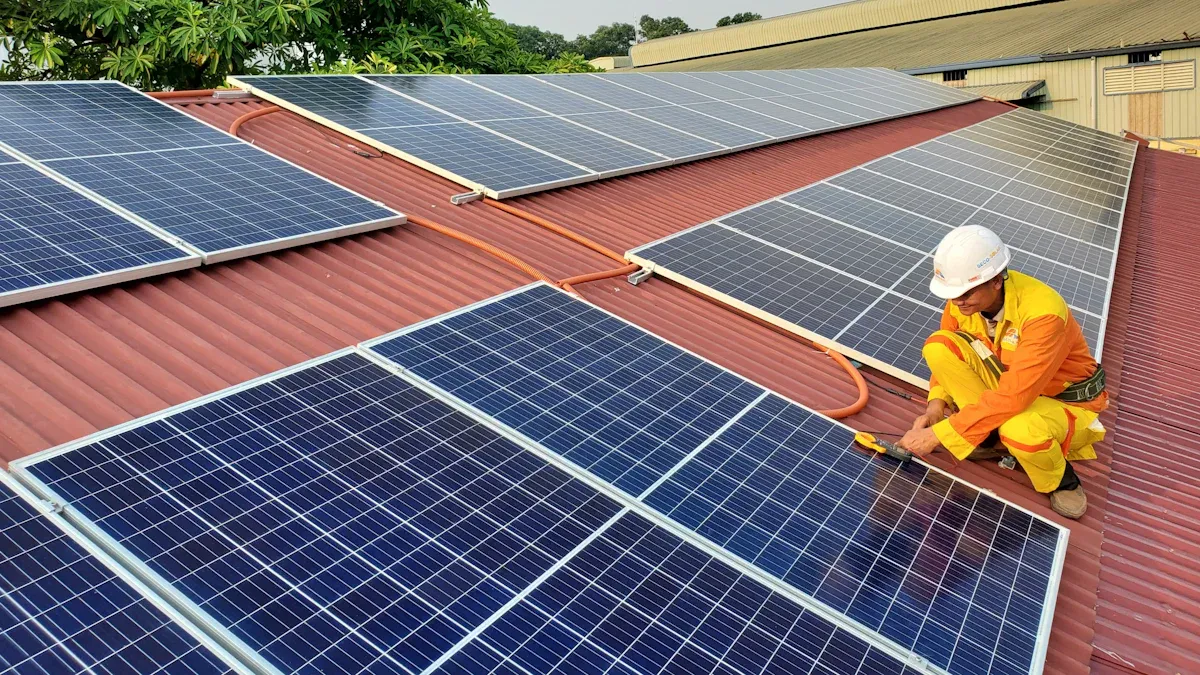
You need the right solar cable for tough weather. The Best Solar Cables feature advanced insulation, jacketing, and conductor materials. They endure extreme temperatures, intense UV radiation, and high moisture. These cables also withstand significant mechanical stress. This ensures your solar installation's long-term reliability and safety.
Key Takeaways
- Choose solar cables with strong insulation and tough outer jackets. These materials protect against extreme heat, cold, and sunlight.
- Look for cables that meet specific standardslike Ul 4703 or EN 50618. These cables resist UV rays, water, and physical damage.
- Install solar cables carefully. Use proper cable management, protective conduits, and waterproof connectors. This helps your solar system last a long time.
Understanding Harsh Weather Challenges for Solar Cable Durability
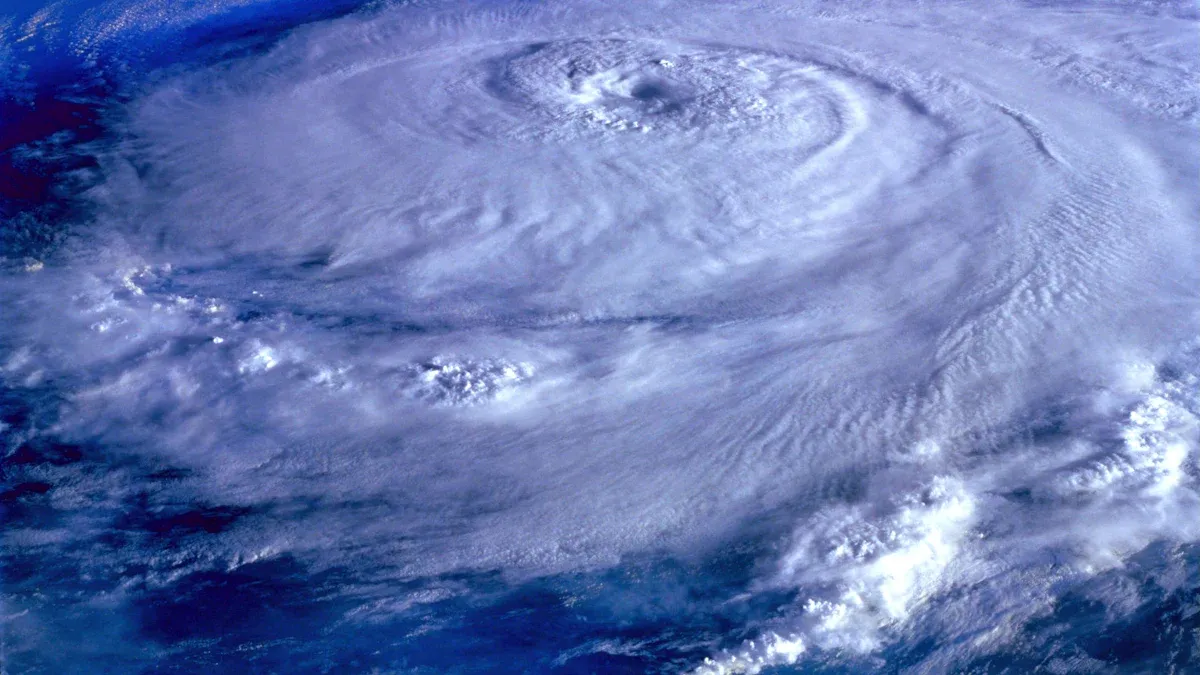
You need to understand the constant threats your solar cables face. Harsh weather conditions relentlessly test their durability. These challenges directly impact the long-term performance and safety of your solar installation.
Extreme Temperatures Impact on Solar Cable Performance
Extreme temperatures pose a significant threat. High heat can accelerate the aging of insulation materials. This makes them less effective. Very cold temperatures can make cable jackets brittle. They become prone to cracking. Frequent temperature changes cause materials to expand and contract. This creates internal stress over time.
UV Radiation Degradation of Solar Cable Materials
Sunlight contains powerful UV radiation. This radiation directly attacks cable materials. Over time, UV rays cause outer jackets to degrade. You will see fading, cracking, and a loss of flexibility. This weakens the cable's protective layers.
Moisture and Humidity Risks for Solar Cable Integrity
Water and high humidity are also major concerns. Moisture can seep into damaged insulation. It can reach the conductor. This leads to corrosion. Corrosion reduces the cable's ability to carry current. It also increases the risk of electrical shorts.
Mechanical Stress on Solar Cable from Environmental Factors
Environmental factors also create mechanical stress. Strong winds can cause cables to rub against surfaces. This leads to abrasion. Ice and snow add significant weight. This puts strain on cable supports. Animals can also chew through protective layers. All these factors compromise the integrity of your solar cable.
Key Characteristics of Superior Solar Cable for Harsh Conditions
You need to know what makes a solar cable truly superior for tough environments. These specific features ensure your system works well for many years. You should look for these qualities when you choose your cables.
Advanced Insulation Materials for Solar Cable
The insulation layer protects the conductor inside the cable. It prevents electrical shorts. Superior cables use advanced materials like cross-linked polyethylene (XLPE) or ethylene propylene rubber (EPR). These materials offer excellent electrical properties. They also resist high temperatures. You get stable performance even when the sun beats down. These insulations also stand up to chemicals. This means they will not break down easily.
Robust Jacketing Materials for Solar Cable Protection
The outer jacket is the cable's first line of defense. It takes all the abuse from the weather. High-quality jackets use materials such as specialized polyolefins or PVDF (polyvinylidene fluoride). These materials resist cuts and scrapes. They also stand up to oil and chemicals. You will find these jackets do not crack or become brittle in extreme cold. They also resist flames. This adds an important safety layer to your installation.
High-Quality Conductors in Solar Cable for Corrosion Resistance
The conductor carries the electricity. You want a conductor that resists corrosion. Most high-quality cables use fine-stranded copper. Copper conducts electricity very well. For even better protection, look for tin-plated copper conductors. The tin coating prevents oxidation. This is especially important in humid or salty air. Corrosion increases resistance. It can lead to power loss. You avoid these problems with superior conductors.
Wide Operating Temperature Ratings for Solar Cable
Extreme temperatures challenge any material. A superior solar cable handles a very wide temperature range. You will see ratings like -40°C to +90°C, or even higher. This means the cable stays flexible in freezing cold. It also maintains its integrity in scorching heat. You prevent the insulation from cracking in winter. You stop the jacket from melting or degrading in summer.
UV Resistance Standards and Certifications for Solar Cable
Ultraviolet (UV) radiation from the sun damages many materials. You need cables specifically designed to resist UV. Look for certifications like UL 4703 or EN 50618. These standards mean the cable has passed rigorous tests. It will not degrade quickly under constant sunlight exposure. You ensure the cable's outer jacket remains strong and protective. This prevents early failure.
Water and Moisture Resistance of Solar Cable (IP Ratings)
Water and humidity can cause serious problems. You need cables that keep water out. Ingress Protection (IP) ratings tell you how well a cable resists solids and liquids. For water resistance, focus on the second digit of the IP rating. For example, an IP67 or IP68 rating means the cable is highly resistant to water immersion. You prevent moisture from reaching the conductor. This stops corrosion and electrical hazards.
Mechanical Durability of Solar Cable
Your cables face physical stress. This includes wind, ice, and even animals. Superior cables offer excellent mechanical durability. They resist abrasion. They can handle impacts. They also resist crushing forces. You get a cable that stands up to installation stresses. It also withstands environmental wear and tear. This ensures the cable's physical integrity over its long lifespan.
Top Solar Cable Types Recommended for Harsh Environments
You need to choose the right cable for your solar project. Specific types of solar cable perform best in tough conditions. These cables meet strict standards. They offer superior protection and reliability.
UL 4703 PV Wire for Solar Applications
UL 4703 PV Wire is a common choice in North America. This standard specifically covers photovoltaic (PV) wire. It ensures the cable meets safety and performance requirements for solar systems. You will find this wire has excellent resistance to sunlight. It also handles extreme temperatures well. The insulation and jacket materials are tough. They resist abrasion and moisture. This makes UL 4703 PV Wire a reliable option for outdoor solar installations. It works well on rooftops and in open fields.
EN 50618 H1Z2Z2-K Solar Cable Standard
The EN 50618 H1Z2Z2-K standard is widely used in Europe and other regions. This is a high-performance cable designed for solar power systems. It offers enhanced safety features. You get improved fire resistance. It also has very low smoke emission if it burns. This cable resists UV radiation and ozone. It also handles extreme temperatures. The H1Z2Z2-K cable is halogen-free. This means it releases fewer toxic fumes in a fire. This standard ensures your solar cable can withstand harsh environmental conditions. It also provides an extra layer of safety.
Specialized Industrial-Grade Solar Cable Options
Sometimes, standard PV wires are not enough. You might face extremely harsh industrial environments. These places need specialized industrial-grade solar cable options. For example, you might need armored cables. These cables have an extra metal layer. This layer protects against physical damage. You might also need cables that resist specific chemicals or oils. Some environments require cables with enhanced fire resistance. These cables can maintain circuit integrity longer during a fire. Always assess your specific site conditions. Then, choose a cable designed for those unique challenges.
Solar Cable Sizing and Voltage Drop in Extreme Conditions
Correct cable sizing is always important. It becomes even more critical in extreme weather. High temperatures increase the electrical resistance of a cable. This means the cable can carry less current safely. It also leads to a greater voltage drop. A larger voltage drop means you lose more power. You must account for these factors when you size your cables. Use appropriate derating factors for high temperatures. This ensures your cables do not overheat. It also minimizes power loss. Always consult sizing charts and local electrical codes. This guarantees your system operates efficiently and safely.
Installation Best Practices for Solar Cable Longevity
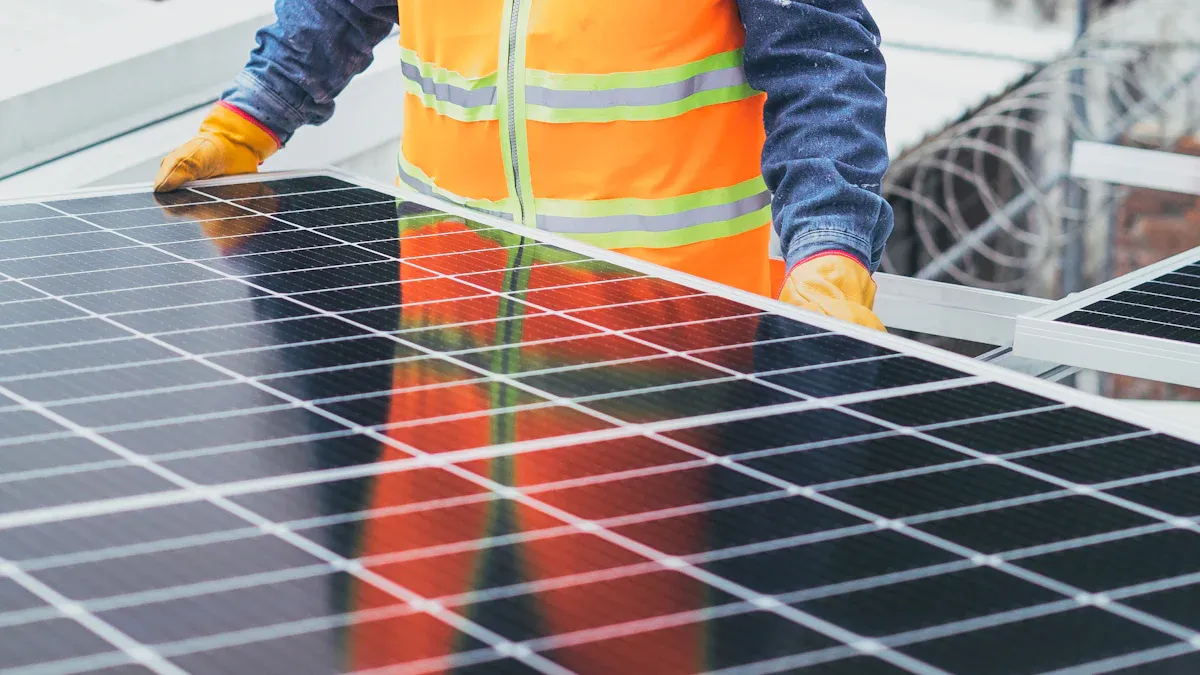
You install your solar system for the long term. Proper installation practices are just as important as choosing the right cables. These steps ensure your cables perform well for many years.
Proper Solar Cable Management Techniques
You must manage your cables well. Avoid sharp bends. These bends can damage the cable's internal structure. Use appropriate cable ties. Do not overtighten them. Overtightening can pinch the insulation. Route cables away from sharp edges. This prevents abrasion. Proper management extends cable life.
Conduit and Cable Tray Selection for Solar Cable Protection
Protect your cables physically. Use conduits or cable trays. Conduits shield cables from physical impact. They also protect against UV and moisture. Choose UV-resistant conduits. Cable trays support cables. They prevent sagging. Select materials that match your environment.
IP-Rated, UV-Resistant Connectors for Solar Cable
Connectors are critical points. They must match your cable's durability. Use IP-rated connectors. These connectors keep out water and dust. Ensure they are UV-resistant. This prevents degradation from sunlight. Proper connections prevent system failures.
Regular Inspection and Maintenance of Solar Cable Systems
Inspect your solar cable system regularly. Look for signs of wear. Check for cracks in insulation. Look for rodent damage. Tighten loose connections. Clean any debris from cable pathways. Early detection of issues prevents bigger problems. This ensures your system lasts.
You must choose the right solar cables. They need superior insulation, jacketing, and conductors. These materials are designed for harsh conditions. This ensures your solar system performs well. It also stays safe and reliable for many years.
FAQ
What is the most important feature for a solar cable in harsh weather?
You need advanced insulation and a robust jacket. These protect against extreme temperatures, UV, moisture, and physical damage.
Why is UV resistance so important for solar cables?
UV radiation degrades cable jackets. This causes cracking and loss of protection. UV-resistant cables maintain their integrity longer.
Can I use regular electrical wire for my solar panels?
No, you should not. Regular wire lacks the necessary UV, temperature, and moisture resistance. Use certified PV wire for safety and longevity.