

 Send Email
 Whatsapp


Do I need to ground my solar system?
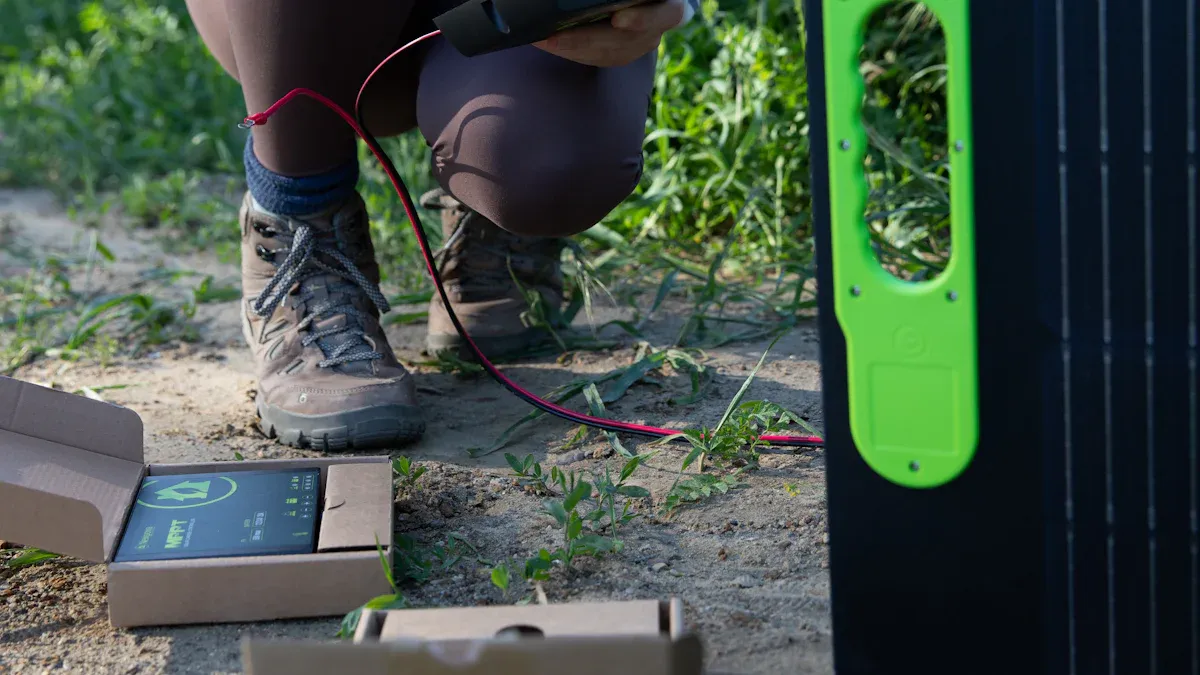
Grounding your solar system keeps your home safe and your equipment secure. It directs stray electricity safely into the earth, reducing risks like shocks and fires. Using a ground wire for solar ensures proper functioning and shields your system from electrical surges. A grounded setup also meets safety standards and boosts overall reliability.
Key Takeaways
- Grounding a solar system makes it safer by sending extra electricity into the ground. This stops shocks and fires.
- A good grounding system keeps your equipment safe from power surges. It also lowers repair costs.
- Checking and fixing your grounding system often helps it work well and follow safety rules.
Benefits of Grounding
Enhances Safety
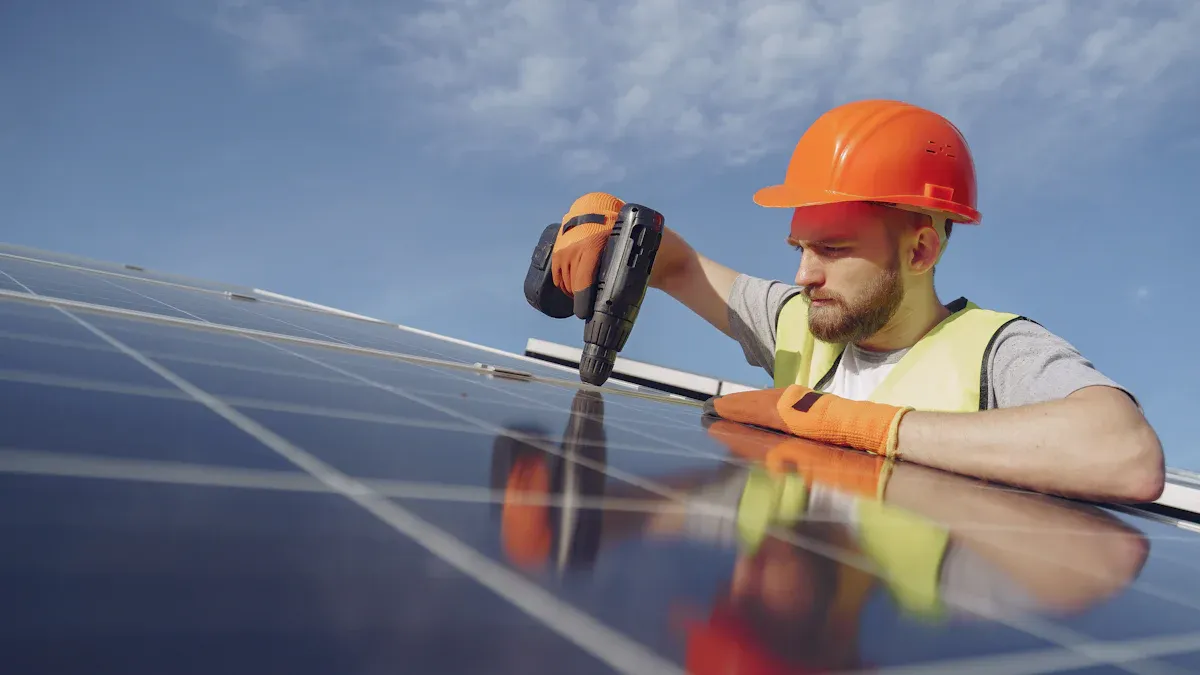
Grounding your solar system plays a critical role in keeping you and your property safe. It provides a direct path for stray electrical currents to flow into the earth. This prevents dangerous situations like electric shocks or fires. For example, if lightning strikes your solar panels, a grounded system safely redirects the surge away from your home. Without grounding, these electrical surges could damage your equipment or even cause harm to anyone nearby. By grounding your system, you create a safer environment for your family and your property.
Protects Against Electrical Surges
Electrical surges can occur due to lightning strikes, power grid fluctuations, or faults in your solar system. These surges can damage sensitive components like inverters and batteries. A properly grounded system acts as a shield, protecting your equipment from these sudden spikes in voltage. The ground wire for solar systems ensures that excess electricity is safely discharged into the earth. This not only protects your investment but also reduces the risk of costly repairs or replacements.
Improves System Performance
A grounded solar system operates more efficiently. Grounding helps stabilize the electrical flow within your system, reducing the risk of interruptions or malfunctions. When your system is grounded, it minimizes interference from external electrical sources. This ensures that your solar panels and other components work at their best. Additionally, a stable system means you can enjoy consistent energy production without unexpected downtime.
Ensures Compliance with Electrical Codes
Most local and national electrical codes require solar systems to be grounded. These regulations are in place to protect homeowners and ensure the safe operation of electrical systems. By grounding your solar setup, you comply with these standards and avoid potential legal or insurance issues. Installing a ground wire for solar systems is not just about safety; it’s also about meeting these important requirements. Always check your local codes to ensure your system is up to standard.
Types of Grounding
Grounding your solar system involves different methods, each serving a unique purpose. Understanding these types helps you choose the best option for your setup.
Chassis Grounding
Chassis grounding connects the metal parts of your solar system, like the panel frames and inverter casing, to the ground. This prevents electrical shocks if a fault occurs. For example, if a wire inside the inverter touches the metal casing, the grounding system safely redirects the current. You protect yourself and your equipment by ensuring all exposed metal components are grounded.
Electrical Grounding
Electrical grounding focuses on stabilizing the flow of electricity within your system. It connects the electrical circuits to the ground, reducing the risk of voltage fluctuations. This type of grounding ensures your solar system operates smoothly and minimizes interference from external electrical sources. Using a ground wire for solar systems is essential for this process, as it safely channels excess electricity into the earth.
Earth Grounding
Earth grounding involves connecting your solar system directly to the earth. This method provides a safe path for stray currents, especially during lightning strikes. It’s one of the most effective ways to protect your system from electrical surges. You can achieve earth grounding by installing grounding rods deep into the soil, ensuring a secure connection.
Isolated Grounding
Isolated grounding separates the grounding system from other electrical systems in your home. This method is ideal for sensitive equipment that requires minimal interference. By isolating the ground, you reduce the risk of electrical noise affecting your solar system’s performance. This approach is often used in advanced setups where precision is critical.
💡 Tip: Always consult a licensed electrician to determine the best grounding method for your solar system.
How to Ground Your Solar System
Identify Your System's Grounding Needs
Before grounding your solar system, you need to assess its specific requirements. Start by reviewing the manufacturer’s guidelines for your solar panels, inverter, and other components. These instructions often include grounding recommendations tailored to your equipment. Next, check your local electrical codes to ensure compliance with safety standards. Different regions may have unique rules for grounding solar systems.
Consider the size and type of your solar setup. For example, a small residential system may require simpler grounding compared to a large commercial installation. Identifying these needs helps you plan the process effectively and ensures your system operates safely and efficiently.
💡 Tip: Keep a checklist of your system’s components and their grounding requirements to stay organized.
Choose the Right Ground Wire for Solar
Selecting the correct ground wire for solar is crucial for a safe and effective grounding system. The ground wire connects your solar components to the earth, providing a path for stray electricity. When choosing a wire, consider its material, size, and insulation. Copper is a popular choice due to its excellent conductivity and durability. Aluminum is another option, though it may require special connectors to prevent corrosion.
The wire size depends on the current-carrying capacity of your system. A larger system may need thicker wires to handle higher currents. Always refer to your local electrical codes for guidance on wire sizing. Additionally, ensure the wire has proper insulation to withstand outdoor conditions like heat, moisture, and UV exposure.
⚠️ Note: Using the wrong ground wire can compromise your system’s safety and performance. Consult a professional if you’re unsure about the best option.
Install Grounding Components
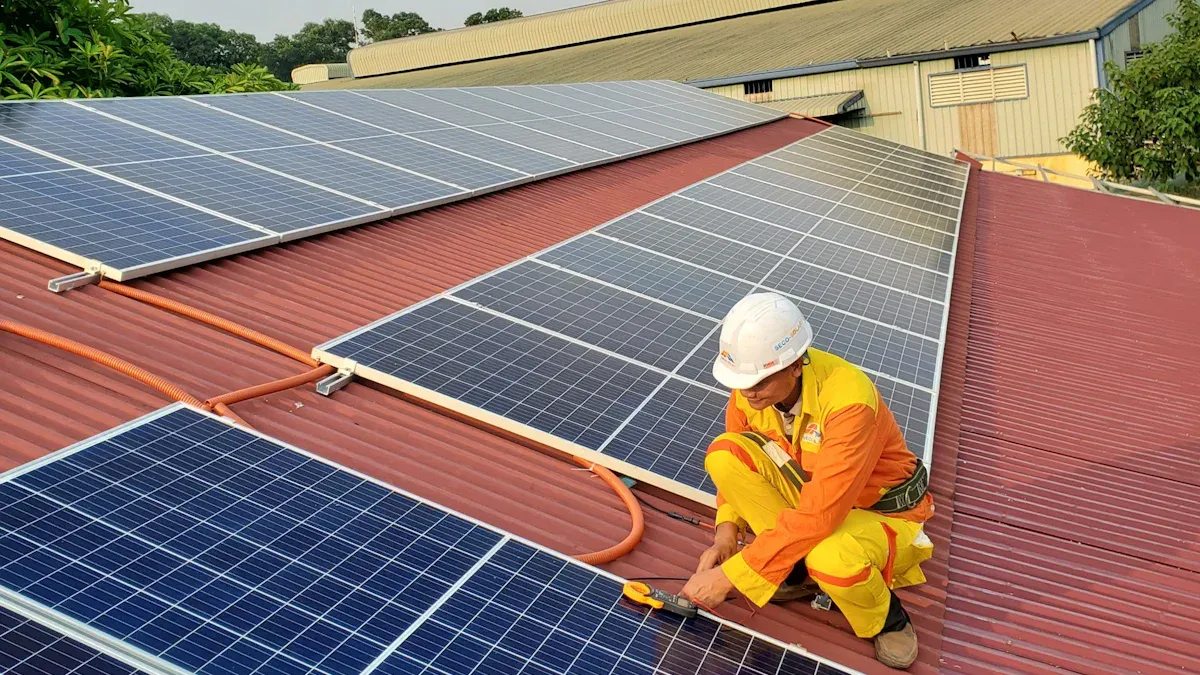
Once you’ve identified your system’s needs and selected the right ground wire for solar, it’s time to install the grounding components. Start by attaching the ground wire to your solar panels, inverter, and other metal parts. Most solar panels have grounding lugs or terminals for this purpose. Secure the connections tightly to ensure a reliable path for electricity.
Next, connect the ground wire to a grounding rod. Drive the rod deep into the soil to establish a strong connection with the earth. Use clamps to attach the wire to the rod securely. If your system requires multiple grounding rods, space them apart and connect them with a bonding wire.
Finally, double-check all connections to make sure they are tight and free from corrosion. A loose or damaged connection can weaken the grounding system and increase the risk of electrical hazards.
Test and Inspect the Grounding System
After installation, testing your grounding system ensures it functions correctly. Use a multimeter or grounding tester to measure the resistance between the ground wire and the earth. A low resistance value indicates a strong connection. If the resistance is too high, inspect the connections and grounding rod for issues.
Regular inspections are equally important. Over time, weather conditions and wear can affect your grounding system. Check for signs of corrosion, loose connections, or damaged wires. Address any problems immediately to maintain the system’s safety and performance.
🔧 Pro Tip: Schedule annual inspections to keep your grounding system in top condition. This simple step can save you from costly repairs in the future.
Best Practices for Grounding
Use High-Quality Materials
Using high-quality materials ensures your grounding system remains reliable over time. Choose durable components like copper or tinned copper wires for excellent conductivity and resistance to corrosion. Avoid cutting corners with cheaper materials, as they may degrade quickly and compromise safety. For grounding rods, select galvanized steel or copper-clad steel for long-lasting performance.
💡 Tip: Look for materials that meet industry standards, such as UL-listed wires and connectors, to guarantee quality and compliance.
Keep Grounding Connections Short and Direct
Short and direct grounding connections improve the efficiency of your system. A shorter path reduces resistance, allowing stray currents to flow into the earth more effectively. Avoid unnecessary bends or loops in the ground wire, as these can weaken the connection.
When planning your setup, position the grounding rod as close as possible to your solar system. This minimizes the length of the ground wire and enhances the system’s overall safety.
⚠️ Note: Long or tangled wires increase the risk of electrical interference and reduce grounding effectiveness.
Perform Regular Inspections and Maintenance
Regular inspections keep your grounding system in top condition. Over time, weather and wear can damage wires, connectors, or grounding rods. Check for signs of corrosion, loose connections, or physical damage. Address any issues immediately to maintain safety and performance.
Create a maintenance schedule to inspect your system at least once a year. After severe weather events, such as storms or lightning strikes, perform additional checks to ensure everything remains intact.
🔧 Pro Tip: Use a multimeter to test the resistance of your grounding system during inspections. A low resistance value indicates a strong connection.
Consult a Licensed Electrician When in Doubt
If you’re unsure about any aspect of grounding, consult a licensed electrician. Professionals have the expertise to assess your system and recommend the best solutions. They can also ensure your setup complies with local electrical codes and safety standards.
Attempting to ground your system without proper knowledge can lead to mistakes that compromise safety. Hiring an expert gives you peace of mind and protects your investment.
💬 Reminder: Always prioritize safety by seeking professional help when needed. It’s better to ask questions than risk improper installation.
Grounding your solar system ensures safety, boosts performance, and meets regulations. By applying proper methods, you protect your equipment and maintain reliability.
💡 Tip: Always prioritize safety. If unsure, consult a licensed electrician to avoid mistakes. Professional guidance ensures your system operates effectively and complies with local codes.
FAQ
What happens if I don’t ground my solar system?
Without grounding, your system becomes unsafe. Electrical surges can damage equipment, cause fires, or harm people. Grounding ensures safety and protects your investment.
Can I ground my solar system myself?
You can, but it’s risky without proper knowledge. Incorrect grounding can lead to hazards. Always consult a licensed electrician for safe and compliant installation.
How often should I inspect my grounding system?
Inspect your system at least once a year. After severe weather, check for damage. Regular maintenance ensures safety and optimal performance.
💡 Tip: Keep a maintenance log to track inspections and repairs. This helps you stay organized and ensures your system remains reliable.