

 Send Email
 Whatsapp


Global Demand for Aluminum Alloy PV Cables: Market Trends 2026
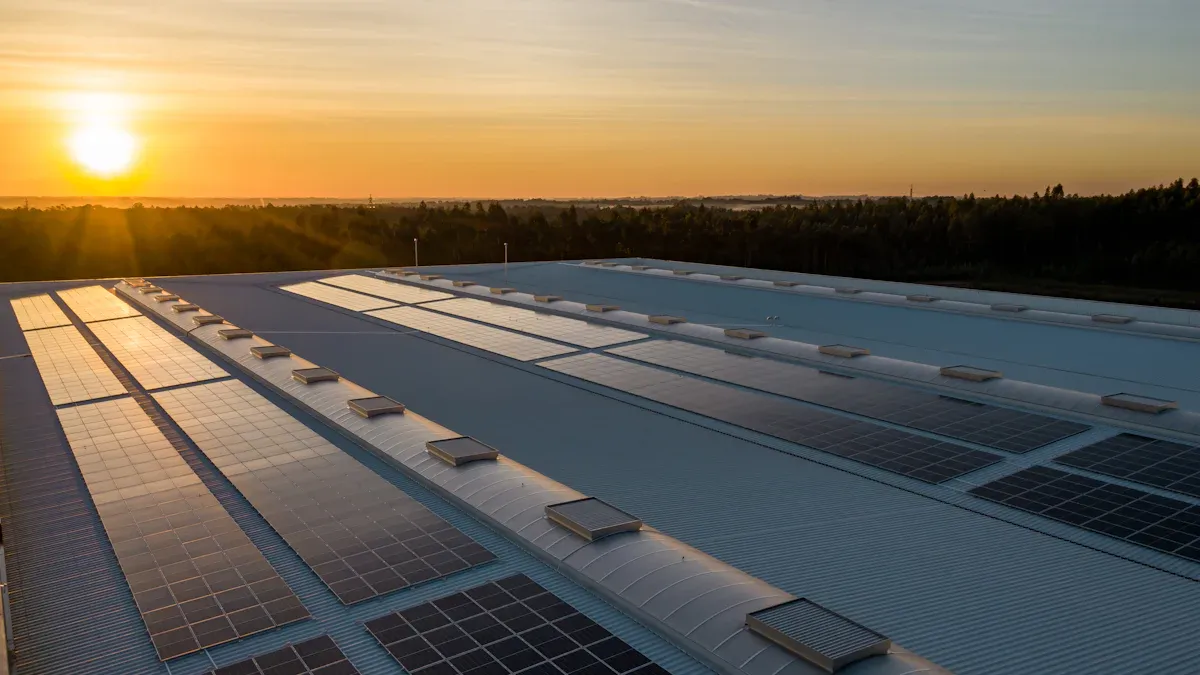
The global demand for aluminum alloy PV Cables continues to rise. Stakeholders must recognize the significance of market trends in shaping their strategies. By 2026, various factors will influence demand, including technological advancements and sustainability initiatives, ultimately driving growth in the PV cable market trends.
Key Takeaways
- The demand for aluminum alloy PV cables is rising due to increased adoption of renewable energy sources, especially solar power.
- Technological advancements in cable manufacturing lead to lighter, more durable, and cost-effective aluminum alloy cables, enhancing their appeal.
- Sustainability efforts, such as recyclability and reduced carbon footprint, are crucial for companies to attract environmentally conscious consumers.
Market Dynamics

Growth Drivers
The aluminum alloy PV cable market experiences significant growth due to several key drivers:
-
Rising Renewable Energy Adoption: Governments and organizations worldwide increasingly prioritize renewable energy sources. This shift boosts the demand for solar energy systems, consequently increasing the need for efficient PV cables.
-
Technological Advancements: Innovations in cable manufacturing enhance performance and reduce costs. Improved materials and production techniques lead to lighter, more durable cables, making them more appealing to consumers.
-
Regulatory Support: Many countries implement favorable policies and incentives for solar energy projects. These regulations encourage investments in solar infrastructure, driving the demand for aluminum alloy PV cables.
-
Cost Efficiency: Aluminum alloy cables offer a cost-effective alternative to traditional copper cables. Their lower weight and reduced material costs make them an attractive option for solar installations.
Challenges and Restraints
Despite the positive outlook, the aluminum alloy PV cable market faces several challenges:
-
Market Competition: The market is highly competitive, with numerous players vying for market share. This competition can lead to price wars, affecting profit margins for manufacturers.
-
Quality Concerns: Some stakeholders express concerns about the long-term performance and reliability of aluminum alloy cables compared to copper. These perceptions can hinder market growth as consumers may prefer established materials.
-
Supply Chain Disruptions: Global supply chain issues can impact the availability of raw materials needed for cable production. Fluctuations in aluminum prices can also affect production costs and pricing strategies.
-
Technological Limitations: While advancements are ongoing, some technologies still lag in terms of efficiency and performance. Manufacturers must continuously innovate to meet evolving market demands.
The interplay of these growth drivers and challenges shapes the PV cable market trends, influencing strategic decisions for stakeholders.
Market Segmentation

By Type
The aluminum alloy PV cables can be categorized into several types based on their construction and material properties. The primary types include:
-
Single-Core Cables: These cables consist of a single conductor and are commonly used in smaller solar installations. Their simplicity makes them easy to install and cost-effective.
-
Multi-Core Cables: Multi-core cables contain multiple conductors, allowing for greater flexibility in larger solar systems. They can handle higher power loads and are suitable for complex installations.
By Application
The applications of aluminum alloy PV cables span various sectors, reflecting their versatility. Key applications include:
-
Residential Solar Systems: Homeowners increasingly adopt solar energy solutions. Aluminum alloy cables provide a lightweight and cost-effective option for connecting solar panels to inverters.
-
Commercial Solar Installations: Businesses are investing in solar energy to reduce operational costs. Aluminum alloy cables support larger systems, ensuring efficient energy transfer.
-
Utility-Scale Projects: Large-scale solar farms require robust and durable cables. Aluminum alloy cables meet these demands while offering significant cost savings compared to traditional materials.
The segmentation of the PV cable market trends highlights the diverse applications and types available, enabling stakeholders to make informed decisions based on their specific needs.
Regional Trends in the PV Cable Market
North America
North America shows a strong commitment to renewable energy. The United States leads in solar installations, driving demand for aluminum alloy PV cables. State incentives and federal policies support this growth, making solar energy more accessible.
Europe
Europe remains at the forefront of solar technology adoption. Countries like Germany and Spain invest heavily in solar infrastructure. The European Union's sustainability goals further boost the demand for efficient PV cables, aligning with the region's green initiatives.
Asia-Pacific
Asia-Pacific is the fastest-growing market for aluminum alloy PV cables. China dominates solar production, contributing significantly to global supply. Countries like India and Japan also expand their solar capacities, increasing the need for reliable and cost-effective cables.
Latin America
Latin America experiences a gradual rise in solar energy adoption. Nations such as Brazil and Chile invest in solar projects, driven by favorable climates and government support. This trend creates opportunities for aluminum alloy PV cables in the region.
Middle East and Africa
The Middle East and Africa present unique challenges and opportunities. Countries like the UAE and South Africa focus on renewable energy to diversify their economies. As solar projects expand, the demand for aluminum alloy PV cables will likely increase.
Strategic Implications of Market Trends
Technological Innovations
Technological advancements play a crucial role in shaping the aluminum alloy PV cable market. Manufacturers are investing in research and development to enhance cable performance and efficiency. Key innovations include:
-
Improved Conductivity: New alloy compositions increase electrical conductivity, allowing for better energy transfer. This improvement reduces energy losses in solar systems, making them more efficient.
-
Enhanced Durability: Innovations in insulation materials protect cables from environmental factors. These advancements ensure longer lifespans and reduce maintenance costs for solar installations.
-
Smart Cable Technologies: The integration of smart technologies into PV cables allows for real-time monitoring of performance. This capability helps operators identify issues quickly, optimizing system efficiency.
-
Manufacturing Techniques: Advanced manufacturing processes, such as extrusion and annealing, improve the quality and consistency of cables. These techniques enable manufacturers to produce lighter and more Flexible Cables, enhancing installation ease.
These technological innovations not only improve the performance of aluminum alloy PV cables but also align with the broader trends in the renewable energy sector. As the PV cable market trends evolve, stakeholders must stay informed about these advancements to maintain a competitive edge.
Sustainability Efforts
Sustainability has become a central theme in the aluminum alloy PV cable market. Stakeholders are increasingly focusing on eco-friendly practices to meet regulatory requirements and consumer expectations. Key sustainability efforts include:
-
Recyclability: Aluminum alloy cables are highly recyclable, reducing waste and promoting a circular economy. Manufacturers are adopting recycling programs to reclaim materials from old cables, minimizing environmental impact.
-
Reduced Carbon Footprint: The production of aluminum alloy cables generates fewer greenhouse gas emissions compared to copper cables. This reduction aligns with global efforts to combat climate change and promotes the use of renewable energy sources.
-
Sustainable Sourcing: Companies are prioritizing the use of responsibly sourced materials. This commitment ensures that the raw materials used in cable production do not contribute to environmental degradation.
-
Life Cycle Assessments: Many manufacturers are conducting life cycle assessments (LCAs) to evaluate the environmental impact of their products. These assessments help identify areas for improvement and guide sustainable practices.
By embracing sustainability efforts, stakeholders can enhance their brand reputation and appeal to environmentally conscious consumers. As the PV cable market trends continue to shift, sustainability will remain a key driver of growth and innovation.
Emerging Trends and Market Opportunities
Future Projections
The aluminum alloy PV cable market is poised for significant growth in the coming years. Analysts predict that the market will expand as solar energy adoption accelerates globally. By 2026, the demand for aluminum alloy cables will likely increase due to their cost-effectiveness and lightweight properties. The integration of smart technologies into solar systems will further enhance the efficiency of these cables. As manufacturers innovate, they will likely introduce products that meet evolving consumer needs.
Market Opportunities
Several market opportunities exist for stakeholders in the aluminum alloy PV cable sector:
-
Expansion in Emerging Markets: Countries in Asia-Pacific and Latin America are investing heavily in solar energy. This trend presents opportunities for manufacturers to establish a presence in these regions.
-
Partnerships and Collaborations: Collaborating with solar panel manufacturers can create synergies. Such partnerships can lead to bundled offerings that enhance market reach.
-
Focus on Sustainability: As consumers become more environmentally conscious, companies that prioritize sustainable practices will gain a competitive edge. Offering recyclable and eco-friendly products can attract a broader customer base.
-
Technological Advancements: Continuous innovation in cable design and materials will open new avenues for growth. Companies that invest in research and development will likely lead the market.
These emerging trends and market opportunities will shape the future of the PV cable market trends, providing pathways for growth and innovation.
The aluminum alloy PV cable market trends indicate robust growth driven by renewable energy adoption and technological advancements. Stakeholders can explore opportunities in emerging markets and sustainable practices. As the industry evolves, staying informed about innovations will be crucial for maintaining a competitive edge.
FAQ
What are aluminum alloy PV cables?
Aluminum alloy PV cables are electrical cables designed for solar energy systems. They offer lightweight, cost-effective solutions for efficient energy transfer.
Why choose aluminum alloy over copper cables?
Aluminum alloy cables are lighter and more affordable than copper cables. They provide similar performance while reducing installation costs and overall weight.
How do aluminum alloy cables contribute to sustainability?
Aluminum alloy cables are highly recyclable and produce fewer greenhouse gas emissions during manufacturing. This aligns with global sustainability goals in renewable energy.