
 Send Email
 Whatsapp


Photovoltaic Extension Cables vs. Standard Cables: Key Differences for Solar Applications
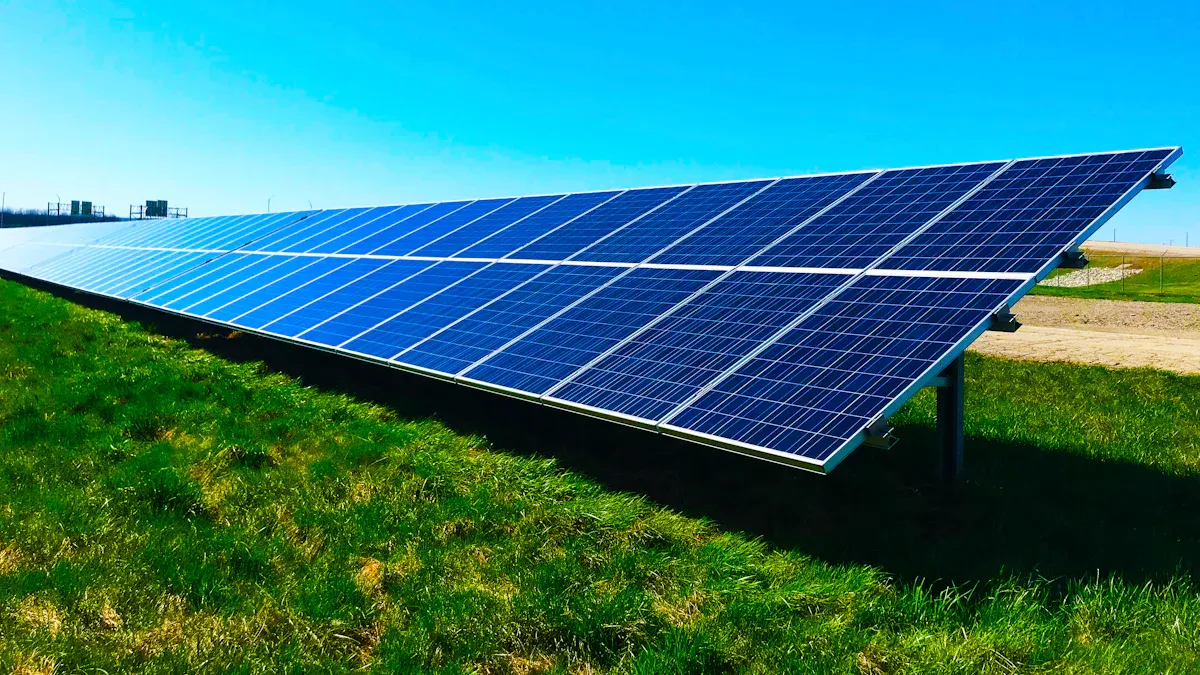
Photovoltaic (PV) Solar Cables are specifically engineered for the harsh outdoor conditions of solar systems. They meet the unique electrical demands. These cables offer enhanced durability and superior UV resistance. Higher voltage and temperature ratings are essential for safe solar installations. Standard cables lack these specialized features.
Key Takeaways
- PV cables are special for solar systems. They resist sun, heat, and water. Standard cables are for inside buildings.
- Using the right cable keeps your solar system safe. It helps the system work well and last a long time.
- Always use PV Cables for solar panels. This prevents fires and electric shocks. It also follows safety rules.
Understanding Photovoltaic (PV) Solar Cables

Specialized Materials and Construction
PV cables use special materials. These materials make them strong and safe for solar systems. They often have cross-linked polyethylene (XLPE) insulation. This insulation is very tough. It protects the wires inside. Many PV cables also have a double insulation layer. This extra layer adds more protection. These materials resist heat, sunlight, and moisture. This design ensures the cable lasts a long time outdoors.
Electrical Performance and Ratings
PV cables handle high electrical demands. They have high voltage ratings, often 1000V or 1500V DC. This is important for large solar arrays. They also carry high currents efficiently. The cables have low electrical resistance. This means less power is lost as electricity travels through the wires. This helps the solar system work better.

Durability and Environmental Resistance
These cables are built for harsh outdoor conditions. They resist ultraviolet (UV) light from the sun. This stops the cable from cracking or breaking down. They also withstand extreme temperatures, both hot and cold. PV cables resist water, ozone, and abrasion. This durability ensures the solar cable performs reliably for many years.
Adherence to Safety Standards
PV cables meet strict safety standards. Organizations like UL, TUV, and IEC set these rules. These standards ensure the cables are safe to use. They confirm the cables perform as expected. Using certified PV cables is important. It protects people and property. It also ensures the solar system operates correctly.
Understanding Standard Electrical Cables
Common Materials and Insulation
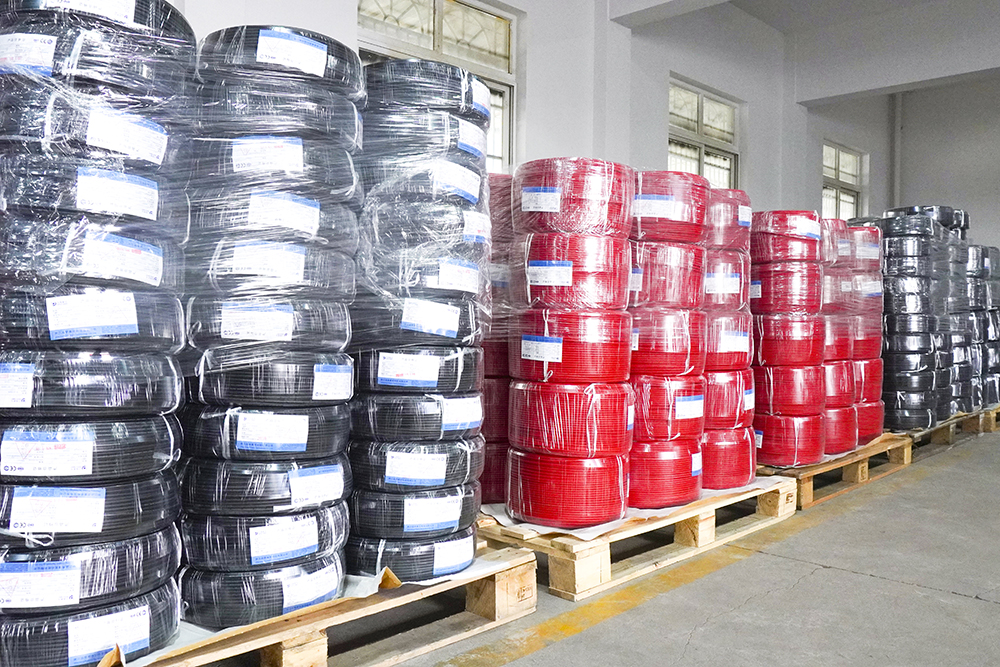
Standard electrical cables are common in homes and offices. They usually have copper or aluminum wires inside. Copper is a good conductor of electricity. Aluminum is also used. These wires are covered with insulation. Polyvinyl chloride (PVC) is a very common insulation material. Rubber is another option. This insulation protects the wires. It also prevents electrical shocks. These materials are suitable for indoor use.
Typical Electrical Properties
Standard cables have specific electrical properties. Their voltage ratings are often lower than PV cables. For example, household cables are typically rated for 300V or 600V. They carry current for everyday appliances. These cables are designed for general power distribution. They are not made for high-voltage DC systems. Their resistance might be higher than specialized PV cables. This means they can lose more energy over long distances.
General Durability and Use Cases
Standard electrical cables are durable for their intended use. They work well indoors. They are good for wiring inside walls. You find them in appliance cords. They are also used for lighting circuits. However, they lack special protection. They are not designed for direct sunlight. They do not resist extreme temperatures well. They also do not handle moisture or abrasion like PV cables. Using them outdoors can lead to quick damage. ⚠️ This can cause safety issues.
Key Differences: PV vs. Standard Solar Cables
Choosing the right cable is very important for solar power systems. PV cables and standard cables look similar. However, they have big differences. These differences affect how well a solar system works. They also impact how long it lasts.
UV and Weather Resistance
PV cables are built for the outdoors. They have special materials. These materials resist ultraviolet (UV) light from the sun. This stops the cable from cracking or breaking down. They also handle rain, snow, and ice. Standard cables do not have this protection. Sunlight makes standard cables brittle. They can crack easily when exposed to weather. This leads to safety problems.
Temperature Range and Performance
Solar systems work in many different climates. PV cables perform well in extreme temperatures. They can handle very hot deserts. They also work in very cold regions. Their materials stay flexible in the cold. They do not melt in the heat. Standard cables have a much smaller temperature range. They can become stiff and break in cold weather. High heat can soften their insulation. This makes them unsafe.
Insulation and Jacket Composition
The layers around the wires are different. PV cables often use cross-linked polyethylene (XLPE) for insulation. They usually have a double layer of insulation. This makes them very tough. The outer jacket is also strong. It resists cuts and abrasions. Standard cables typically use polyvinyl chloride (PVC). PVC is good for indoor use. It is not as strong as XLPE. It offers less protection against outdoor damage.
Voltage and Current Ratings
Solar panels produce direct current (DC) electricity. This electricity often has high voltage. PV cables are rated for high DC voltages. They can handle 1000V or 1500V DC. They also carry high currents efficiently. Standard cables are usually rated for lower AC voltages. They are not designed for the high DC voltages of solar arrays. Using them can cause overheating. This can lead to electrical fires.
Expected Outdoor Lifespan
PV cables are made to last a long time outdoors. They can perform reliably for 20 to 30 years. This matches the lifespan of solar panels. Standard cables will fail much faster outside. They might only last a few years. Their materials degrade quickly in the sun and weather. This means frequent replacements. It also means potential system downtime. Using the correct solar cable ensures long-term performance.
Why Cable Choice Matters for Solar Applications
Choosing the correct cable for a solar power system is very important. It affects many parts of the system. The right choice ensures safety and good performance. It also makes sure the system lasts a long time.
Ensuring System Safety and Reliability
Using the wrong cable can create serious dangers. Standard cables are not built for solar conditions. They can overheat. This overheating can cause electrical fires. Poor insulation can lead to electric shocks. PV cables have special insulation. They handle high temperatures and voltages safely. This design prevents accidents. It keeps the solar system working without problems. A reliable system produces power consistently. This means fewer worries for the owner.
⚠️ Safety First: Always use PV-specific cables for solar installations to prevent hazards like fires and electrical shocks.
Preventing Power Loss and Inefficiency
Every part of a solar system affects its efficiency. Cables are no exception. Standard cables often have higher electrical resistance. This resistance causes energy to turn into heat. Power is lost as it travels through the wires. This means less electricity reaches your home or the grid. PV cables have very low resistance. They are designed to move electricity with minimal loss. This helps the solar system produce its maximum power. It makes sure you get the most energy from your solar panels. This saves money on electricity bills.
Maximizing System Longevity
Solar power systems are a long-term investment. They are expected to last for decades. The cables must last just as long. PV cables are built for extreme outdoor conditions. They resist harsh sunlight, rain, snow, and wide temperature changes. Their materials do not break down easily. Standard cables degrade quickly outdoors. They crack, fray, and fail much sooner. This leads to costly repairs and replacements. Choosing the right solar cable ensures the entire system lasts its expected lifespan. This protects your investment.
Compliance with Electrical Codes
Electrical installations must follow specific rules. These rules are called electrical codes. They ensure safety and proper function. For solar systems, codes like the National Electrical Code (NEC) specify cable requirements. These codes demand cables that can handle solar-specific conditions. Using non-compliant cables can lead to several problems. Inspectors might not approve the installation. This can delay or stop your project. It can also void warranties or insurance. PV cables meet these strict code requirements. They ensure your solar installation is legal and safe.
When to Use Each Cable Type
Choosing the right cable type is crucial for any electrical project. This is especially true for solar power systems. Each cable has specific design features. These features make them suitable for different environments and electrical demands.
Applications for PV Extension Cables
PV extension cables are essential for solar power systems. They connect individual solar panels together. They also link entire panel arrays to inverters. These specialized cables are designed for outdoor use. They resist harsh sunlight, rain, and extreme temperatures. Their robust insulation safely handles high DC voltages. Always use them for all outdoor wiring in a solar array. This includes installations on rooftops and ground-mounted systems. They ensure reliable power transmission from your panels.
Appropriate Uses for Standard Cables
Standard electrical cables have different, specific uses. They are perfect for indoor wiring within buildings. You find them inside walls for lights, outlets, and switches. They power various household appliances. These cables work well in protected, indoor environments. They are not suitable for outdoor use. They cannot handle direct sunlight, moisture, or extreme temperatures. Never use them for connecting solar panels or any outdoor solar components.
Risks of Using the Wrong Cable
Using the wrong cable for solar applications creates many serious problems. Standard cables lack UV protection. They crack and degrade quickly when exposed to the sun and weather. This leads to exposed wires. Exposed wires can cause dangerous electrical fires. They also pose a severe electric shock risk. The wrong cable significantly reduces system efficiency. It shortens the entire system's lifespan. It also violates important electrical codes. Always choose the correct solar cable for safety, optimal performance, and compliance.
Selecting the correct cable type is crucial for the safety, efficiency, and longevity of any solar power system. PV cables are indispensable for solar applications. Their specialized design handles demanding outdoor conditions. Always prioritize PV-specific cables for solar installations. This ensures optimal performance and prevents potential hazards. Using the right solar cable protects your investment.
FAQ
Can I use regular electrical tape on PV cables?
🚫 No. Regular electrical tape does not resist UV light. It will degrade quickly outdoors. Use specialized UV-resistant tape or connectors for PV cables.
What happens if I use standard cables for solar panels?
Standard cables will fail quickly. Sunlight and weather damage them. This causes power loss. It also creates fire and shock hazards.
How often should I check my solar cables?
Inspect your solar cables annually. Look for cracks, fraying, or damage. This ensures safety and good performance. Address any issues promptly.