

 Send Email
 Whatsapp


is solar cable copper?

Most Solar Cables use copper as the main conductor. Copper offers high electrical conductivity, which makes it ideal for safe and efficient power transfer.
Many experts choose copper for solar cable because it resists corrosion and lasts longer in harsh outdoor conditions.
Key Takeaways
- Copper is the best choice for solar cables because it conducts electricity well, lasts long outdoors, and keeps the system safe.
- Compared to aluminum, copper saves more energy, resists corrosion better, and is easier to install, making it more reliable over time.
- Tinned copper wires protect against moisture and harsh weather, making them ideal for outdoor solar cable use.
Why Copper Is Preferred for Solar Cable
Electrical Conductivity and Efficiency
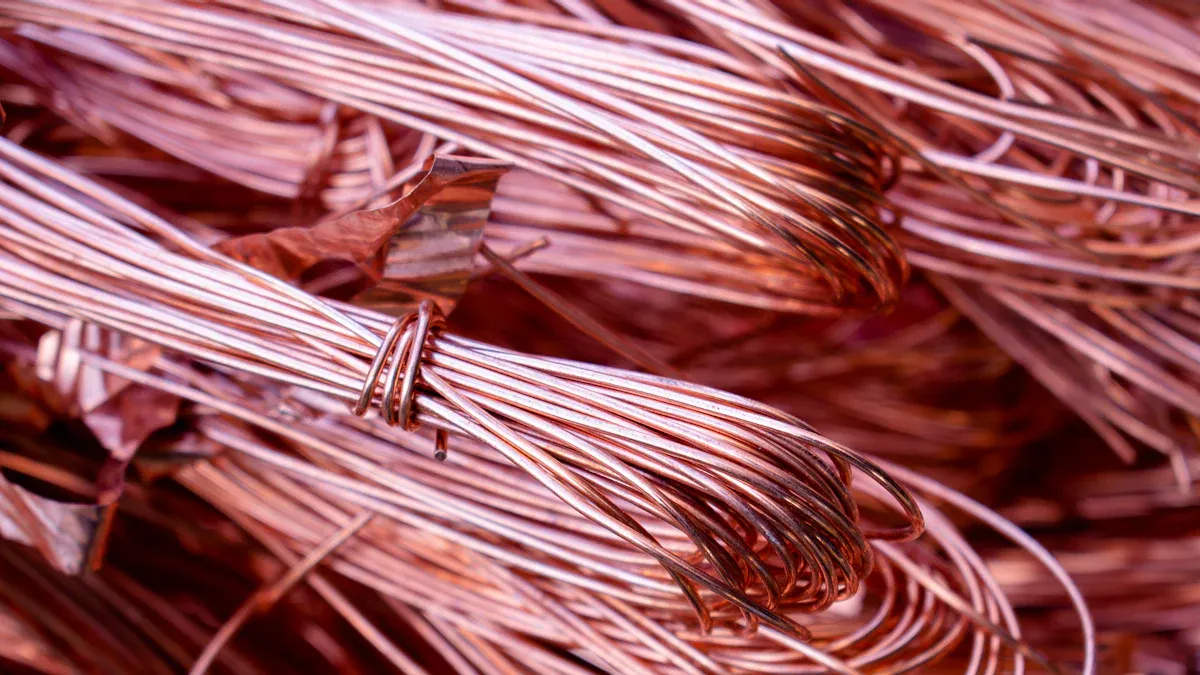
Copper stands out as one of the best conductors of electricity. This means that copper lets electricity flow easily through a solar cable. When electricity moves with less resistance, the solar power system works more efficiently. People who use copper in their solar cable often see less energy lost as heat. This helps solar panels deliver more power to homes and businesses.
Tip: High conductivity in copper means solar panels can send more energy to where it is needed, making the whole system more effective.
Durability and Corrosion Resistance
Copper does not rust like iron or steel. It can handle rain, sun, and wind without breaking down quickly. This makes copper a strong choice for outdoor use. Many solar cable manufacturers choose copper because it lasts for many years, even in tough weather. Copper also resists damage from chemicals and moisture, which helps keep the solar cable safe and working well.
Here is a quick comparison:
| Material | Rusts Easily | Lasts Outdoors | Handles Moisture |
|---|---|---|---|
| Copper | No | Yes | Yes |
| Iron | Yes | No | No |
Safety and Reliability
Safety matters a lot in any electrical system. Copper helps keep solar cable safe because it does not overheat easily. It can carry more current without getting too hot. This lowers the risk of fires or other problems. People trust copper for solar cable because it keeps the system running smoothly and safely for a long time.
Note: Reliable cables mean fewer repairs and less worry about system failures.
Copper vs. Aluminum in Solar Cable
Conductivity and Power Loss
Copper carries electricity better than aluminum. This means copper wires lose less power as electricity moves through them. Aluminum wires need to be thicker to carry the same amount of electricity as copper wires. When people use copper in a solar cable, they see less energy wasted as heat. This helps the solar system work more efficiently.
Note: Less power loss means more energy reaches your home or business.
Durability and Installation
Copper lasts longer than aluminum. It stands up well to weather, moisture, and sunlight. Aluminum can corrode faster, especially if it gets wet. Installers find copper easier to work with because it bends without breaking. Aluminum is lighter, but it can break if bent too much. Many experts choose copper for solar cable because it stays strong and safe over time.
| Feature | Copper | Aluminum |
|---|---|---|
| Lifespan | Longer | Shorter |
| Flexibility | High | Medium |
| Corrosion Risk | Low | High |
Cost Considerations
Aluminum costs less than copper. Some people pick aluminum to save money on large projects. However, copper gives better performance and lasts longer. Over time, copper may save money because it needs fewer repairs and replacements. When choosing a solar cable, many people think about both the upfront cost and the long-term value.
Types of Copper Used in Solar Cable

Bare Copper vs. Tinned Copper
Manufacturers use two main types of copper in solar cable: bare copper and tinned copper. Bare copper has no coating. It looks shiny and reddish. Tinned copper has a thin layer of tin over the copper. This layer gives the wire a silver color. Both types conduct electricity well, but they work best in different situations.
| Type | Appearance | Main Feature | Common Use |
|---|---|---|---|
| Bare Copper | Reddish | High conductivity | Dry, indoor environments |
| Tinned Copper | Silver | Corrosion resistance | Outdoor, wet environments |
Benefits of Tinned Copper
Tinned copper offers extra protection. The tin coating helps stop rust and corrosion. This makes tinned copper a smart choice for outdoor solar cable. Rain, humidity, and salty air can damage bare copper over time. Tinned copper stands up to these harsh conditions. Installers often pick tinned copper for solar cable on rooftops or in coastal areas.
Tip: Tinned copper wires last longer in places with lots of moisture or changing weather.
Industry Standards and Requirements
Industry standards help keep solar cable safe and reliable. Many codes require tinned copper for outdoor or wet locations. Groups like UL (Underwriters Laboratories) and the NEC (National Electrical Code) set these rules. They want to make sure solar cable works well for many years. Installers should always check local codes before choosing a cable type.
Most experts recommend copper for solar cable because it provides strong conductivity and meets safety standards. Tinned copper works well in harsh weather. People who want reliable solar power should choose copper conductors. This choice helps systems last longer and perform better.
FAQ
Is copper always used in solar cables?
Most solar cables use copper. Some cables use aluminum, but copper gives better conductivity and lasts longer.
Why do some solar cables look silver instead of copper?
Tinned copper wires have a thin tin coating. This coating protects the copper from corrosion and gives the wire a silver color.
Tip: Tinned copper works best outdoors or in wet places.
Can you use regular electrical wire for solar panels?
Solar cables meet special standards for outdoor use. Regular electrical wire may not last as long or stay safe in sunlight and rain.