

 Send Email
 Whatsapp


Solar Cable Types

Solar power systems require specific cables to handle different electrical demands. PV wire, USE-2, THHN, and Solar Dc Cable each offer unique features. Selecting the correct type prevents overheating and electrical faults. Reliable cable choice protects equipment, improves efficiency, and ensures long-term safety for any solar installation.
Key Takeaways
- Choose the right solar cable type to keep your system safe and efficient. PV wire works best outdoors, USE-2 cable suits underground use, THHN wire fits indoor wiring, and solar DC cable offers strong protection for many solar setups.
- Check cable ratings for voltage, temperature, and insulation to match your solar system needs. Proper ratings prevent overheating and electrical problems.
- Follow safety codes and color codes to ensure safe, reliable solar installations. Always use cables that meet standards like NEC and UL for long-lasting performance.
Main Types of Solar Cables
PV Wire
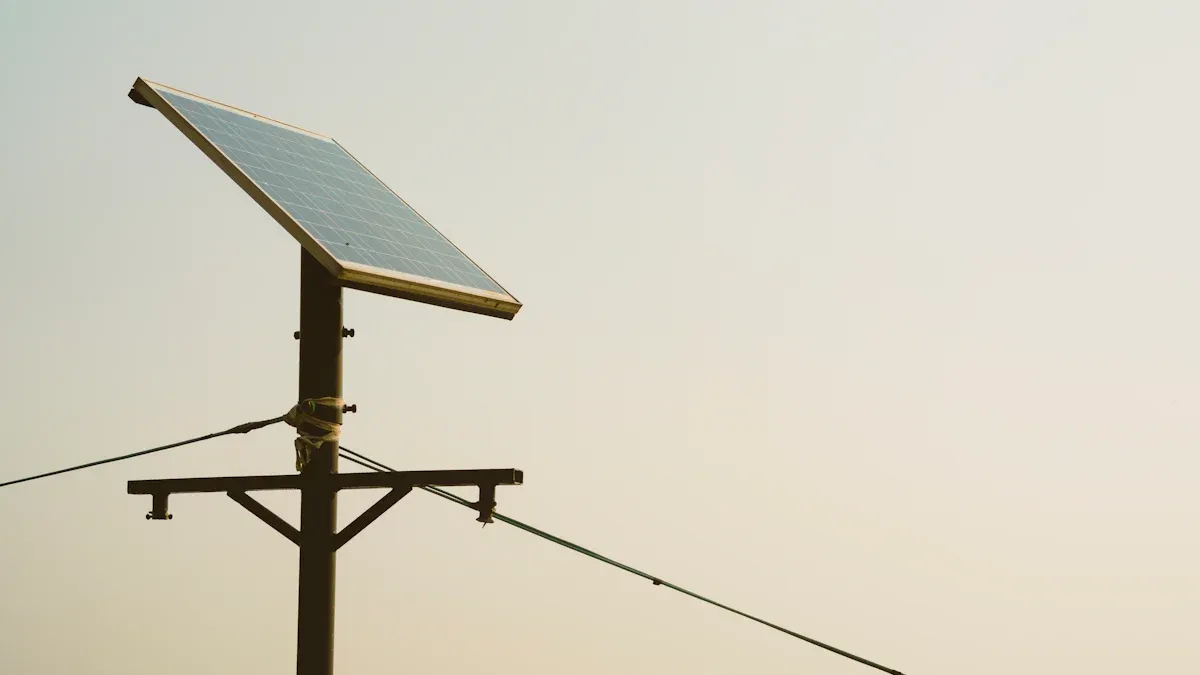
PV wire stands for Photovoltaic Wire. Manufacturers design PV wire specifically for solar panel connections. This wire handles both wet and dry conditions. It resists sunlight, heat, and harsh weather. PV wire uses a single conductor, usually copper or aluminum. The insulation is thick and durable. Installers often use PV wire for wiring between solar panels and from panels to the inverter.
Tip: PV wire meets strict safety standards. It works well in outdoor and rooftop solar systems.
USE-2 Cable
USE-2 stands for Underground Service Entrance cable. This cable works well for underground and direct burial applications. USE-2 cable has a single conductor and thick insulation. It resists sunlight and moisture. Electricians often use USE-2 cable for wiring solar panels in ground-mounted systems. The cable can handle high temperatures and is suitable for outdoor use.
- USE-2 cable is not as flexible as PV wire.
- It does not always meet the latest solar installation codes for above-ground wiring.
THHN Wire
THHN stands for Thermoplastic High Heat-resistant Nylon-coated wire. This wire is common in general electrical work. THHN wire has a thin nylon coating. It works best indoors or in conduit. Installers sometimes use THHN wire in solar projects, but only inside buildings or protected spaces. The wire does not resist sunlight or moisture as well as PV wire or USE-2 cable.
Note: THHN wire should not be used for outdoor solar panel connections without proper protection.
Solar DC Cable
Solar DC cable refers to wires designed for carrying direct current in solar power systems. These cables connect solar panels to inverters and batteries. Solar DC cable features double insulation for extra safety. The cable resists UV rays, heat, and chemicals. Manufacturers make solar DC cable flexible and easy to install. It supports high voltage and current levels found in solar arrays.
Solar DC cable stands out for its durability and reliability. Installers choose solar DC cable for both residential and commercial solar projects. The cable ensures efficient power transfer and long-term safety.
- Solar DC cable is available in different sizes and colors.
- It meets international standards for solar installations.
Solar DC cable plays a key role in modern solar energy systems. It helps prevent power loss and electrical hazards.
Comparing Solar Cable Types
Construction and Materials
Each solar cable type uses different materials and construction methods. PV wire features a single conductor made from copper or aluminum. The insulation layer is thick and designed to resist sunlight and moisture. USE-2 cable also uses a single conductor, usually copper, with heavy insulation for underground use. THHN wire contains copper conductors and a thin nylon coating. This wire works best inside conduit. Solar DC cable stands out with its double insulation and flexible copper strands. Manufacturers design solar DC cable to handle the high demands of solar power systems.
Tip: Flexible construction in solar DC cable makes installation easier, especially in complex solar arrays.
Voltage and Temperature Ratings
Voltage and temperature ratings help determine where each cable type fits best. PV wire supports voltages up to 2000V and can handle temperatures up to 90°C in wet or dry locations. USE-2 cable usually supports up to 600V and operates safely at temperatures up to 90°C. THHN wire handles up to 600V and works in temperatures up to 90°C in dry locations. Solar DC cable often supports voltages up to 1500V or higher. It performs well in temperatures ranging from -40°C to 90°C.
Installers choose solar DC cable for large solar installations because of its high voltage rating and wide temperature range.
Insulation and Durability
Insulation and durability play a key role in cable selection. PV wire uses cross-linked polyethylene (XLPE) insulation, which resists UV rays, water, and chemicals. USE-2 cable also uses XLPE insulation but focuses on underground durability. THHN wire has a thinner thermoplastic insulation with a nylon jacket. This design offers less protection against sunlight and moisture. Solar DC cable features double insulation, providing extra safety and long-term reliability. The outer layer resists abrasion, UV rays, and harsh weather.
Solar DC cable lasts longer in outdoor and demanding environments. Its insulation protects against electrical faults and physical damage.
Best-Use Scenarios
Each cable type fits specific solar applications. PV wire works best for connecting solar panels on rooftops or outdoors. USE-2 cable suits underground wiring in ground-mounted solar systems. THHN wire fits indoor wiring or runs inside conduit. Solar DC cable adapts to both residential and commercial solar projects. Installers use solar DC cable for connections between panels, inverters, and batteries.
Note: Solar DC cable provides the most flexibility and safety for modern solar installations.
Comparison Table
| Cable Type | Conductor Material | Insulation Type | Voltage Rating | Temp. Rating | Best Use Scenario |
|---|---|---|---|---|---|
| PV Wire | Copper/Aluminum | XLPE | Up to 2000V | Up to 90°C | Outdoor, rooftop connections |
| USE-2 Cable | Copper | XLPE | Up to 600V | Up to 90°C | Underground, direct burial |
| THHN Wire | Copper | Thermoplastic/Nylon | Up to 600V | Up to 90°C | Indoor, in conduit |
| Solar DC Cable | Copper | Double Insulation | Up to 1500V+ | -40°C to 90°C | Panel-to-inverter, battery links |
Color Coding and Safety Standards
Common Color Codes in Solar Wiring
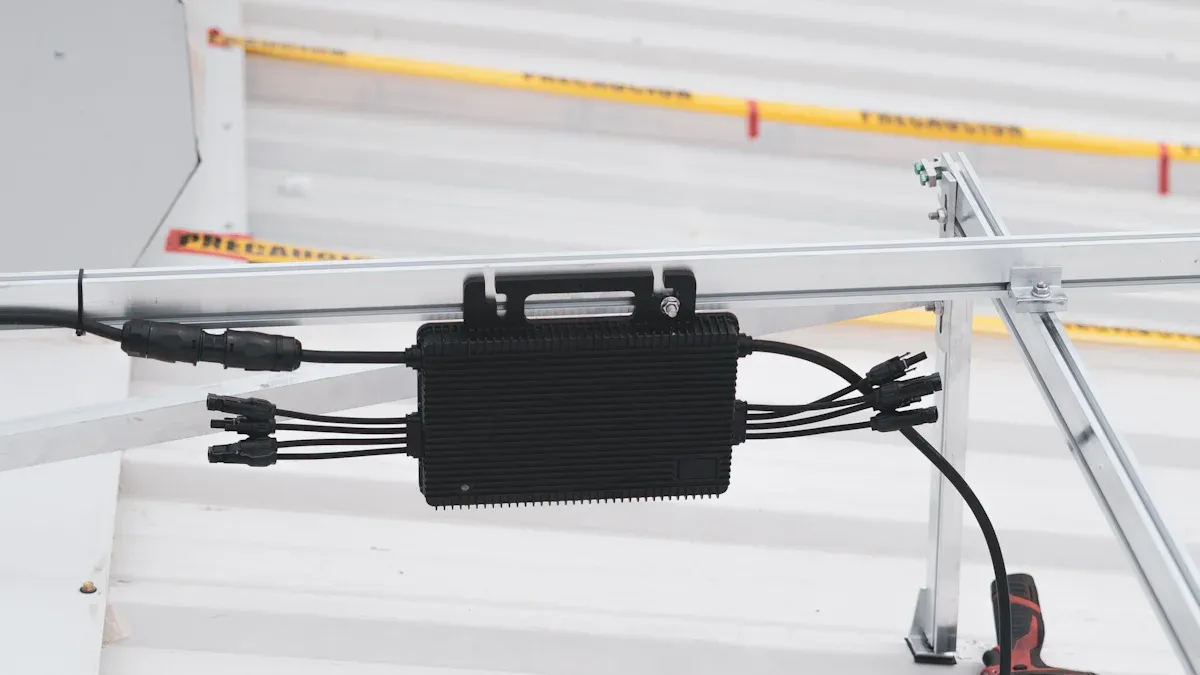
Color coding in solar wiring helps installers and electricians identify wires quickly. Each color signals a specific function in the system. Using the correct color reduces mistakes and improves safety during installation and maintenance.
Typical color codes in solar wiring include:
- Red: Positive DC wire
- Black: Negative DC wire
- Green or Bare: Ground wire
- White or Gray: Neutral wire (mainly for AC circuits)
Installers often use red and black for the main DC connections between panels and inverters. Green or bare wires always indicate grounding. White or gray wires appear in AC wiring, such as after the inverter. Some systems may use other colors, but these remain the most common in the United States.
Tip: Always check local regulations before starting a project. Some areas may require different color codes.
Relevant Codes and Compliance (NEC, UL, etc.)
Solar cable installations must follow strict safety standards. The National Electrical Code (NEC) sets the main rules for wiring in the United States. NEC Article 690 covers solar photovoltaic systems. This article explains how to size cables, choose insulation, and protect against electrical hazards.
Underwriters Laboratories (UL) tests and certifies solar cables. Cables with a UL listing meet high safety and performance standards. Installers should look for markings like "UL 4703" on PV wire or "UL 44" on USE-2 cable.
Key compliance points:
- Use cables rated for voltage and temperature in the system.
- Select cables with proper insulation for outdoor or underground use.
- Follow all labeling and color code requirements.
Following NEC and UL standards ensures safe, reliable, and code-compliant solar installations.
Selecting the correct solar cable type protects equipment and ensures efficient energy flow. Installers should:
- Match cable ratings to system needs
- Check for code compliance
- Consult professionals for complex projects
Safety and reliability depend on proper cable selection and adherence to industry standards.
FAQ
What cable type works best for outdoor solar panels?
PV wire offers the best performance outdoors. It resists sunlight, moisture, and temperature changes. Installers prefer PV wire for rooftop and open-area solar panel connections.
Can regular electrical wire replace solar cable?
Regular electrical wire does not meet solar system requirements. Solar cables provide better insulation, UV resistance, and durability. Always use cables rated for solar applications.
How can someone identify a solar cable’s rating?
Check the cable’s printed markings. Manufacturers list voltage, temperature rating, and certification codes. These details help installers select the correct cable for each solar project.