
 Send Email
 Whatsapp


Is solar cable different to normal cable?

When you think about cables, you might picture the ones you use every day. But Solar Cables are a whole different ballgame! They’re specially designed for solar energy systems. These cables help ensure that your solar setup runs smoothly and safely, making them essential for harnessing the sun's power effectively.
Key Takeaways
- Solar cables are specifically designed for solar energy systems, ensuring efficient energy transfer and safety.
- They feature high-quality materials and insulation that protect against extreme temperatures and UV rays, making them durable for outdoor use.
- Using solar cables instead of normal cables prevents potential hazards and maximizes the performance of your solar energy setup.
Characteristics of Solar Cable

Materials Used
When it comes to solar cables, the materials play a crucial role in their performance. Most solar cables use high-quality copper or aluminum conductors. Copper is popular because it has excellent conductivity, which means it efficiently carries electricity. Aluminum is lighter and often more cost-effective, but it requires larger diameters to match copper's conductivity.
The insulation around these conductors is just as important. Solar cables typically feature a special thermoplastic or thermoset material. This insulation protects the wires from environmental factors like moisture and extreme temperatures. You’ll often find that solar cables are rated for outdoor use, ensuring they can withstand the elements.
Electrical Properties
Solar cables are designed to handle specific electrical properties that differ from normal cables. They usually have a higher voltage rating, often up to 1,000 volts or more. This capability is essential for solar energy systems, where high voltage can occur during operation.
Additionally, solar cables have lower resistance, which means they lose less energy as heat. This efficiency is vital for maximizing the energy harvested from your solar panels. You want every bit of sunlight converted into usable electricity, right?
Durability Features
Durability is a key characteristic of solar cables. These cables are built to last, even in harsh conditions. They often come with UV-resistant coatings to prevent degradation from sunlight exposure. This feature ensures that your cables won’t break down over time, which could lead to costly repairs or replacements.
Moreover, solar cables are designed to be water-resistant. This quality is crucial since they often get exposed to rain or snow. You can trust that your solar cables will continue to perform well, no matter the weather.
Characteristics of Normal Cable
Common Materials
Normal cables often use materials that are readily available and cost-effective. You’ll typically find copper and aluminum as the main conductors. Copper is favored for its excellent conductivity, while aluminum is lighter and cheaper. However, aluminum cables require a larger diameter to carry the same amount of current as copper.
The insulation on normal cables usually consists of PVC (polyvinyl chloride) or rubber. These materials provide basic protection against moisture and some environmental factors, but they may not be as robust as those used in solar cables.
Electrical Properties
When it comes to electrical properties, normal cables generally have lower voltage ratings compared to solar cables. Most standard cables can handle voltages up to 600 volts. This rating is suitable for many household and commercial applications. However, if you’re working with high-voltage systems, you might need to look for specialized cables.
Normal cables also tend to have higher resistance, which means they can lose more energy as heat. This inefficiency can impact the overall performance of your electrical systems, especially in larger installations.
General Durability
In terms of durability, normal cables are designed for everyday use. They can withstand typical indoor conditions but may struggle in harsh environments. While they offer some resistance to moisture and UV rays, they aren’t as resilient as solar cables. If you plan to use them outdoors or in extreme conditions, you might want to consider additional protective measures.
Tip: Always check the specifications of your cables to ensure they meet the demands of your specific application!
Key Differences Between Solar Cable and Normal Cable
Temperature Resistance
When it comes to temperature resistance, solar cables really shine. They can handle extreme temperatures, often ranging from -40°F to 194°F (-40°C to 90°C). This wide range ensures that your solar energy system operates efficiently, no matter the weather. On the other hand, normal cables typically have a narrower temperature range. They might struggle in very hot or very cold conditions, which could lead to performance issues or even failures.
Tip: If you live in an area with extreme temperatures, always choose solar cable for your installations. It’ll save you headaches down the road!
UV Resistance
Solar cables are built to withstand the sun's harsh rays. They come with UV-resistant coatings that protect them from degradation over time. This feature is crucial since solar cables often sit outdoors, exposed to sunlight for long periods. Normal cables, however, may not have the same level of UV protection. Over time, exposure to UV light can cause them to crack or become brittle, leading to potential safety hazards.
You want your solar energy system to last, right? Choosing solar cable ensures that you won’t have to worry about replacing cables due to sun damage.
Insulation Types
The insulation on solar cables is specifically designed for outdoor use. It often consists of materials like cross-linked polyethylene (XLPE) or ethylene propylene diene monomer (EPDM). These materials provide excellent protection against moisture, heat, and UV rays. In contrast, normal cables usually feature PVC or rubber insulation. While these materials offer basic protection, they may not hold up as well in harsh outdoor conditions.
When you select solar cable, you’re investing in a product that’s built to last. The right insulation can make all the difference in ensuring your solar energy system operates safely and efficiently.
Safety Considerations for Solar Cable
Fire Resistance
When it comes to safety, fire resistance is a big deal. Solar cables are designed to minimize fire risks. They often feature materials that can withstand high temperatures without igniting. This quality is crucial, especially if you live in an area prone to wildfires or extreme heat. Always check the fire rating of your solar cables to ensure they meet safety standards.
Voltage Ratings
You should also pay attention to voltage ratings. Solar cables typically handle higher voltages than normal cables. Most solar cables can manage up to 1,000 volts or more. This capability is essential for solar energy systems, where high voltage can occur. Using cables with the correct voltage rating helps prevent overheating and potential hazards.
Tip: Always match the voltage rating of your cables to your solar system's requirements. This step ensures safe and efficient operation.
Installation Standards
Proper installation is key to safety. Solar cables must follow specific installation standards to ensure they function correctly. These standards cover everything from cable routing to connections. You should always hire a qualified professional for installation. They know the best practices and can help you avoid common pitfalls.
By following these safety considerations, you can enjoy peace of mind knowing your solar energy system is both efficient and safe. Remember, investing in quality solar cables and proper installation pays off in the long run!
Application Areas for Solar Cable
Solar Energy Systems
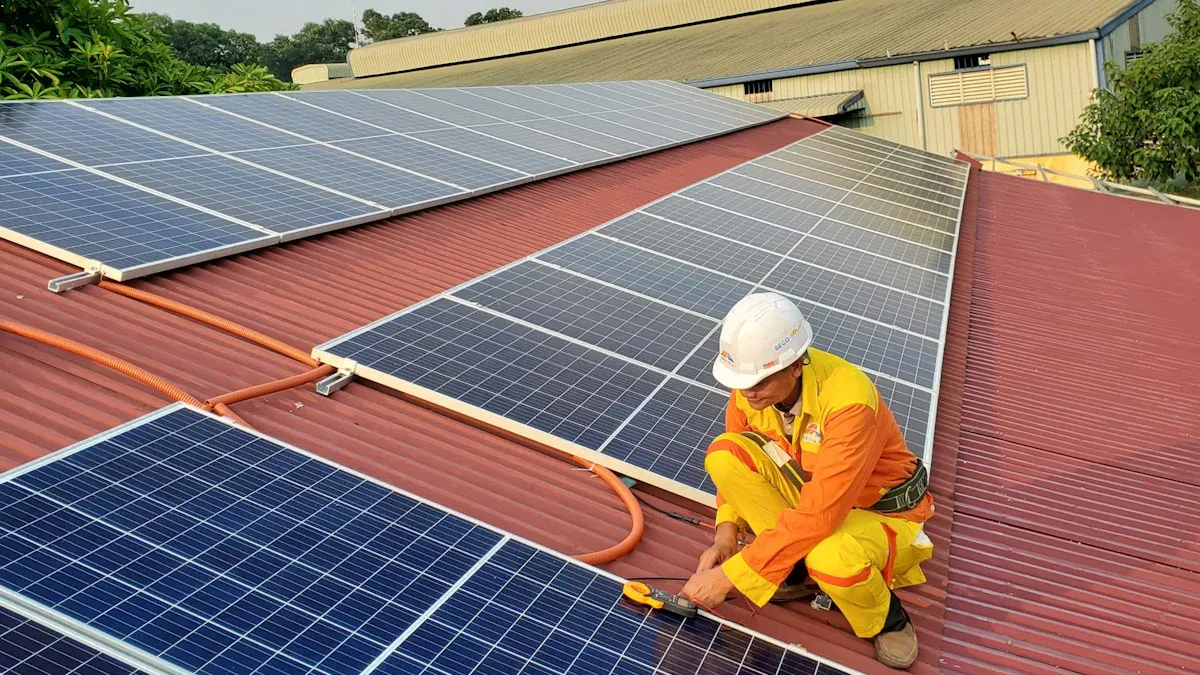
You’ll find that solar cables are essential in solar energy systems. They connect solar panels to inverters and batteries, ensuring efficient energy transfer. Without the right cables, your solar setup might not perform at its best. Using high-quality solar cable helps you maximize the energy harvested from the sun.
General Electrical Wiring
While solar cables are primarily for solar applications, they can also be used in general electrical wiring. If you need to run wires in outdoor settings, consider using solar cable. Its durability and resistance to UV rays make it a smart choice for any outdoor electrical project. You want your wiring to last, right? Choosing solar cable can give you peace of mind.
Specialized Uses
Solar cables have specialized uses beyond typical applications. For instance, they’re great for powering remote sensors or devices in off-grid locations. If you’re setting up a solar-powered garden light or a small wind turbine, solar cables are perfect for the job. Their ability to withstand harsh conditions ensures that your projects run smoothly, no matter where you are.
Tip: Always choose the right type of cable for your specific application. It can save you time and money in the long run!
In summary, you see that solar cables are specially designed for solar applications. They offer unique properties that set them apart from normal cables. These features make them essential for ensuring your solar energy system operates safely and efficiently. Choosing the right cables can make all the difference!
FAQ
What is the main purpose of solar cables?
Solar cables connect solar panels to inverters and batteries, ensuring efficient energy transfer in solar energy systems.
Can I use normal cables for solar installations?
It's not recommended. Normal cables lack the durability and safety features needed for outdoor solar applications.
How do I choose the right solar cable?
Look for cables with high voltage ratings, UV resistance, and durable insulation materials to ensure safe and efficient performance.