

 Send Email
 Whatsapp


Role of Earthing in Solar PV Systems for Ensuring Safety and Efficiency in Installations
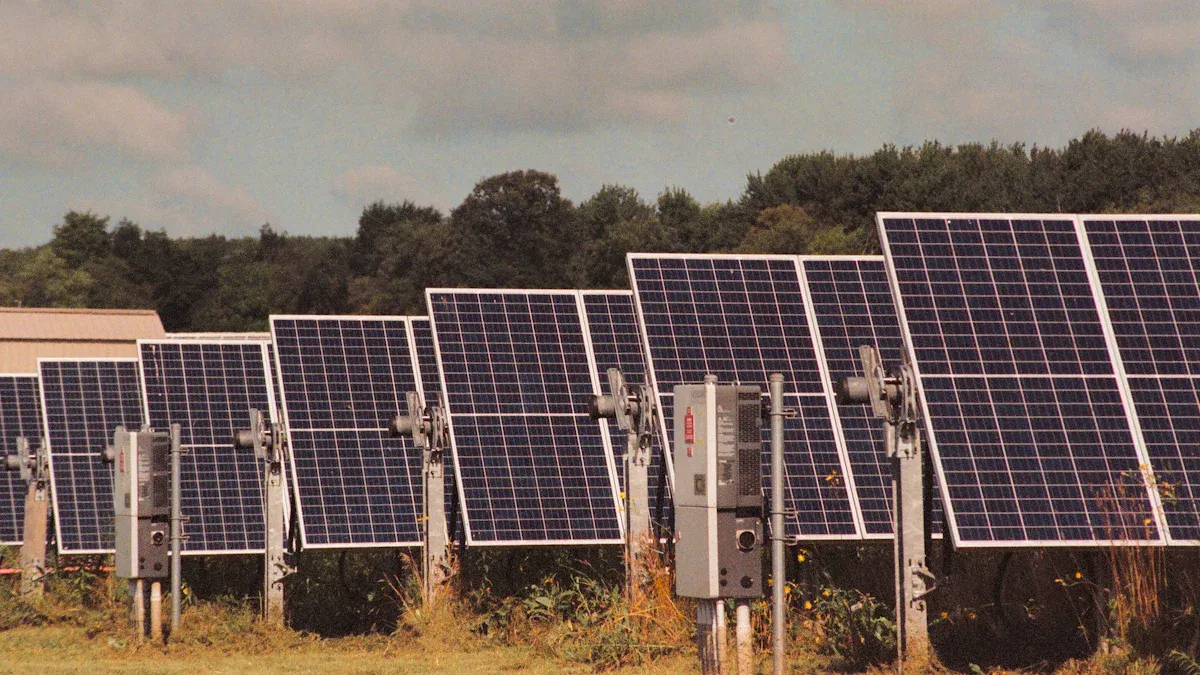
Earthing plays a vital role in solar PV systems by directing fault currents safely into the ground. This protects you from electrical shocks and reduces fire risks. A properly installed ground wire enhances system reliability and shields equipment from damage. It also ensures compliance with essential safety standards to keep installations secure.
Key Takeaways
- Good earthing stops shocks and fire by sending bad currents to the ground.
- A strong ground wire makes the system work better and last longer.
- Checking and fixing the earthing system often keeps it safe and working well.
Why Earthing is Essential in Solar PV Systems
Protecting Lives and Preventing Electrical Hazards
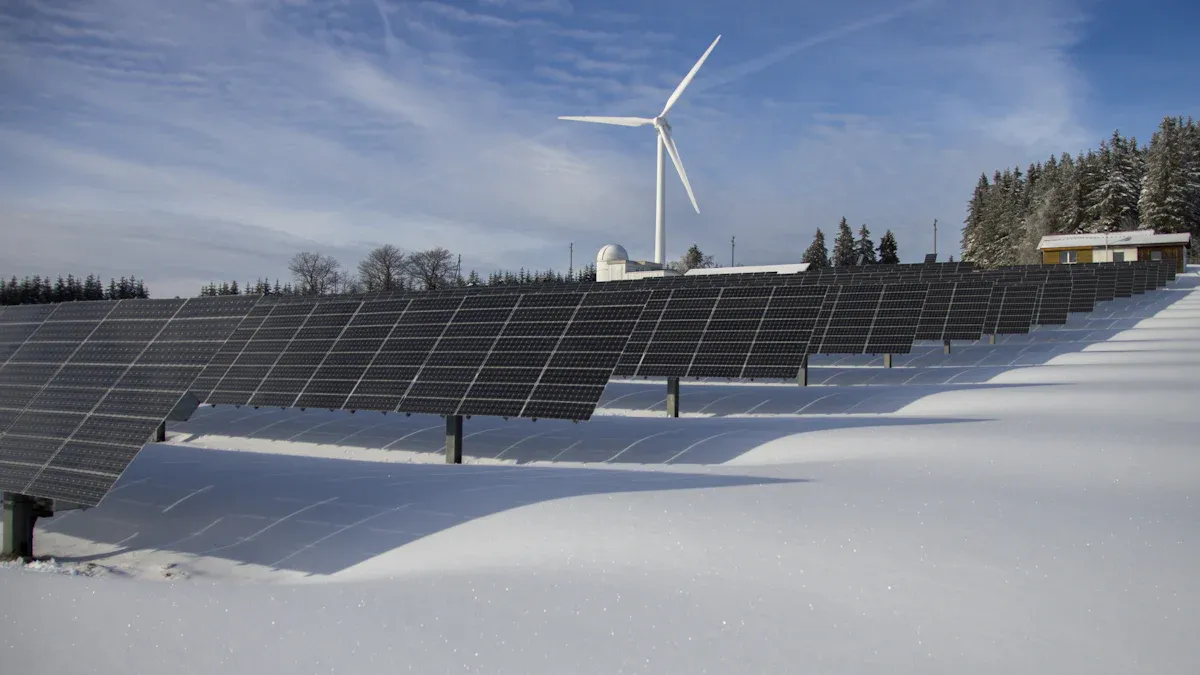
Earthing in solar PV systems plays a crucial role in keeping you safe from electrical hazards. When a fault occurs, such as a short circuit or a lightning strike, the earthing system provides a direct path for the excess current to flow into the ground. This prevents the current from traveling through you or other unintended paths, reducing the risk of electric shocks.
Without proper earthing, stray currents can accumulate in the system. These currents may cause severe injuries or even fatalities if someone comes into contact with the equipment. By installing an effective earthing system, you create a safer environment for everyone near the solar PV installation.
Tip: Always ensure that your solar PV system includes a properly installed ground wire to protect against electrical hazards.
Safeguarding Equipment from Fault Currents and Surges
Fault currents and power surges can damage your solar PV components. These issues often arise from lightning strikes, grid disturbances, or internal faults. Earthing acts as a shield for your equipment by directing these harmful currents away from sensitive components.
For example, the ground wire in your system helps prevent overvoltage conditions that could harm inverters, panels, or other electrical devices. This not only minimizes repair costs but also ensures that your solar PV system operates efficiently.
Note: Protecting your equipment with proper earthing reduces downtime and extends the lifespan of your solar PV system.
Enhancing System Reliability with a Ground Wire
A reliable solar PV system depends on a well-designed earthing setup. The ground wire ensures that your system remains stable during electrical disturbances. It also helps maintain consistent performance by preventing voltage fluctuations that could disrupt the operation of your equipment.
When your system is properly earthed, you can trust it to deliver consistent energy output. This reliability is especially important for installations in areas prone to lightning or power surges. By prioritizing earthing, you enhance the overall efficiency and dependability of your solar PV system.
Reminder: Regularly inspect your ground wire and connections to ensure they remain in good condition for optimal performance.
Benefits of Proper Earthing in Solar PV Installations
Preventing Electrical Shocks and Fire Risks
Proper earthing reduces the risk of electrical shocks and fire hazards in solar PV systems. Fault currents can occur due to damaged wiring, lightning strikes, or equipment malfunctions. When these currents are not safely directed into the ground, they may travel through unintended paths, creating dangerous situations.
An effective earthing system ensures that excess current flows directly into the earth. This prevents it from harming people or causing overheating in electrical components. For example, a ground wire acts as a safety channel, protecting you and your property from potential disasters.
Tip: Regularly inspect your earthing system to ensure it remains functional and secure. This simple step can save lives and prevent costly damages.
Extending the Lifespan of Solar PV Components
Fault currents and power surges can shorten the lifespan of your solar PV components. These issues often damage sensitive parts like inverters, panels, and wiring. Proper earthing shields these components by redirecting harmful currents away from them.
When your system includes a well-installed ground wire, it minimizes wear and tear caused by electrical disturbances. This protection reduces the need for frequent repairs and replacements. As a result, your solar PV system operates efficiently for a longer period.
Note: Investing in proper earthing not only enhances safety but also saves money by reducing maintenance costs over time.
Meeting Safety Standards and Regulatory Requirements
Compliance with safety standards is essential for solar PV installations. Many regulations require systems to include effective earthing to protect users and equipment. Without proper earthing, your installation may fail inspections or face penalties.
A ground wire ensures your system meets these requirements. It demonstrates your commitment to safety and reliability. Following these standards also builds trust with customers and stakeholders, especially for commercial installations.
Reminder: Check local regulations to ensure your earthing system aligns with the required safety codes. This helps you avoid legal issues and ensures a safe installation.
Best Practices for Implementing Effective Earthing
Installing Ground Wires and Grounding Electrodes Correctly
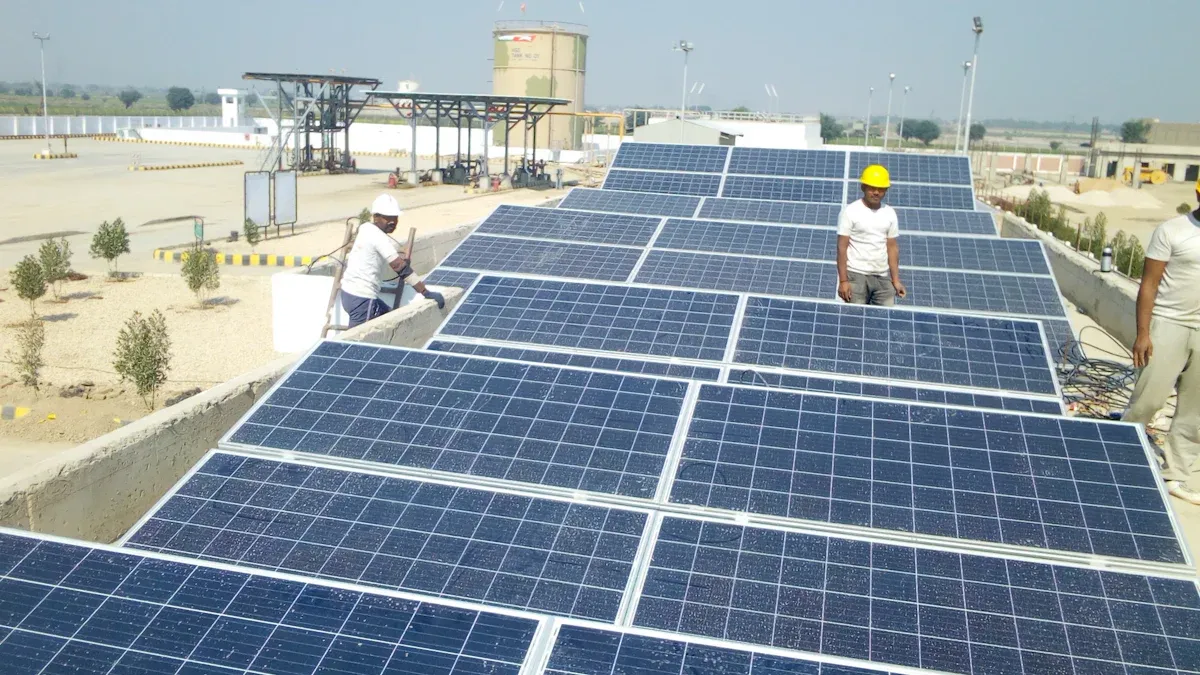
Proper installation of ground wires and grounding electrodes is essential for an effective earthing system. You should ensure that the ground wire connects securely to the grounding electrode, which is typically buried deep in the earth. This connection allows fault currents to flow safely into the ground.
When installing grounding electrodes, choose materials that resist corrosion, such as copper or galvanized steel. Position the electrode in a location with low soil resistivity to improve conductivity. Avoid placing it near areas with high moisture or chemical exposure, as these conditions can degrade the electrode over time.
Tip: Consult a qualified electrician to verify that your ground wire and electrode meet local safety standards.
Ensuring Proper Bonding and Secure Connections
Bonding ensures that all metallic parts of your solar PV system are electrically connected. This prevents stray currents from accumulating and reduces the risk of electric shocks. You should use clamps or connectors designed for electrical bonding to create secure connections between components.
Inspect the connections regularly to confirm they remain tight and free from corrosion. Loose or damaged connections can compromise the earthing system's effectiveness. For added safety, use bonding straps to connect metallic frames, junction boxes, and other exposed parts to the ground wire.
Reminder: Always test the continuity of your bonding connections to ensure they function correctly.
Regular Inspection and Maintenance of Earthing Systems
Routine inspection and maintenance keep your earthing system in optimal condition. Check the ground wire for signs of wear, such as fraying or discoloration. Examine the grounding electrode for corrosion or physical damage.
You should also measure the system's resistance periodically using specialized equipment. High resistance indicates a problem with the earthing setup, which could compromise safety. Address any issues immediately to maintain the system's reliability.
Note: Schedule annual inspections to identify and resolve potential problems before they escalate.
Earthing plays a vital role in ensuring the safety and efficiency of solar PV systems. It protects you, your equipment, and your investment.
- Key Takeaways:
- Proper earthing prevents electrical hazards.
- It enhances system reliability and extends component lifespan.
- Following best practices ensures compliance with safety standards.
Remember: Prioritizing earthing safeguards lives and ensures long-term performance for your solar PV installation.
FAQ
What happens if a solar PV system lacks proper earthing?
Without proper earthing, fault currents can cause electric shocks, fires, or equipment damage. It compromises safety and reduces the system's efficiency and reliability.
Tip: Always prioritize earthing to avoid these risks.
How often should you inspect the earthing system?
Inspect your earthing system annually. Check for wear, corrosion, or high resistance. Regular maintenance ensures safety and optimal performance.
Reminder: Schedule inspections with a qualified professional.
Can earthing improve the lifespan of solar PV components?
Yes, earthing protects components from power surges and fault currents. This reduces wear and tear, extending the lifespan of inverters, panels, and wiring.
Note: Proper earthing saves money on repairs and replacements.