
 Send Email
 Whatsapp


UV-Resistant Solar Cables: Why They Matter for Outdoor PV Installations
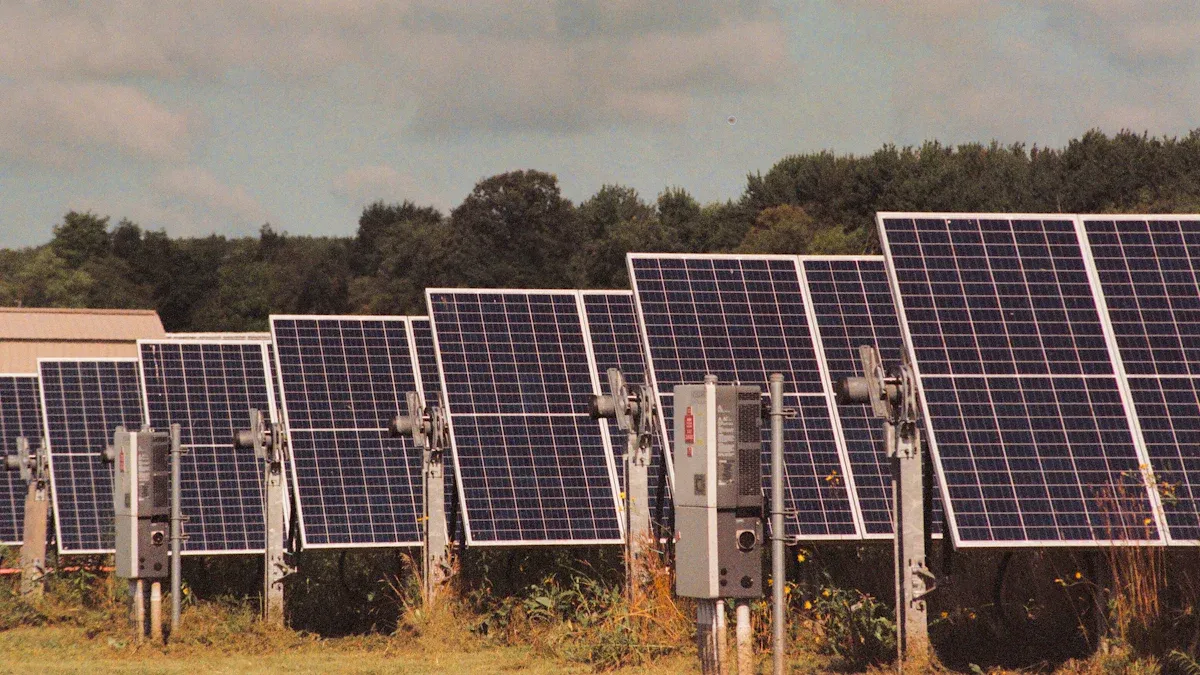
UV radiation can harm the longevity and safety of your Solar Cables. When you choose UV-resistant cables, you help maintain system efficiency and reliability. Understanding the risks of UV exposure allows you to make better installation choices for your solar energy systems.
Key Takeaways
- Choose UV-resistant solar cables to protect your system from sunlight damage. This choice enhances the longevity and reliability of your solar energy setup.
- Look for cables made from materials like Cross-Linked Polyethylene (XLPE) or Thermoplastic Elastomer (TPE) for optimal UV resistance and flexibility.
- Select cables with industry certifications, such as Ul 4703 or IEC 60216, to ensure quality and compliance with safety standards.
Understanding UV Resistance in Solar Cables
What is UV Resistance?
UV resistance refers to a material's ability to withstand the harmful effects of ultraviolet radiation. This radiation comes from the sun and can cause significant damage to various materials over time. When it comes to solar cables, UV resistance is crucial. It ensures that the cables maintain their integrity and functionality despite prolonged exposure to sunlight.
You should look for solar cables specifically designed with UV-resistant properties. These cables often contain additives that help absorb UV radiation. This absorption prevents the breakdown of the cable's insulation and outer jacket. As a result, you can expect longer-lasting performance from your solar energy system.
How UV Affects Solar Cable Materials
UV radiation can lead to several detrimental effects on solar cable materials. Here are some key impacts:
- Degradation of Insulation: UV rays can cause the insulation around the cables to become brittle. This brittleness increases the risk of cracks and breaks, which can lead to electrical failures.
- Color Fading: Over time, UV exposure can fade the color of the cable. While this may not affect performance directly, it can indicate underlying damage.
- Loss of Flexibility: Cables that lack UV resistance may lose their flexibility. This loss can make installation more challenging and increase the likelihood of damage during handling.
- Increased Risk of Short Circuits: As insulation degrades, the risk of short circuits rises. This situation can create safety hazards and reduce the efficiency of your solar energy system.
To protect your investment, always choose high-quality solar cables with proven UV resistance. This choice will help ensure that your solar energy system operates efficiently and safely for years to come.
Risks of UV Radiation to Solar Cables
Degradation of Cable Insulation
UV radiation poses a significant threat to the insulation of solar cables. Over time, exposure to sunlight can cause the insulation material to break down. This degradation leads to several issues:
- Brittleness: As insulation becomes brittle, it is more likely to crack or break. This can expose the conductive materials inside the cable, increasing the risk of electrical faults.
- Cracking: Cracks in the insulation can allow moisture and contaminants to enter. This intrusion can lead to corrosion and further damage to the cable.
- Reduced Lifespan: Cables without UV resistance may have a much shorter lifespan. You may find yourself needing to replace them sooner than expected, leading to increased costs and downtime.
To avoid these problems, always choose solar cables with high-quality UV-resistant insulation. This choice will help ensure that your solar energy system remains safe and efficient.
Impact on Electrical Performance of Solar Cables
The performance of solar cables can decline due to UV radiation. Here are some key impacts:
- Increased Resistance: As insulation degrades, the electrical resistance of the cable can increase. Higher resistance can lead to energy losses, reducing the overall efficiency of your solar energy system.
- Short Circuits: Damaged insulation raises the risk of short circuits. A short circuit can cause system failures and pose safety hazards.
- Voltage Drops: Poor insulation can lead to voltage drops along the cable. This drop can affect the performance of connected solar panels and other components.
To maintain optimal performance, you must select solar cables designed to withstand UV exposure. Investing in quality cables will help you avoid these electrical issues and ensure your solar energy system operates effectively.
Importance of UV Resistance in Solar Energy Systems
Enhancing Longevity of Solar Installations
Choosing UV-resistant solar cables significantly enhances the longevity of your solar installations. When you invest in quality cables, you protect your system from the harmful effects of UV radiation. Here are some benefits of using UV-resistant cables:
- Extended Lifespan: UV-resistant cables can last longer than standard cables. This durability means fewer replacements and lower maintenance costs.
- Reduced Downtime: With longer-lasting cables, you minimize the risk of system failures. This reliability ensures that your solar energy system operates smoothly.
- Cost-Effectiveness: Investing in UV-resistant cables may seem like a higher upfront cost. However, the long-term savings from reduced replacements and repairs make it a wise choice.
Ensuring Safety and Compliance with Standards
Safety is paramount in any solar energy system. UV-resistant solar cables help ensure compliance with industry standards. Here’s how they contribute to safety:
- Preventing Electrical Hazards: Cables that degrade due to UV exposure can lead to electrical faults. Using UV-resistant cables reduces this risk, keeping your system safe.
- Meeting Regulatory Requirements: Many regions have regulations regarding the materials used in solar installations. UV-resistant cables often meet or exceed these standards, ensuring your system remains compliant.
- Enhancing System Performance: When cables maintain their integrity, the overall performance of your solar energy system improves. This enhancement leads to better energy production and efficiency.
By prioritizing UV resistance in your solar cables, you invest in a safer and more reliable energy solution.
Selecting the Right UV-Resistant Solar Cables
Key Materials to Consider for Durability
When selecting UV-resistant solar cables, focus on the materials used in their construction. Common materials include:
- Cross-Linked Polyethylene (XLPE): This material offers excellent UV resistance and thermal stability. It withstands harsh outdoor conditions well.
- Thermoplastic Elastomer (TPE): TPE provides flexibility and durability. It resists UV rays and extreme temperatures, making it ideal for outdoor use.
- Polyvinyl Chloride (PVC): While PVC is less flexible, it is cost-effective and provides decent UV protection. Ensure it meets the necessary standards for outdoor applications.
Certifications and Standards for Quality
Look for solar cables that meet industry certifications. These certifications ensure that the cables can withstand UV exposure and other environmental factors. Some important certifications include:
- UL 4703: This standard covers the safety of solar cables and their performance in outdoor conditions.
- IEC 60216: This international standard assesses the thermal endurance of materials used in electrical cables.
Choosing cables with these certifications guarantees quality and reliability.
Temperature Ratings and Performance Expectations
Temperature ratings play a crucial role in the performance of solar cables. Most UV-resistant cables have a temperature rating ranging from -40°C to 90°C (-40°F to 194°F). This range ensures that the cables perform well in various climates.
When selecting cables, consider the expected temperature fluctuations in your area. Ensure that the cables you choose can handle both high and low temperatures without compromising performance.
UV-resistant solar cables are essential for your outdoor installations. They prevent degradation and ensure your system operates efficiently. By choosing the right cables, you enhance the performance and safety of your solar energy systems. Investing in quality UV-resistant cables is a smart step toward sustainable energy solutions.
FAQ
What are UV-resistant solar cables?
UV-resistant solar cables are specially designed to withstand harmful ultraviolet radiation, ensuring durability and performance in outdoor solar energy systems.
How can I identify UV-resistant cables?
Look for cables labeled with UV resistance certifications, such as UL 4703 or IEC 60216, which indicate their ability to endure UV exposure.
Why is UV resistance important for solar cables?
UV resistance prevents insulation degradation, enhances safety, and prolongs the lifespan of solar cables, ensuring efficient operation of your solar energy system.