

 Send Email
 Whatsapp


Cable & Wire Applications in Solar Power Generation
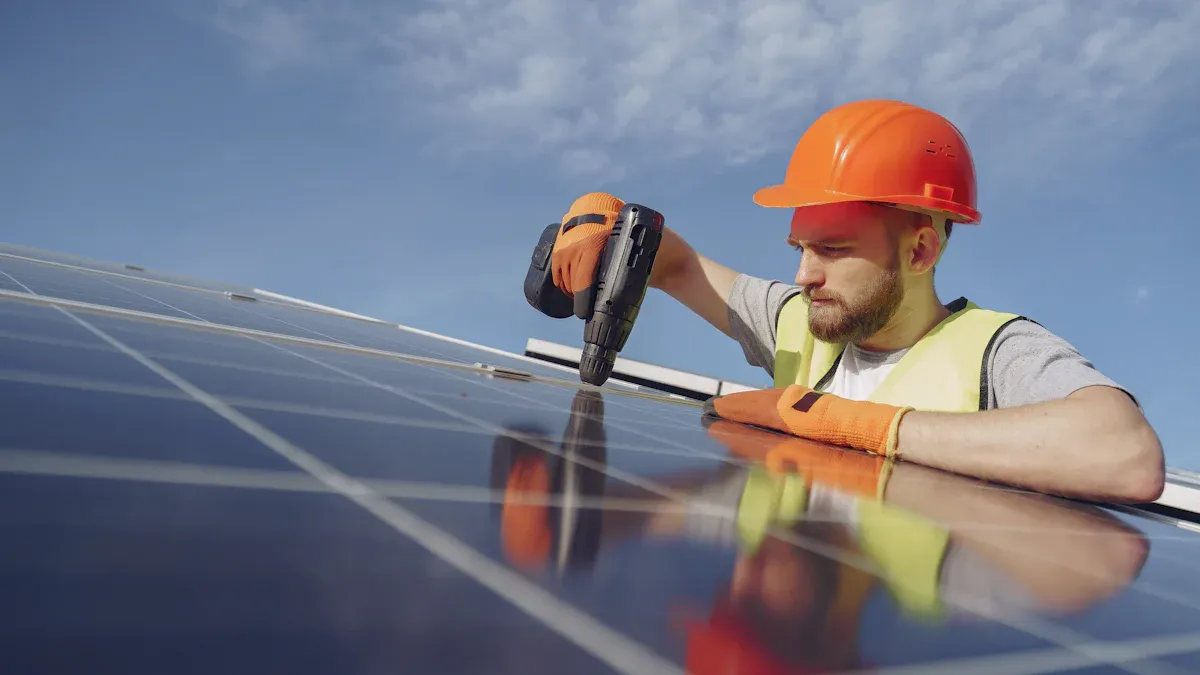
You rely on Solar Cable to link solar panels, inverters, batteries, and loads. The right solar cable keeps electricity moving safely and efficiently. If you choose and connect cables properly, you prevent fires, energy loss, and system failures.
Safety and performance depend on your cable choices.
Key Takeaways
- Choose the right solar cable size and type to ensure safe and efficient energy flow. This prevents overheating and energy loss.
- Inspect your solar cables at least once a year for damage or wear. Regular checks help maintain system performance and safety.
- Select cables with strong insulation to protect against heat, moisture, and sunlight. This enhances the durability and reliability of your solar power system.
Key Electrical Concepts for Solar Cable Selection
Voltage, Current, and Power Basics
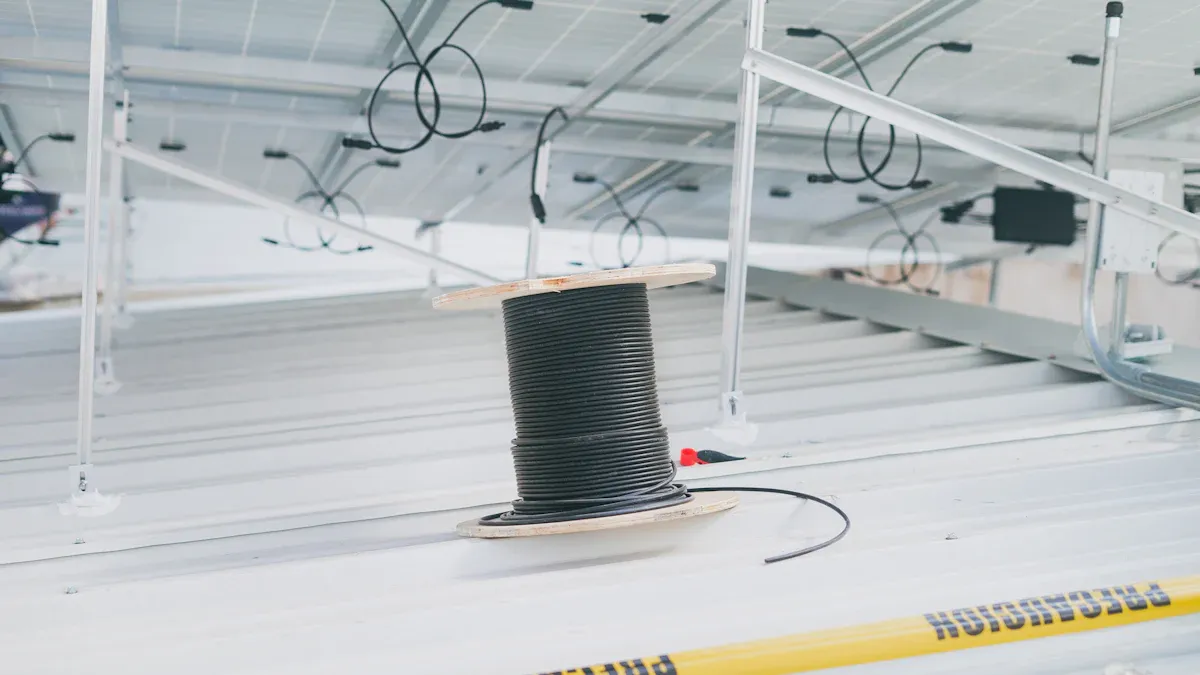
You need to understand voltage, current, and power before choosing a solar cable. Voltage measures the force that pushes electricity through a wire. Current shows how much electricity flows. Power tells you how much energy your system produces.
Tip: Always check the voltage and current ratings for your solar panels and devices. This helps you pick the right cable for safe and efficient energy transfer.
Wire Gauge and Ampacity Explained
Wire gauge means the thickness of the wire. Thicker wires carry more current without overheating. Ampacity is the maximum amount of current a wire can handle safely.
You can use this simple table to match wire gauge to ampacity:
| Wire Gauge (AWG) | Maximum Ampacity (Amps) |
|---|---|
| 14 | 15 |
| 12 | 20 |
| 10 | 30 |
| 8 | 40 |
If you use a solar cable that is too thin, it may overheat and cause damage. Always check the ampacity before installation.
Insulation, Material Types, and Durability
You must choose a solar cable with strong insulation. Good insulation protects against heat, moisture, and sunlight. Most solar cables use copper or aluminum. Copper conducts electricity better, but aluminum costs less.
Note: Outdoor solar cable needs UV-resistant insulation for long-lasting performance. Pick cables rated for your local weather conditions to avoid problems.
Types and Functions of Solar Cable in Installations
PV Wire and Its Role in Solar Systems
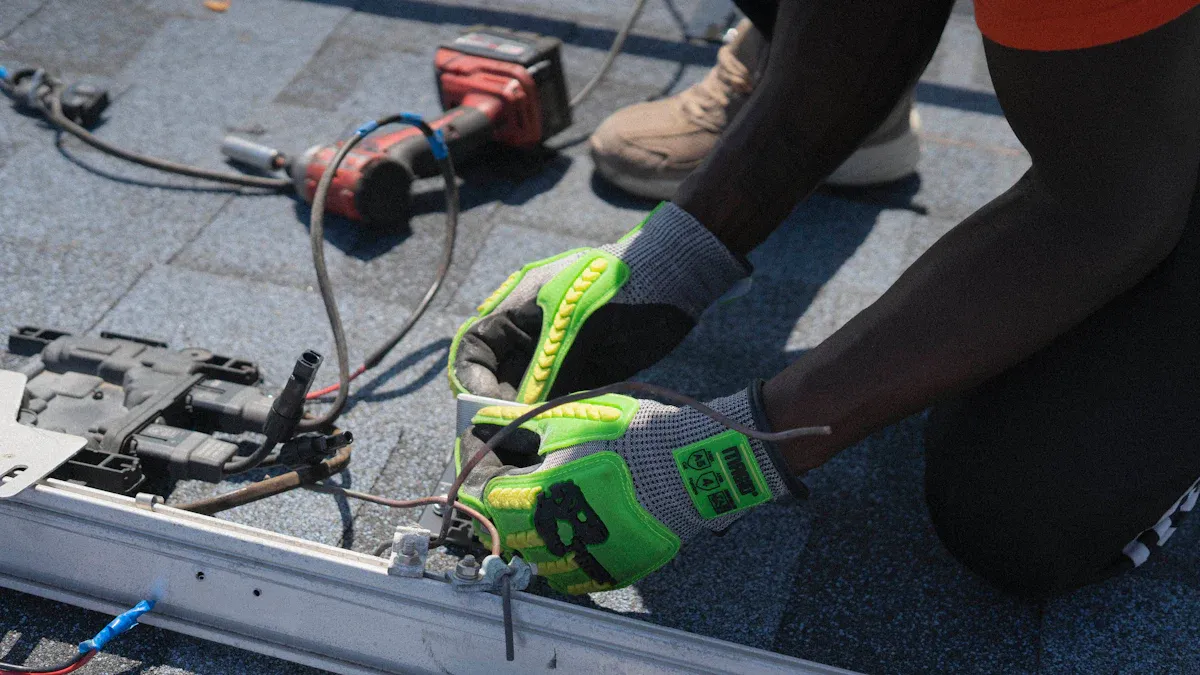
PV Wire stands for photovoltaic wire. You use PV wire to connect solar panels together and to other parts of your solar power system. PV wire handles high temperatures and strong sunlight. It resists moisture and chemicals. You can use PV wire outdoors because it has thick insulation. This wire keeps your solar panels working safely and efficiently.
USE-2 Cable vs. PV Wire
You may see both USE-2 cable and PV wire in solar installations. USE-2 cable works well for wiring solar panels in dry locations. It has good insulation but does not handle wet conditions as well as PV wire. PV wire offers more protection against sunlight, water, and heat. If you install solar panels on a roof or outside, PV wire gives you better safety and longer life.
| Feature | USE-2 Cable | PV Wire |
|---|---|---|
| Sunlight Resistant | Yes | Yes |
| Wet Location Use | No | Yes |
| Temperature Range | Lower | Higher |
| Typical Use | Dry, Ground-Mounted | Rooftop, Outdoor |
Tip: Always check your local codes before choosing between USE-2 cable and PV wire.
DC, AC, and Earthing Solar Cables
You need different cables for different parts of your solar system. DC cables carry direct current from the solar panels to the inverter. AC cables carry alternating current from the inverter to your home or the grid. Earthing cables connect your system to the ground. This protects you from electric shock and keeps your system safe during lightning or faults.
- DC solar cable: Connects panels to inverter (direct current)
- AC cable: Connects inverter to loads or grid (alternating current)
- Earthing cable: Connects system to ground for safety
Series and Parallel Wiring Methods
You can wire solar panels in series or parallel. Series wiring connects the positive terminal of one panel to the negative terminal of the next. This increases the voltage. Parallel wiring connects all positive terminals together and all negative terminals together. This increases the current.
Note: Use the right solar cable size for each method. Series wiring needs cables that handle higher voltage. Parallel wiring needs cables that handle higher current.
Choosing the Right Solar Cable Size and Type
You must pick the correct size and type of solar cable for your system. If you use a cable that is too thin, it may overheat or lose energy. If you use a cable that is too thick, it costs more and is harder to install. Check the voltage, current, and distance between your panels and inverter. Use a wire size calculator or ask a professional if you are unsure.
- Measure the distance from panels to inverter
- Check the maximum current your system will carry
- Choose a cable rated for outdoor use if needed
Safety Standards and Environmental Considerations
You should always follow safety standards when installing solar cables. Look for cables with UL or IEC certification. These standards make sure the cable can handle heat, sunlight, and moisture. If you live in a place with harsh weather, choose cables with extra protection. Proper installation keeps your system safe and helps it last longer.
Always secure cables neatly and avoid sharp bends. This prevents damage and makes future maintenance easier.
Troubleshooting Common Solar Cable Issues
Sometimes, you may face problems with your solar cables. Look for signs like melted insulation, loose connections, or corrosion. If you see these issues, turn off your system and replace the damaged cable. Use a multimeter to check for breaks or shorts in the wire. Regular inspection helps you catch problems early and keeps your solar power system running smoothly.
If you are not sure how to fix a problem, call a qualified electrician.
You use solar cables to connect panels, inverters, and batteries. Choose the right cable size and type for safe and efficient energy flow. Inspect cables often and follow safety standards.
- Select cables with strong insulation
- Connect wires securely
- Maintain cables regularly
Tip: Reliable solar wiring protects your system and keeps your energy flowing.
FAQ
What happens if you use the wrong size solar cable?
You risk overheating, energy loss, or even fire. Always match the cable size to your system’s voltage and current for safety.
How often should you inspect solar cables?
You should check your solar cables at least once a year. Look for damage, loose connections, or signs of wear.
Can you use regular electrical wire for solar panels?
No, you need special solar cables. These cables resist sunlight, heat, and moisture. Regular wires may fail outdoors.