

 Send Email
 Whatsapp


What is Photovoltaic (PV) cable ?
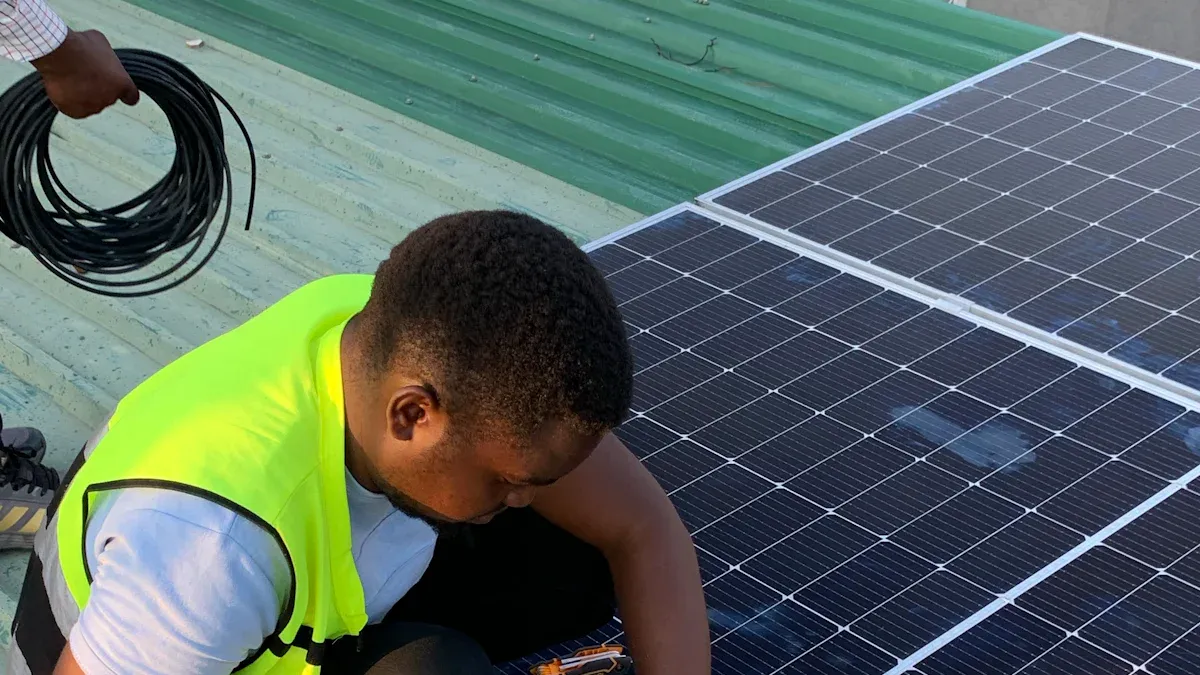
A photovoltaic (PV) cable, often called a Solar Cable, carries electricity between your solar panels and other parts of your solar power system. You should always use the right solar cable. This choice keeps your system safe and helps it work well in different weather conditions.
Key Takeaways
- Choose solar cables with proper insulation and materials like copper and XLPE to ensure safety and durability in all weather conditions.
- Always use certified solar cables designed for outdoor use to prevent electrical faults, improve efficiency, and extend your solar system's life.
- Install solar cables carefully by avoiding sharp bends, securing them properly, and inspecting them regularly to maintain safety and performance.
Solar Cable Construction, Features, and Comparison
Materials and Insulation
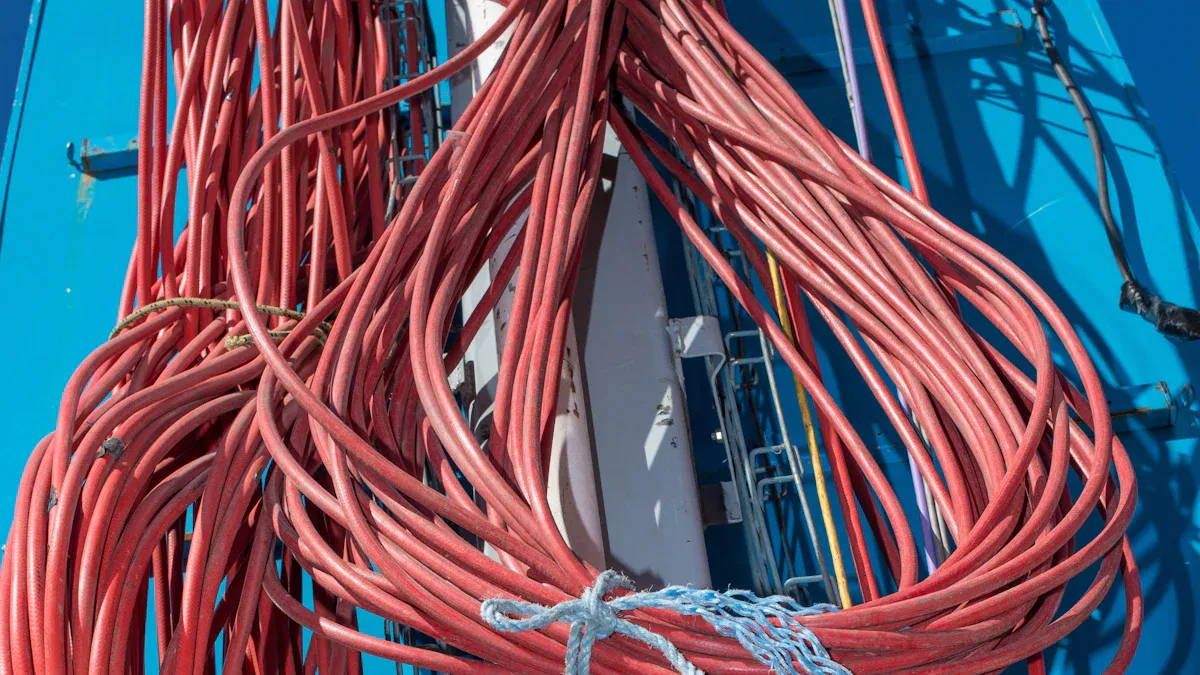
You need to know what makes up a solar cable. Most solar cables use copper or aluminum for the core. Copper carries electricity very well. Aluminum costs less and weighs less, but it does not carry electricity as well as copper.
The insulation around the core protects the cable. Manufacturers often use special materials like cross-linked polyethylene (XLPE) or ethylene propylene rubber (EPR). These materials keep the cable safe from heat and moisture. You can see the difference in this table:
| Material | Main Use | Benefit |
|---|---|---|
| Copper | Cable core | High conductivity |
| Aluminum | Cable core | Lightweight, cost-saving |
| XLPE | Insulation | Heat and moisture proof |
| EPR | Insulation | Flexible, weatherproof |
Weather, UV, and Fire Resistance
You want your solar cable to last outside. The sun, rain, and wind can damage regular wires. Solar cables have strong jackets that block UV rays from the sun. These jackets also keep out water and dust. Some cables even resist fire. This means your system stays safe, even in tough weather.
Tip: Always check if your solar cable has UV and fire resistance. This helps your solar power system work longer and safer.
Durability and Flexibility
Solar cables must bend and twist during installation. You might need to run them along roofs or through tight spaces. Good solar cables stay flexible, even in cold or hot weather. They do not crack or break easily. This flexibility makes your job easier and keeps your system working well for years.
PV Cable vs. Regular Electrical Cable
You might wonder if you can use a regular electrical cable for your solar panels. The answer is no. Solar cables have special features that regular cables do not have. Here is a quick comparison:
| Feature | Solar Cable | Regular Electrical Cable |
|---|---|---|
| UV Resistance | Yes | No |
| Weatherproof | Yes | Sometimes |
| Fire Resistance | Often | Rare |
| Flexibility | High | Medium |
| Outdoor Use | Designed for it | Not always |
You should always choose a solar cable for your solar power system. This choice keeps your system safe and helps it last longer.
Role and Selection of Solar Cable in Photovoltaic Systems
Connection Between Solar Panels and System Components
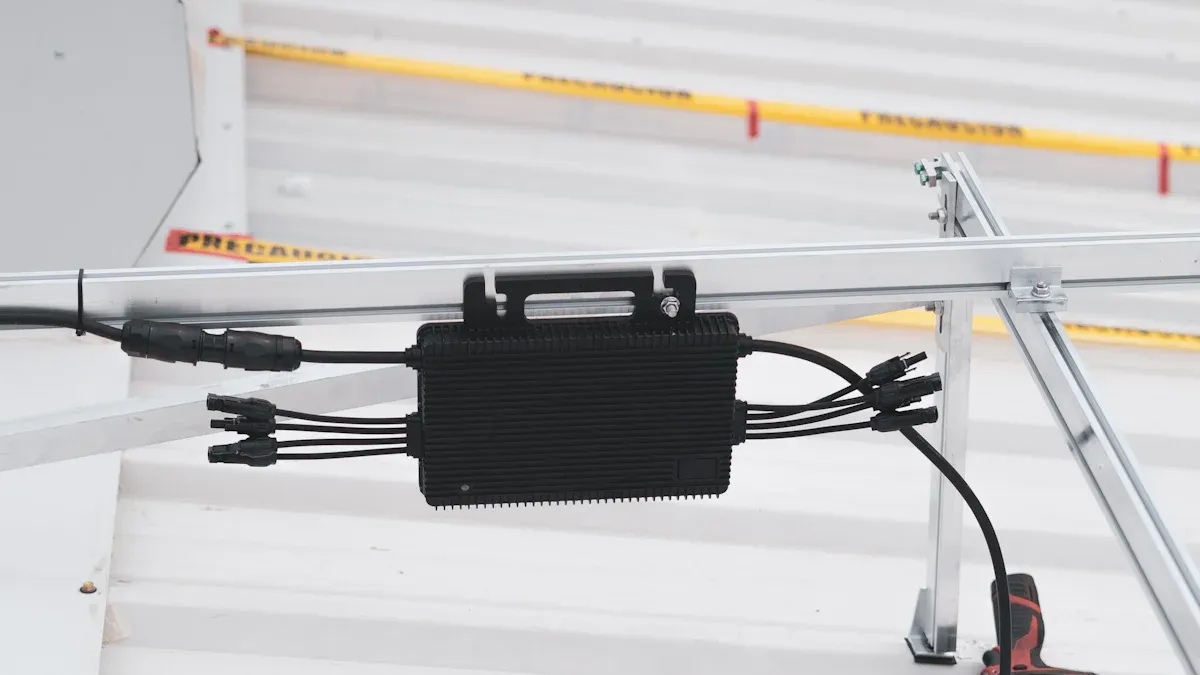
You use a solar cable to link your solar panels to the rest of your solar power system. This cable carries the electricity from the panels to the inverter, charge controller, and batteries. Each part of your system needs a strong and reliable connection. If you choose the right cable, you help your system work smoothly.
- You connect solar panels to inverters with these cables.
- You also use them to join panels together in a series or parallel setup.
- You can run solar cables from the inverter to batteries or the main power grid.
Note: Always check the path your cables take. Make sure you use the correct length and avoid sharp bends.
Importance for Safety and Efficiency
Safety comes first in any solar power setup. A good solar cable keeps your system safe from electrical faults and fire risks. If you use the wrong cable, you might face overheating or even system failure. The right cable also helps your system run more efficiently. Less energy gets lost as heat, so you get more power from your panels.
- Proper cables prevent short circuits.
- They lower the risk of electric shock.
- They help your system last longer.
⚡ Tip: Never use damaged or old cables. Replace them if you see cracks or wear.
Types, Sizes, and Certifications
You can find different types of solar cable for your system. Some cables work best for direct current (DC), while others suit alternating current (AC). You must pick the right size, measured in square millimeters (mm²) or American Wire Gauge (AWG). The size depends on how much current flows through the cable and how far it travels.
| Cable Type | Use Case | Common Size (mm²) | Certification |
|---|---|---|---|
| Single-core | Panel to inverter | 4, 6, 10 | TUV, UL, IEC |
| Twin-core | Parallel wiring | 2.5, 4, 6 | TUV, UL, IEC |
Look for certifications like TUV, UL, or IEC. These marks show the cable meets safety and quality standards.
Alert: Using uncertified cables can void your warranty and put your system at risk.
Installation and Safety Considerations
You must install your solar cable with care. Secure the cables so they do not hang loose or rub against sharp edges. Use cable ties or clips to keep them in place. Avoid running cables where people might trip over them or where animals can chew them.
- Check for damage before and after installation.
- Keep cables away from water and heat sources.
- Follow the manufacturer’s instructions for bending and connecting cables.
Reminder: Always turn off the power before working on your solar cables. If you feel unsure, ask a professional for help.
Choosing the right solar cable keeps your system safe, efficient, and long-lasting. You support reliable solar power when you select and install cables with care.
- Check certifications and sizes before you buy.
For best results, ask a professional or follow industry standards.
FAQ
What makes a PV cable different from a regular wire?
PV Cables resist sunlight, water, and heat. You get better safety and longer life for your solar system.
Can you bury PV cables underground?
Yes, you can bury many PV cables. Always check the cable label for "direct burial" approval before you install.
How often should you check your solar cables?
You should inspect your cables once a year. Look for cracks, wear, or loose connections.
Tip: Early checks help prevent bigger problems later.