
 Send Email
 Whatsapp


What is required for solar cable?

Solar Cables play a vital role in transferring energy within your solar power system. They must withstand harsh conditions like UV exposure and extreme temperatures. High-quality insulation ensures safety and efficiency. Choosing the right solar cable enhances performance and prevents system failures, making it a critical decision for your solar setup.
Key Takeaways
- Pick good solar cables for safe and efficient power use.
- Use cables that resist UV rays and bad weather outside.
- Check and care for your solar cables often to avoid damage.
Types of Solar Cables
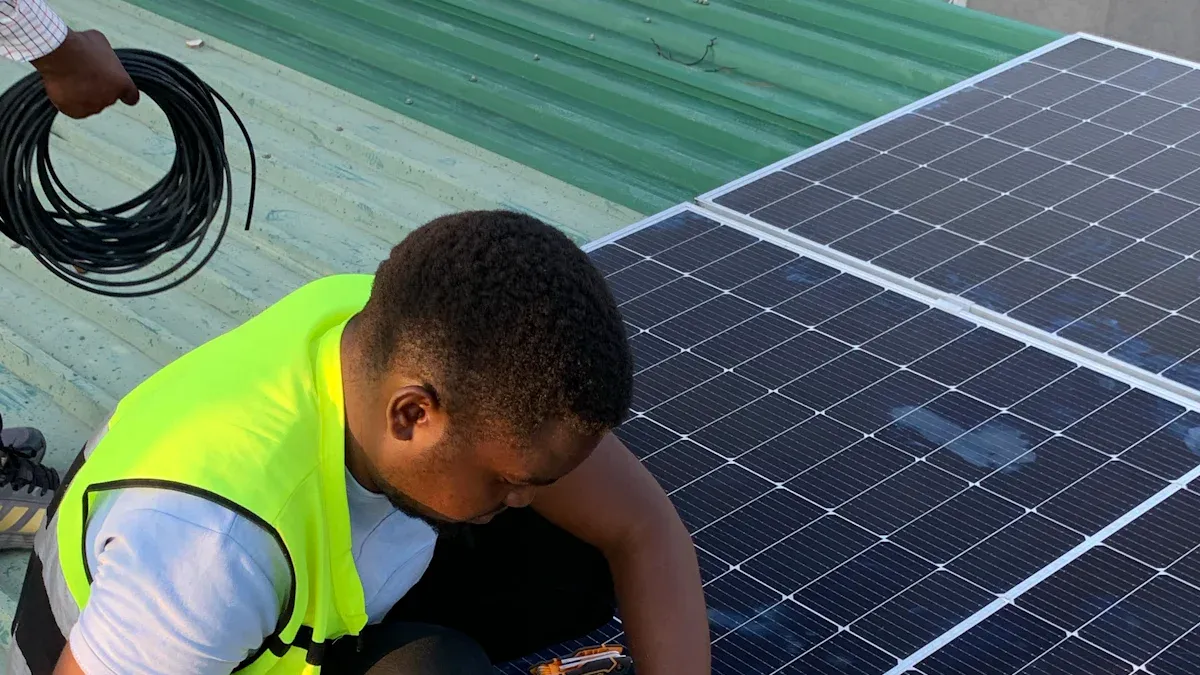
Solar cables come in different types, each serving a specific purpose in your solar power system. Understanding these types helps you choose the right cables for efficient energy transfer and safety.
PV Cables
Photovoltaic (PV) cables connect solar panels to the inverter or charge controller. These cables are designed to handle high voltage and direct current (DC). They feature excellent insulation and UV resistance, making them suitable for outdoor use. PV Cables are also flexible, which simplifies installation.
DC Cables
DC cables carry direct current from the solar panels to the inverter. These cables must handle high currents without overheating. They often have thicker insulation to prevent energy loss and ensure safety. DC cables are critical for maintaining the efficiency of your solar power system.
AC Cables
AC cables transfer alternating current (AC) from the inverter to your home or the electrical grid. These cables are designed to handle lower voltages compared to DC cables. They are essential for delivering the converted energy to power your appliances.
Grounding and Conduit Cables
Grounding cables protect your solar system from electrical faults by safely directing excess current into the ground. Conduit cables, on the other hand, shield other cables from physical damage and environmental factors. Both types enhance the safety and durability of your solar setup.
Tip: Always choose cables that meet safety standards and match your system's requirements.
Key Characteristics of Solar Cables
UV and Weather Resistance
Solar cables must endure harsh outdoor conditions. You need cables that resist ultraviolet (UV) rays and extreme weather. Prolonged exposure to sunlight can degrade ordinary cables, but high-quality solar cables are designed to withstand this. They also perform well in rain, snow, and fluctuating temperatures. This durability ensures your system operates efficiently year-round.
Note: Always check for UV-resistant labeling when selecting cables for outdoor use.
High-Quality Insulation
Insulation plays a critical role in protecting solar cables. It prevents energy loss and reduces the risk of electrical shocks. Look for cables with double insulation or those made from cross-linked polyethylene (XLPE). These materials provide excellent protection against heat and mechanical stress. High-quality insulation ensures the safety and efficiency of your solar power system.
Fire Resistance and Safety Standards Compliance
Fire safety is a top priority in any electrical system. Solar cables should meet international safety standards, such as IEC 62930 or Ul 4703. These standards ensure the cables resist fire and minimize hazards. Using compliant cables reduces risks and protects your property.
Flexibility and Durability
Flexible cables simplify installation, especially in systems with complex layouts. Durability is equally important. You need cables that resist wear and tear from bending, pulling, or environmental factors. Durable solar cables last longer, saving you money on replacements.
Tip: Choose cables with a high strand count for better flexibility and strength.
How to Choose the Right Solar Cable
Voltage and Amperage Requirements
When selecting a solar cable, you need to consider the voltage and amperage of your solar power system. The cable must handle the maximum voltage and current without overheating or losing efficiency. Check the specifications of your solar panels and inverter to determine the required capacity. Using a cable with insufficient capacity can lead to energy loss or even damage to your system. Always choose a cable rated higher than your system's maximum output for added safety.
Cable Length and System Layout
The length of the cable affects energy transfer. Longer cables can cause voltage drops, reducing the efficiency of your solar power system. To minimize this, use the shortest possible cable length that fits your layout. If longer cables are unavoidable, select a thicker cable to reduce resistance. Plan your system layout carefully to avoid unnecessary bends or loops, which can increase wear and tear on the cable.
Environmental Factors (e.g., temperature, exposure to sunlight, and moisture)
Environmental conditions play a significant role in cable performance. If your cables are exposed to direct sunlight, choose UV-resistant options. For areas with high temperatures, select cables designed to withstand heat without degrading. In humid or wet environments, look for cables with moisture-resistant insulation. These features ensure your cables remain durable and efficient under various conditions.
Compatibility with Solar Components
Your solar cable must be compatible with the other components of your system, such as connectors, inverters, and charge controllers. Mismatched cables can cause poor connections or energy loss. Check the specifications of your components and ensure the cable matches the required type and size. Compatibility ensures smooth energy transfer and reduces the risk of system failures.
Installation and Safety Guidelines
Proper Cable Routing and Protection
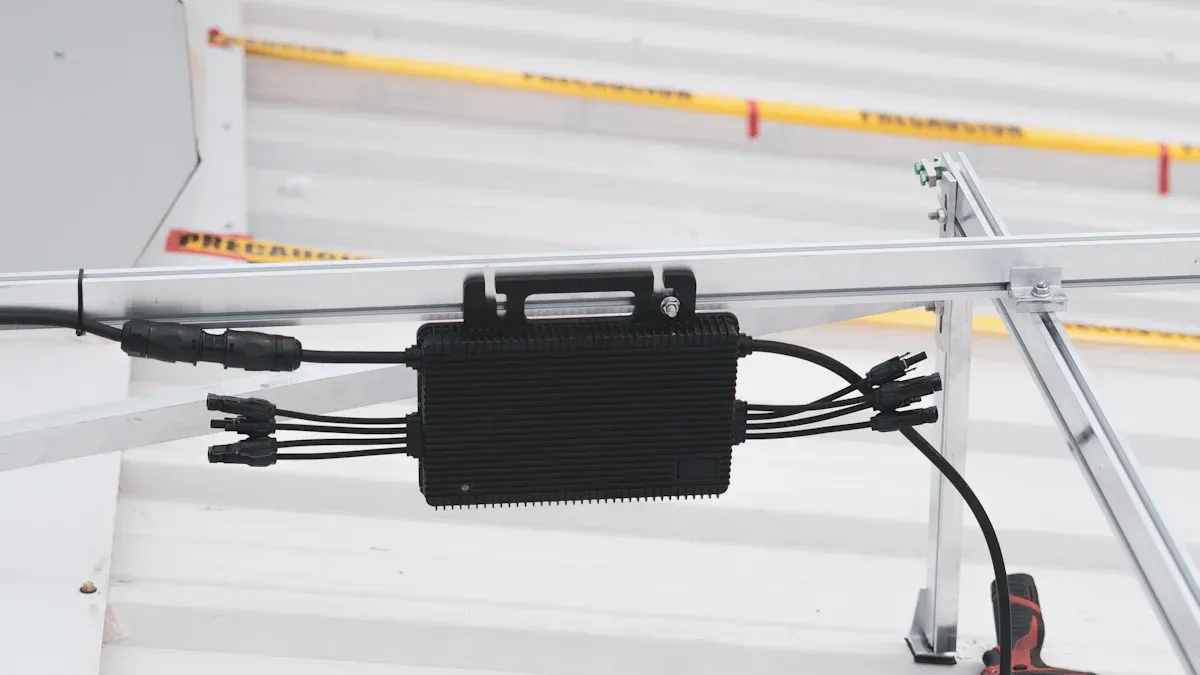
Routing your solar cables correctly is essential for safety and efficiency. Avoid sharp bends or tight loops, as these can damage the cable over time. Use cable clips or ties to secure the cables and prevent them from moving. Protect the cables by running them through conduits or cable trays, especially in areas where they might face physical damage. This ensures your cables remain intact and functional for years.
Tip: Keep cables elevated or off the ground to avoid exposure to water or pests.
Avoiding Overloading and Voltage Drops
Overloading your solar cable can lead to overheating and energy loss. Always check the current rating of the cable and ensure it matches your system's requirements. To prevent voltage drops, use cables with the appropriate thickness for the distance they need to cover. Longer distances require thicker cables to maintain efficiency.
Ensuring Secure Connections
Loose connections can cause energy loss or even electrical hazards. Make sure all cable connections are tight and secure. Use connectors that are compatible with your cables and solar components. Regularly inspect these connections to ensure they remain in good condition.
Adhering to Local Electrical Codes
Electrical codes vary by region, so it’s important to follow the rules in your area. These codes ensure your solar power system is safe and compliant. Hire a licensed electrician if you’re unsure about the requirements. Proper adherence to codes protects your system and ensures it operates efficiently.
Maintenance and Longevity
Proper maintenance of solar cables ensures their longevity and keeps your solar power system running efficiently. Regular care can prevent costly repairs and extend the life of your investment.
Regular Inspection for Wear and Tear
Inspect your solar cables periodically to identify any signs of damage. Look for cracks, cuts, or abrasions on the insulation. Check for discoloration or brittleness caused by prolonged exposure to sunlight or extreme temperatures. Pay attention to connectors and joints, as these areas are more prone to wear.
Tip: Schedule inspections at least twice a year or after severe weather events to catch potential issues early.
Cleaning and Protecting Cables
Dirt, debris, and moisture can accumulate on your cables over time. Clean them gently using a soft cloth or brush to remove any buildup. Avoid using harsh chemicals that could damage the insulation. Protect your cables by ensuring they are properly routed and shielded from physical damage. Use conduits or cable trays to keep them safe from pests and environmental hazards.
Note: Keeping cables clean improves their efficiency and reduces the risk of overheating.
Replacing Damaged or Worn-Out Cables
Replace cables showing significant wear or damage immediately. Using damaged cables can lead to energy loss, electrical hazards, or even system failure. When replacing cables, choose ones that match the specifications of your solar system. Proper replacements ensure safety and maintain the system’s performance.
Reminder: Always consult a professional if you’re unsure about replacing cables yourself.
Solar cables are essential for the safety and efficiency of your solar power system. Choosing the right cable ensures long-term performance and reliability. By understanding the types and characteristics of solar cables, you can make informed decisions. Regular maintenance and following safety standards will help you maximize their lifespan and effectiveness.
FAQ
What is the lifespan of solar cables?
High-quality solar cables typically last 25-30 years. Their durability depends on environmental conditions and regular maintenance. Inspecting and protecting them ensures maximum lifespan.
Tip: Use UV-resistant cables for outdoor installations to prevent premature wear.
Can I use regular electrical cables for solar systems?
No, regular cables lack the insulation and UV resistance required for solar systems. Solar cables are specifically designed to handle high voltage and outdoor conditions.
How do I calculate the correct cable size for my system?
Consider your system's voltage, current, and cable length. Use an online solar cable sizing calculator or consult a professional to ensure accuracy.
Reminder: Undersized cables can cause energy loss and overheating.