

 Send Email
 Whatsapp


DC 1500V 2 core Solar Cable 2x4mm 2x6mm
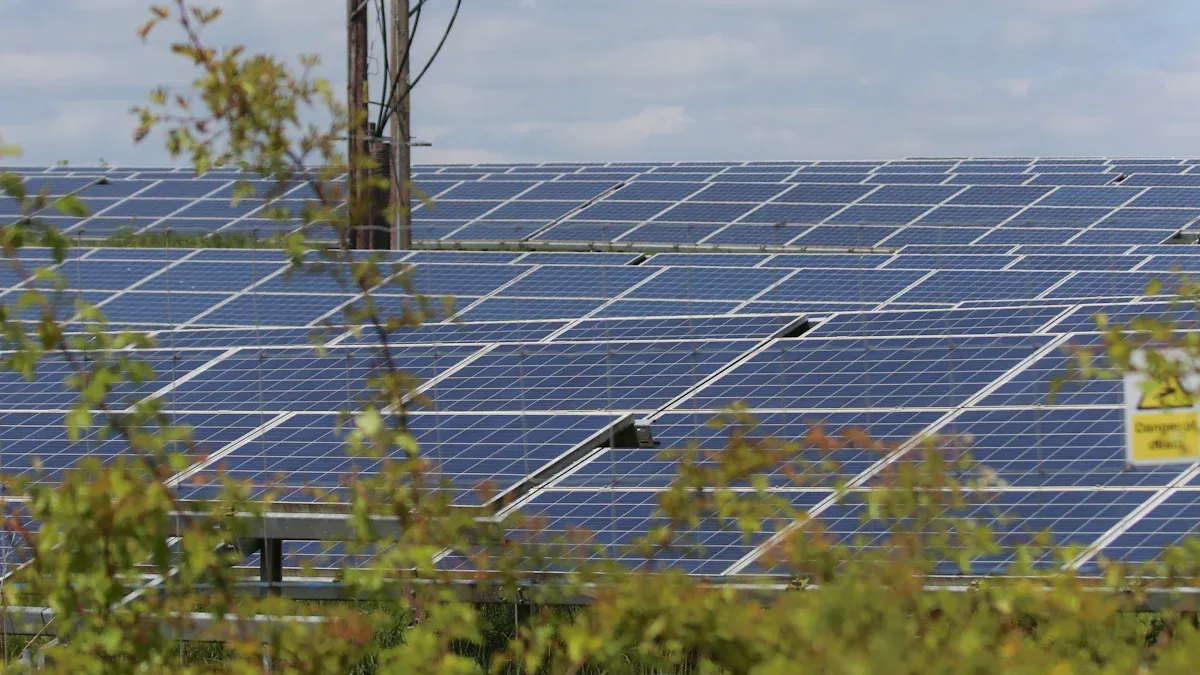
You’ve probably heard about DC 1500V 2 core Solar Cables, but what exactly are they? These cables carry direct current and connect solar panels to inverters or other devices. Their design ensures durability and efficiency, especially in high-voltage systems. With features like 62930 IEC131 double parallel solar cable compliance, they’re essential for safe and reliable solar installations.
Key Takeaways
- DC 1500V 2 core solar cables connect panels to inverters. They help move power efficiently in high-voltage systems.
- Pick the correct cable size: 2x4mm works for small homes. Use 2x6mm for big businesses to handle energy safely.
- Get cables that follow 62930 IEC131 rules for safety. These cables resist weather and keep working well.
Key Specifications of DC 1500V 2 core Solar Cables
Voltage and current ratings
When it comes to solar cables, voltage and current ratings are critical. These cables are designed to handle up to 1500V of direct current (DC), making them ideal for high-voltage solar power systems. This high rating ensures that your system can efficiently transmit power without significant energy loss.
The current capacity of these cables depends on their size. For instance:
- 2x4mm cables can handle moderate current levels, making them suitable for smaller setups.
- 2x6mm cables are built for higher current loads, perfect for larger installations or systems with higher energy demands.
Choosing the right cable size ensures your system operates safely and efficiently. Always check the specifications of your solar panels and inverters to match the cable's capacity with your system's requirements.
Material and insulation properties
The materials used in solar cables play a huge role in their performance and durability. These cables typically feature copper conductors, known for their excellent conductivity and low resistance. Copper ensures that electricity flows smoothly, minimizing energy loss.
The insulation is another standout feature. Solar cables use cross-linked polyethylene (XLPE) insulation, which offers:
- High-temperature resistance: It can withstand extreme heat, making it perfect for outdoor installations.
- UV and weather resistance: The insulation protects the cables from harsh sunlight, rain, and other environmental factors.
- Flame retardancy: This adds an extra layer of safety, reducing the risk of fire in case of electrical faults.
With these properties, you can trust these cables to perform reliably, even in challenging conditions.
Tip: Always look for cables with robust insulation to ensure long-term durability and safety in your solar power system.
Compliance with 62930 IEC131 standards
You might wonder why compliance with standards matters. Well, it’s all about safety and reliability. DC 1500V 2 core solar cables meet the 62930 IEC131 standard, which sets strict guidelines for solar cable performance.
This standard ensures that the cables:
- Can handle high voltages without compromising safety.
- Are resistant to environmental stress, such as UV exposure and temperature fluctuations.
- Maintain their performance over a long lifespan, even in demanding conditions.
By choosing a 62930 IEC131 double parallel solar cable, you’re investing in a product that meets global safety and quality benchmarks. This compliance gives you peace of mind, knowing your solar system is built with components designed to last.
Applications and Benefits in Solar Power Systems

Common uses in residential and commercial setups
You’ll find DC 1500V 2 core solar cables in almost every type of solar installation. For residential systems, they connect solar panels to inverters, ensuring smooth power transmission. These cables are perfect for rooftop setups, where durability and safety are critical.
In commercial projects, their role becomes even more significant. Large-scale solar farms or industrial installations require cables that can handle higher voltages and currents. The 2x6mm size is often the go-to choice for such setups, thanks to its ability to manage heavy energy loads. Whether it’s a small home system or a sprawling solar farm, these cables deliver reliable performance.
Advantages of double parallel construction
The double parallel construction of these cables isn’t just a design choice—it’s a game-changer. This structure reduces electrical resistance, which means less energy loss during transmission. You get more power delivered to your devices, boosting overall efficiency.
Another perk? The design makes installation easier. The cables stay neatly aligned, saving you time and effort during setup. Plus, the robust build ensures they can withstand tough conditions, from extreme heat to heavy rain. With a 62930 IEC131 double parallel solar cable, you’re investing in both performance and convenience.
Safety and efficiency features
Safety is non-negotiable in solar systems, and these cables deliver on that front. Their insulation resists UV rays, moisture, and even fire, keeping your system protected. The high voltage rating ensures they can handle demanding conditions without overheating or failing.
Efficiency is another highlight. The copper conductors and XLPE insulation work together to minimize energy loss. This means your solar panels can operate at their best, giving you maximum output. When you choose a 62930 IEC131 double parallel solar cable, you’re prioritizing both safety and efficiency for your solar setup.
Installation and Maintenance Guidelines
Preparing for installation
Before you start installing your solar cables, preparation is key. Begin by assessing the layout of your solar system. Identify the path where the cables will run and ensure it’s free from sharp edges or obstacles that could damage the insulation.
Measure the distance between your solar panels and the inverter. This helps you determine the exact cable length you’ll need. Using cables that are too short or excessively long can lead to inefficiencies or unnecessary costs.
Keep your tools ready. You’ll need wire cutters, crimping tools, and connectors. Double-check the specifications of your cables to ensure they match your system’s voltage and current requirements. If you’re using a 62930 IEC131 double parallel solar cable, you’re already off to a great start with a reliable and compliant option.
Tip: Label your cables during preparation. This makes troubleshooting easier later on.
Best practices for connecting cables
Connecting solar cables might seem straightforward, but following best practices ensures a safe and efficient setup. Strip the insulation carefully to expose the copper conductor without damaging it. Use high-quality connectors to secure the cable ends.
When connecting cables to the inverter or junction box, tighten the connections firmly. Loose connections can lead to energy loss or overheating. Arrange the cables neatly to avoid tangling and ensure easy access for maintenance.
If you’re working with a double parallel construction, align the cables properly. This design simplifies installation and reduces resistance, boosting your system’s efficiency.
Safety Note: Always turn off the power supply before handling cables to avoid electrical shocks.
Maintenance tips for long-term durability
Maintaining your solar cables is just as important as installing them. Regular inspections help you spot wear and tear early. Check for cracks in the insulation or signs of corrosion on the connectors.
Keep the cables clean. Dirt and debris can affect performance over time. Use a soft cloth to wipe them down, especially in outdoor setups exposed to the elements.
Ensure the cables remain securely fastened. Vibrations or movement can loosen connections, so tighten them periodically. If you’re using a 62930 IEC131 double parallel solar cable, its robust design already offers excellent durability, but routine maintenance will extend its lifespan even further.
Pro Tip: Schedule annual checkups for your solar system to keep everything running smoothly.
Comparing 2x4mm and 2x6mm Solar Cables
Differences in current capacity and applications
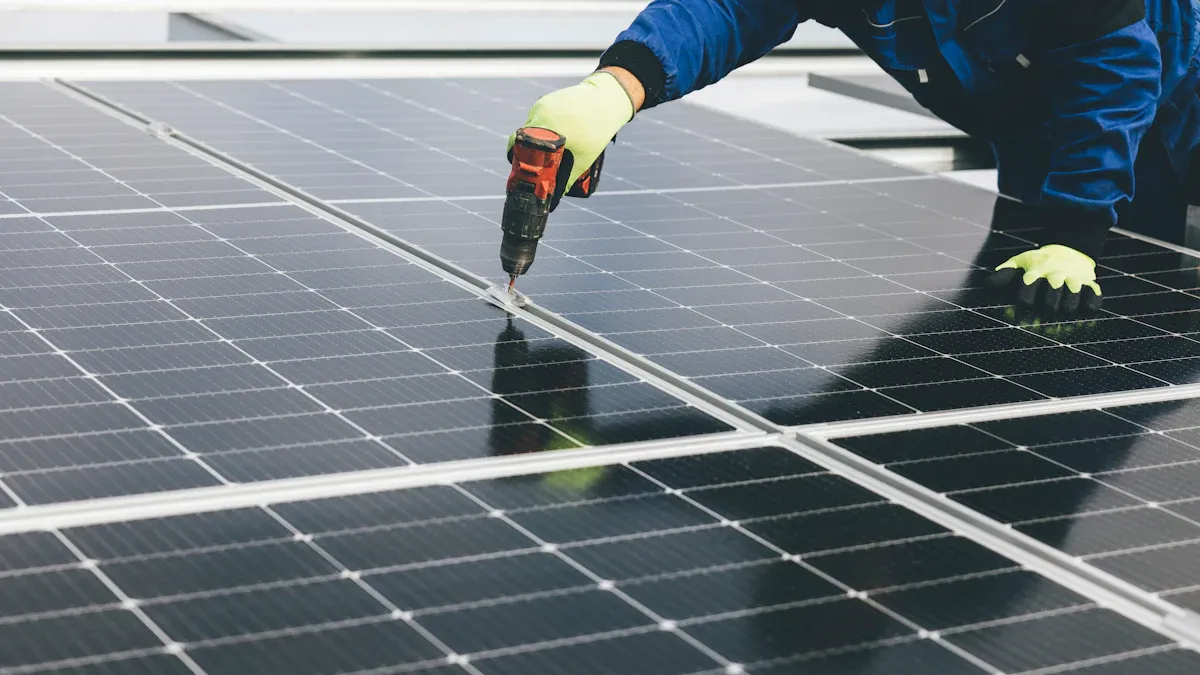
When it comes to solar cables, size matters. The 2x4mm and 2x6mm cables differ in their current-carrying capacity, which directly impacts their applications.
-
2x4mm Solar Cable:
This cable is designed for smaller setups. It handles moderate current levels, making it ideal for residential systems with fewer solar panels. If you’re installing a rooftop system for your home, this cable is a great choice. -
2x6mm Solar Cable:
The larger size allows this cable to carry higher currents. It’s perfect for commercial or industrial setups where energy demands are higher. Think large solar farms or factories with extensive solar installations.
Quick Tip: Always check the current rating of your solar panels and inverters before choosing a cable. Using the wrong size can lead to inefficiencies or even damage your system.
Choosing the right cable for specific needs
Picking the right cable doesn’t have to be complicated. Start by assessing your solar system’s requirements.
-
System Size:
- For small residential systems, go with the 2x4mm cable. It’s cost-effective and meets the energy needs of most homes.
- For larger setups, like commercial buildings or solar farms, the 2x6mm cable is the better option.
-
Energy Demand:
- If your system generates high amounts of electricity, you’ll need the 2x6mm cable to handle the load.
- For moderate energy output, the 2x4mm cable works just fine.
-
Future Expansion:
- Planning to add more panels later? Choose the 2x6mm cable. It offers more flexibility for growth.
Pro Tip: Don’t forget to consider the distance between your panels and inverter. Longer distances may require thicker cables to minimize energy loss.
Cost and performance considerations
Cost is always a factor, but performance should never take a backseat. Let’s break it down:
| Cable Type | Cost | Performance | Best For |
|---|---|---|---|
| 2x4mm | Lower | Moderate | Residential setups |
| 2x6mm | Higher | High | Commercial and industrial setups |
-
2x4mm Solar Cable:
This cable is more affordable, making it a popular choice for homeowners. It delivers reliable performance for smaller systems without breaking the bank. -
2x6mm Solar Cable:
While it’s pricier, the 2x6mm cable offers superior performance. It’s built to handle heavy energy loads, ensuring efficiency in larger installations.
Note: Investing in the right cable size upfront can save you money in the long run. A mismatched cable can lead to energy loss, higher maintenance costs, or even system failure.
Choosing between 2x4mm and 2x6mm solar cables boils down to your system’s size, energy needs, and budget. By understanding these differences, you can make an informed decision that ensures your solar setup runs smoothly and efficiently.
DC 1500V 2 core solar cables are the backbone of efficient and safe solar systems. They ensure smooth power transmission and long-term reliability.
Tip: Choose 2x4mm cables for smaller setups and 2x6mm for larger installations. Match the cable size to your system’s energy needs and future expansion plans. This simple step keeps your solar system running at peak performance.
FAQ
What makes DC 1500V 2 core solar cables different from regular cables?
These cables handle high voltage, resist UV rays, and last longer. Their insulation and copper conductors ensure safety and efficiency in solar systems.
Can I use 2x4mm cables for commercial solar setups?
No, 2x4mm cables suit smaller systems. For commercial setups, choose 2x6mm cables. They handle higher currents and meet the demands of larger installations.
How do I know if my cables meet 62930 IEC131 standards?
Look for the certification label on the cable. It guarantees compliance with global safety and quality benchmarks for solar installations.
Tip: Always check the cable specifications before buying. This ensures compatibility with your solar system and avoids costly mistakes.