
 Send Email
 Whatsapp


How PV DC Cables Improve Off-Grid Solar System Efficiency
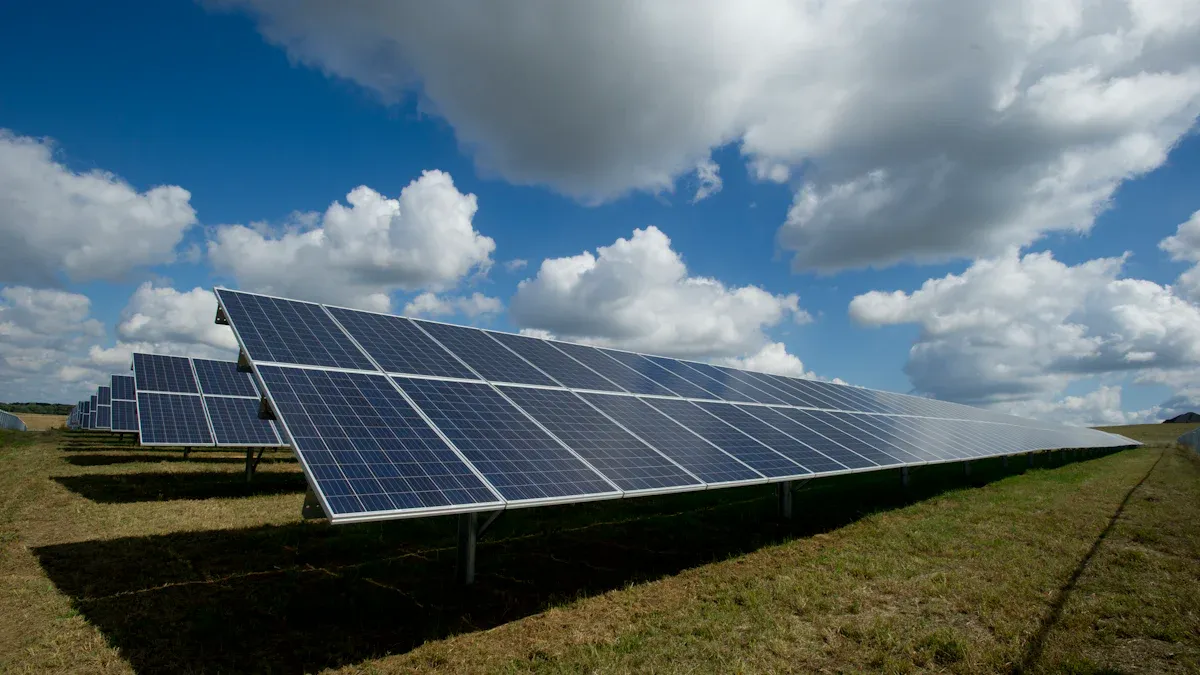
PV DC cables significantly improve your off-grid solar system efficiency. They minimize energy loss during power transmission from your solar panels to the battery bank and inverter. This ensures more usable power reaches your appliances. A proper Solar Cable is crucial for maximizing the energy you harvest in an off-grid setup.
Key Takeaways
- PV DC cables are important for off-grid solar systems. They help reduce energy loss. This means more power reaches your batteries and appliances.
- Good PV DC cables use strong materials. They have the right thickness. They also have special covers. These features make your solar system work better and last longer.
- Always choose the correct size for your cables. Check for quality and safety marks. This keeps your system safe and efficient for many years.
Understanding Energy Loss in Off-Grid Solar Systems
Voltage Drop and Resistance Basics
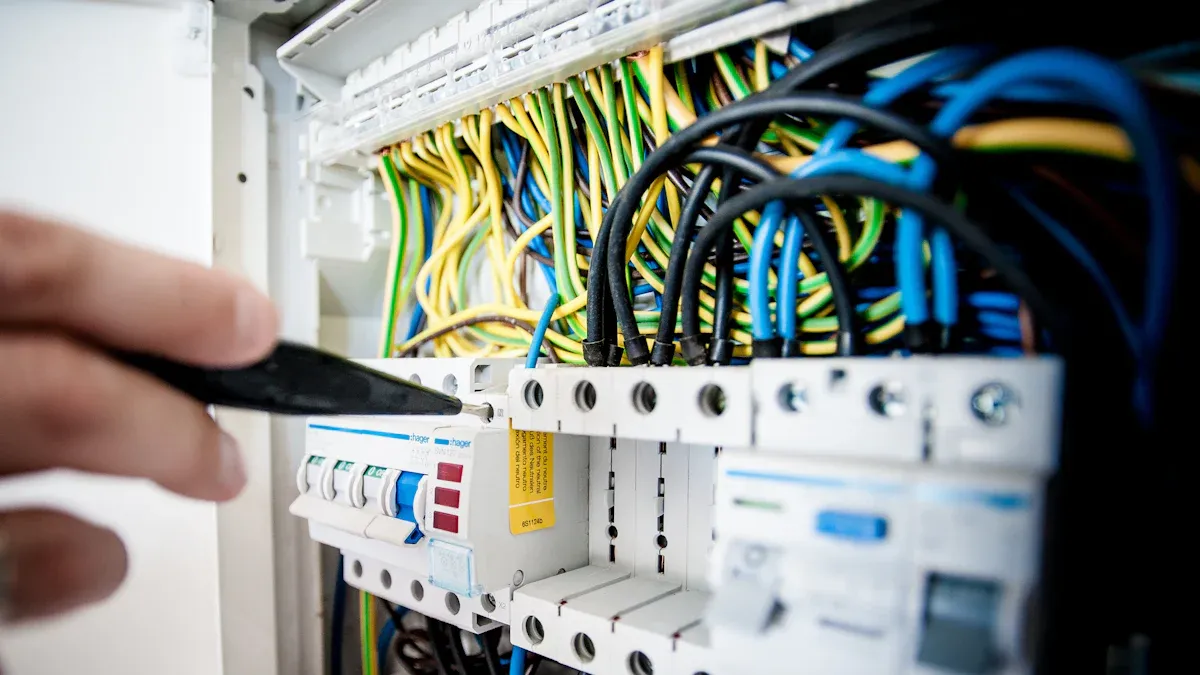
When electricity travels through a wire, it meets resistance. This resistance causes a "voltage drop." Think of it like water flowing through a pipe. If the pipe is too narrow or too long, the water pressure drops by the time it reaches the end. Similarly, electricity loses some of its "push" (voltage) as it moves through a cable. This loss means less power reaches your devices. You want to minimize this voltage drop to get the most energy from your solar panels.
Why DC Systems Lose More Power
Off-grid solar systems primarily use direct current (DC) power. DC power is different from the alternating current (AC) you find in your home's wall outlets. DC systems are more prone to power loss over distance, especially at lower voltages. This happens because power loss directly relates to the current flowing through the wire and the wire's resistance (P = I²R). Higher current means much greater power loss for the same resistance. Solar panels often produce lower voltages, which means higher currents for a given amount of power. This makes cable quality and size even more critical for DC systems. You need to manage these losses carefully to keep your system efficient.
How PV DC Cables Boost Solar System Efficiency
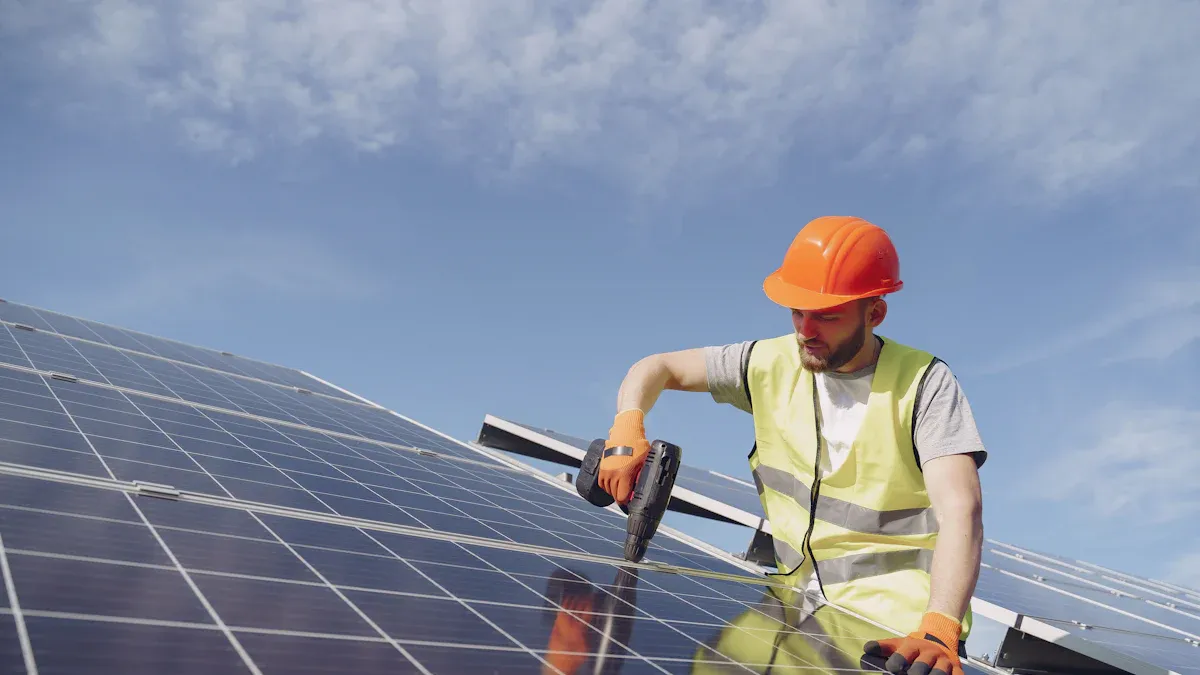
You want your off-grid solar system to work its best. The right PV DC cables play a huge role in making that happen. They help you get the most power from your panels.
Superior Conductor Materials
The material inside your solar cable matters a lot. High-quality PV DC cables use superior conductor materials. Copper is a top choice. It conducts electricity very well. This means it has low resistance. When electricity flows through a low-resistance wire, it loses less energy as heat. More of that valuable power reaches your batteries and inverter. Think of it like a super-smooth highway for electricity. A purer material ensures a smoother path. This directly boosts your system's overall efficiency.
Optimized Solar Cable Gauges
Cable gauge refers to the thickness of the wire. You might hear terms like "AWG" (American Wire Gauge). A thicker cable has less resistance. Imagine water flowing through a pipe. A wider pipe lets more water through with less effort. The same is true for electricity. A thicker solar cable allows more current to flow with less voltage drop. This means less power loss. You must choose the correct gauge for your system's power and distance. Using a cable that is too thin causes significant energy loss. This wastes the power your panels produce.
Tip: Always check your system's current and cable length requirements. This helps you pick the right cable gauge.
Specialized Insulation for Performance
The outer layer of a PV DC cable is its insulation. This insulation does more than just keep you safe from electric shock. It protects the inner conductor from the outside world. Off-grid systems often face harsh conditions. This includes intense sunlight, extreme temperatures, and moisture. Specialized insulation resists UV rays, heat, cold, and water. This protection prevents the cable from degrading over time. If insulation breaks down, the conductor can corrode. Corrosion increases resistance. This leads to more power loss. Good insulation ensures your solar cable performs reliably for many years. It helps maintain your system's high efficiency throughout its lifespan.
Selecting the Right PV DC Solar Cable
You want your off-grid solar system to perform its best. Choosing the right PV DC cables is a critical step. This ensures you get maximum power and long-term reliability.
Correct Cable Sizing for Minimal Loss
You must size your cables correctly. This is one of the most important steps. If your cables are too small, you lose power. This happens because of voltage drop. Voltage drop means less electricity reaches your batteries and inverter. You waste the energy your panels make. To size cables, you look at three things: the amount of current, the distance the power travels, and your system's voltage. Higher current or longer distances need thicker cables. Always use a cable sizing chart or an online calculator. This helps you pick the right size. Choosing the correct size keeps your system efficient. It also prevents overheating.
Tip: Undersized cables can lead to significant power loss and even fire hazards. Always err on the side of a slightly thicker cable if you are unsure.
Material Quality and Certifications
The materials in your PV DC cables matter a lot. High-quality copper conductors ensure low resistance. This means more power flows through. The insulation material is also key. It protects the copper. Good insulation resists UV rays from the sun. It also handles extreme heat and cold. Look for certifications like UL or TUV for your solar cable. These certifications mean the cable meets strict safety and performance standards. They tell you the cable is reliable. Using certified cables ensures your system works safely and efficiently for many years. A cheap, uncertified cable can fail quickly. This causes power loss and safety risks.
Environmental Resistance for Longevity
Your off-grid system faces tough weather. Sun, rain, snow, and extreme temperatures are common. Your PV DC cables need to withstand these conditions. Specialized solar cable types have outer jackets that resist UV radiation. They do not crack or become brittle in the sun. They also handle wide temperature swings. This prevents the insulation from breaking down. Moisture resistance is vital too. Water can cause corrosion and short circuits. Good cables resist abrasion. This protects them from physical damage. Choosing cables built for the outdoors ensures they last. This maintains your system's efficiency and safety over time.
Selecting the correct PV DC cables is a fundamental, cost-effective step. You significantly improve your off-grid solar system's overall efficiency, reliability, and longevity. These cables are not just wires. They are critical components. They directly impact how much usable energy your system delivers. Choose the right solar cable for lasting performance.
FAQ
What makes PV DC cables different from regular electrical wires?
PV DC cables have special insulation. It resists UV rays, extreme temperatures, and moisture. Regular wires do not offer this protection. You need these features for outdoor solar use.
How often should you replace your PV DC cables?
High-quality PV DC cables last 20-25 years. This matches your solar panels' lifespan. You should inspect them regularly. Replace them if you see any damage or wear.
Can you use a smaller cable if the distance is short?
No, you should not use a smaller cable. Even short distances need the correct gauge. A smaller cable still causes voltage drop. It also creates a fire risk. Always size your cables properly.