

 Send Email
 Whatsapp


How to Choose Solar Cables for Plug-and-Play Balcony PV Kits

Choosing the right Solar Cable is vital for your plug-and-play balcony PV kit. You need UV-resistant and weather-proof options. The appropriate gauge ensures safety, boosts efficiency, and extends the longevity of your system. Make smart choices for your solar setup.
Key Takeaways
- Choose special solar cables like PV1-F (H1Z2Z2-K). These cables handle sun, rain, and heat better than regular wires.
- Pick the right cable size. Thicker cables (like 4mm² or 6mm²) let more power flow. This stops cables from getting too hot and wasting energy.
- Look for safety marks like TÜV, UL, or CE. These marks mean the cables are safe and good quality. They help your solar kit work well for a long time.
Understanding Solar Cable Essentials for Balcony PV Kits

What Makes a Solar Cable Unique?
Solar cables are special. They are not like the wires you find inside your home. You need a cable built for tough outdoor conditions. These cables resist harsh sunlight, extreme temperatures, and moisture. Regular electrical wires would quickly degrade outside. A proper solar cable ensures your balcony PV kit stays safe and works well for many years. It handles the specific demands of solar power generation.
Key Components of a Solar Cable
Every solar cable has three main parts. First, you have the conductor. This is usually tinned copper. It carries the electricity from your solar panels. Second, an insulation layer surrounds the conductor. This layer protects you from electric shock. It also keeps the electricity flowing correctly. Third, an outer sheath covers everything. This sheath is the cable's first line of defense. It protects the inner parts from UV rays, rain, and physical damage. These components work together to make a durable and safe connection for your solar setup.
Selecting the Right Solar Cable Type and Specifications
Why PV1-F (H1Z2Z2-K) is the Standard Solar Cable
You need a specific type of cable for your balcony PV kit. PV1-F (H1Z2Z2-K) is the industry standard. This cable type offers superior performance and safety. It resists UV radiation. It also withstands ozone exposure. High temperatures do not degrade it easily. You can count on its weather resistance. This cable is halogen-free. It is also flame retardant. These features make it perfect for outdoor solar installations. Choosing PV1-F (H1Z2Z2-K) ensures your system meets safety requirements. It also guarantees long-term reliability.
Tip: Always look for the PV1-F (H1Z2Z2-K) designation when buying solar cables. This label confirms its suitability for solar applications.
Conductor Material: Tinned Copper for Outdoor Use
The conductor inside your solar cable carries electricity. Copper is an excellent conductor. It moves power efficiently. For outdoor use, you need tinned copper. Tinning means a thin layer of tin covers the copper strands. This tin layer prevents corrosion. Moisture and air can cause untinned copper to oxidize. Oxidation increases resistance. It reduces your system's efficiency. Tinned copper maintains its conductivity over many years. It ensures a stable and efficient power flow from your panels. This material choice is crucial for the longevity of your balcony PV setup.
Insulation and Sheath Materials for Solar Cables
The materials surrounding the conductor are just as important. The insulation layer protects you from electric shock. It also keeps the current flowing correctly. This layer uses special cross-linked polyolefin or similar polymers. These materials offer excellent electrical isolation. They also resist high temperatures.
The outer sheath is the cable's first defense against the elements. It must be tough. This sheath is typically made from UV-resistant XLPE (cross-linked polyethylene) or similar robust polymers. This material protects the inner components. It guards against UV rays, abrasion, and moisture. It also resists chemicals. A good sheath is flame retardant. It adds an extra layer of safety. These specialized materials ensure your solar cable withstands harsh outdoor conditions. They keep your balcony PV kit operating safely and efficiently.
Sizing Your Solar Cables for Optimal Performance and Safety
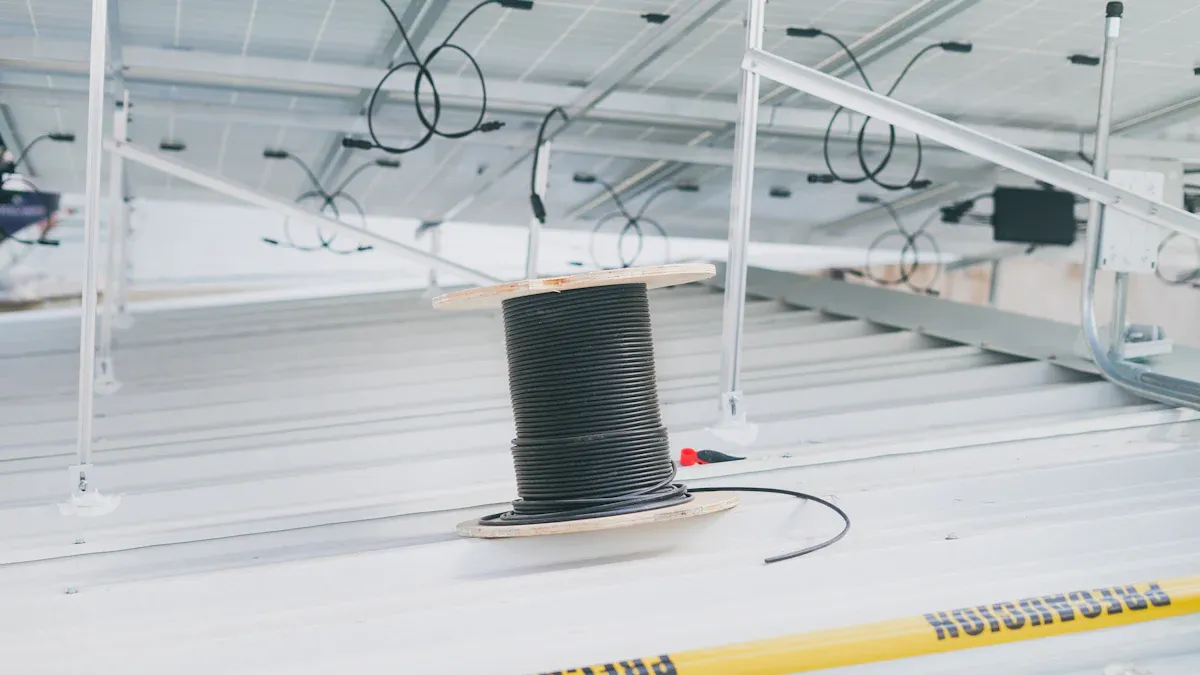
The Importance of Correct Solar Cable Gauge (AWG/mm²)
Choosing the right cable size is critical for your balcony PV kit. Cable gauge refers to the thickness of the conductor inside the cable. A thicker cable has a larger gauge number in mm² or a smaller number in AWG. Think of it like a water pipe. A wider pipe allows more water to flow easily. Similarly, a thicker cable allows more electricity to flow with less resistance. If you use a cable that is too thin, it can overheat. This creates a fire hazard. It also wastes energy. The cable loses power as heat. Correct sizing ensures safety. It also maximizes the efficiency of your solar power generation.
Factors for Calculating Required Solar Cable Size
Several factors determine the correct size for your solar cables. You need to consider these carefully:
- System Voltage: This is the voltage of your solar panels or the entire array. Higher voltage systems can use thinner cables for the same power.
- Current (Amperage): This is the amount of electricity flowing through the cable. Higher current requires thicker cables to prevent overheating and voltage drop.
- Cable Length: Longer cables have more resistance. You need thicker cables for longer runs to maintain efficiency.
- Acceptable Voltage Drop: You want to minimize power loss. A common target is a voltage drop of 1-3%. This means only 1-3% of your power is lost in the cable.
- Temperature: Cables in hot environments need to be thicker. Heat increases resistance.
You can find online calculators or consult your kit's manual. These tools help you determine the precise cable size for your specific setup.
Common Solar Cable Sizes for Balcony Kits
For most plug-and-play balcony PV kits, you will typically find specific cable sizes. These kits usually have lower power outputs and shorter cable runs. Common sizes include:
- 4 mm² (approximately 12 AWG): This size is very common for balcony kits. It handles typical currents well over short to medium distances.
- 6 mm² (approximately 10 AWG): You might use this size for slightly higher power kits or if you have a longer cable run. It offers even less resistance.
Always check the recommendations from your kit manufacturer. They design the system to work best with specific cable sizes. Using a smaller size than recommended can lead to problems.
Minimizing Voltage Drop in Solar Cables
Voltage drop is the loss of electrical pressure as electricity travels through a cable. You want to keep this loss as low as possible. High voltage drop means less power reaches your inverter or home. This reduces your system's overall efficiency.
Here are ways to minimize voltage drop:
- Use Thicker Cables: This is the most effective method. A thicker cable has less resistance.
- Keep Cable Runs Short: Shorter cables naturally have less resistance. Position your inverter or connection point as close to your panels as possible.
- Check Connections: Loose or corroded connections also add resistance. Ensure all connections are tight and clean.
Tip: Aim for a voltage drop of no more than 2-3% for your DC solar cables. This ensures your balcony PV kit operates efficiently.
Safety, Compliance, and Practical Tips for Solar Cables
Essential Certifications for Solar Cables (TÜV, UL, CE)
You must choose certified cables. Look for marks like TÜV, UL, or CE. These certifications mean the cable meets strict safety and quality standards. They confirm the cable is safe for solar use. These marks give you peace of mind. They ensure your balcony PV kit operates reliably.
Fire Resistance and Halogen-Free Solar Cables
Safety is paramount. Select cables that resist fire. Halogen-free cables are a smart choice. They produce less toxic smoke if a fire occurs. This protects your home and family. Always prioritize fire-resistant options for your setup.
IP Rating for Solar Cable Environmental Protection
Check the IP rating of your cables. This rating tells you how well the cable resists dust and water. A higher IP number means better protection. For outdoor use, you need a high IP rating. This keeps moisture and dirt out. It ensures your connections stay safe and functional.
Matching Solar Cables to Your System Components (MC4)
Your cables must match your system's connectors. MC4 connectors are standard for solar panels. Ensure your solar cable has compatible MC4 connectors. This creates a secure and waterproof connection. Mismatched connectors can cause problems. They can lead to poor performance or safety risks.
Optimizing Solar Cable Length for Efficiency
Keep your cable runs as short as possible. Shorter cables mean less power loss. This makes your system more efficient. Plan your panel and inverter placement carefully. Minimize the distance electricity travels. This maximizes your energy harvest.
Protecting Solar Cables from Environmental Damage
Protect your cables from physical damage. Use cable ties or conduits. This keeps them tidy and safe. Animals can chew on exposed cables. UV rays and abrasion can also degrade them. Proper protection extends the life of your cables.
Always prioritize PV1-F (H1Z2Z2-K) solar cables. Ensure they have correct sizing. Look for robust UV and weather resistance. Confirm relevant safety certifications. Choosing the right cables ensures safety, efficiency, and longevity for your balcony solar setup. This smart decision protects your investment.
FAQ
Can I use regular electrical wire for my balcony PV kit?
No, you cannot. Regular wires degrade quickly outdoors. Solar cables resist UV, weather, and temperature extremes. They ensure safety and long-term performance for your system.
How often should I inspect my solar cables?
You should inspect your cables annually. Look for cracks, fraying, or damage. Check connections for tightness. This helps prevent issues and keeps your system safe.
What is the most crucial aspect when choosing solar cables?
You must prioritize safety and efficiency. Select PV1-F (H1Z2Z2-K) cables. Ensure correct sizing and proper certifications. This guarantees your balcony PV kit works well.