

 Send Email
 Whatsapp


what size solar cable do i need
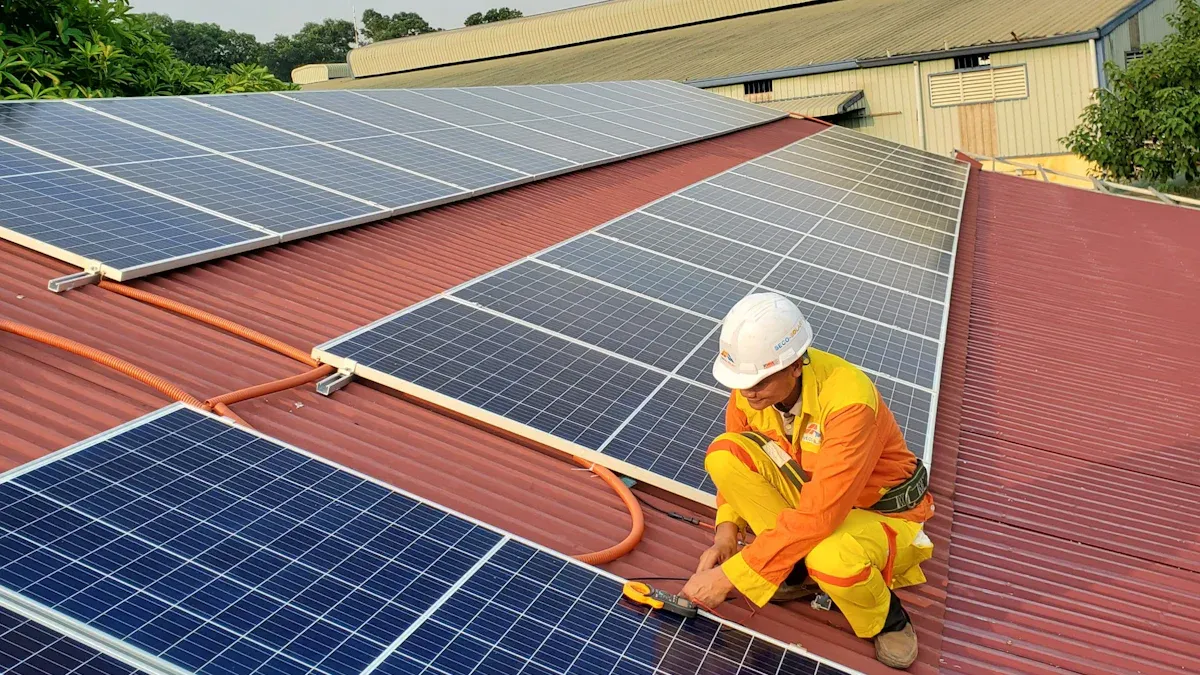
You need to pick the right Solar Cable size for your solar system. Calculate based on your system’s voltage, current, and cable length.
- Thicker cables handle more current and longer distances.
- The correct size helps prevent overheating, voltage drop, and power loss.
Key Takeaways
- Choose the right solar cable size to keep your system safe and efficient by preventing overheating and power loss.
- Use the cable sizing formula or a gauge chart with your system’s voltage, current, and cable length to find the correct cable thickness.
- Always measure the full cable length (there and back) and pick a thicker cable if in doubt to reduce voltage drop and protect your equipment.
How to Calculate Solar Cable Size
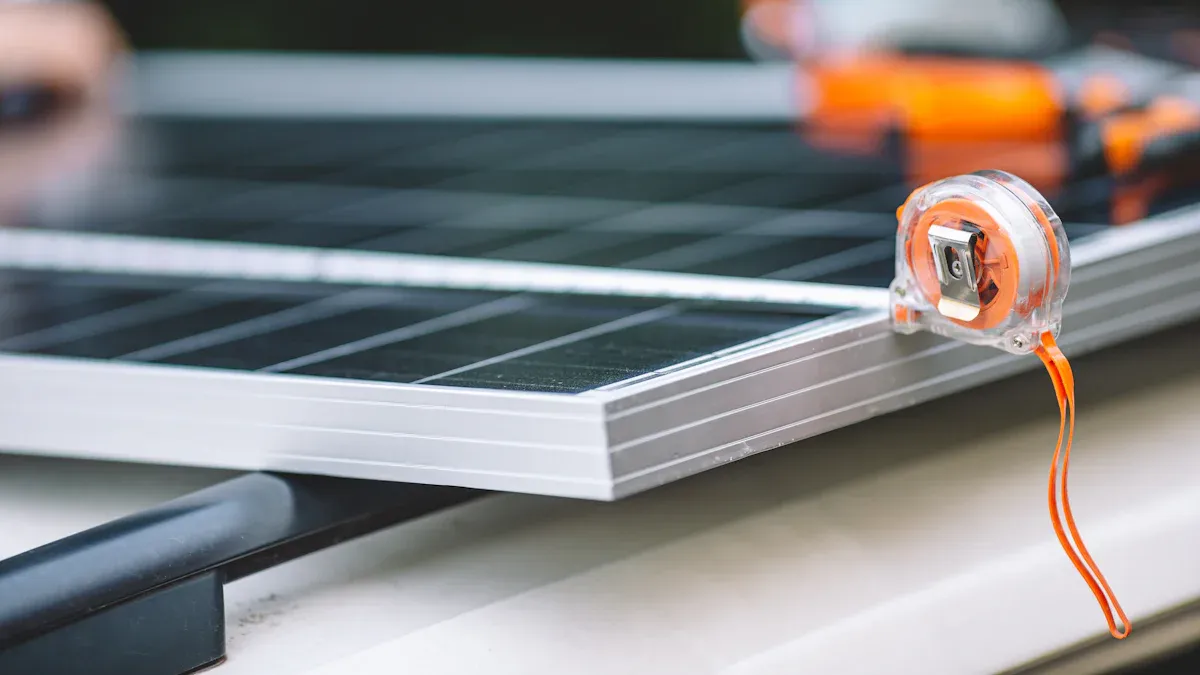
Basic Formula for Solar Cable Sizing
You can find the right solar cable size by using a simple formula. This formula helps you figure out how thick your cable needs to be so it can carry the current safely.
The basic formula is:
Cable Size (mm²) = (2 × Length × Current) ÷ (Voltage × Allowable Voltage Drop) - Length is the distance from your solar panel to your device (in meters).
- Current is the amount of electricity flowing (in amps).
- Voltage is the system voltage (like 12V, 24V, or 48V).
- Allowable Voltage Drop is usually 3% (or 0.03).
Tip: Always use the total length of the cable (there and back) in your calculation.
Understanding Voltage Drop and Cable Length
Voltage drop happens when electricity travels through a cable. If the cable is too long or too thin, you lose power along the way. This can make your solar system less efficient.
- Longer cables cause more voltage drop.
- Thicker cables reduce voltage drop.
You want to keep voltage drop below 3%. If you use a cable that is too small, your devices may not work well. Always measure the distance from your solar panels to your batteries or inverter. Double the length for the round trip.
Using a Solar Cable Gauge Chart
A solar cable gauge chart helps you pick the right cable size quickly. You match your system’s current and cable length to the chart. The chart tells you which cable size (gauge or mm²) you need.
Here is a simple example:
| Current (Amps) | Distance (Feet) | Cable Size (AWG) |
|---|---|---|
| 10 | 10 | 14 |
| 10 | 20 | 12 |
| 20 | 10 | 12 |
| 20 | 20 | 10 |
Note: AWG stands for American Wire Gauge. A lower AWG number means a thicker cable.
Always check the chart before buying your solar cable. This helps you avoid mistakes and keeps your system safe.
Example Solar Cable Size Calculations
Let’s look at an example. You have a 12V solar system. Your solar panels produce 10 amps. The distance from your panels to your battery is 20 feet.
-
Double the distance for the round trip: 20 ft × 2 = 40 ft.
-
Use the formula:
Cable Size (mm²) = (2 × 12.2 × 10) ÷ (12 × 0.03)(12.2 meters is about 40 feet)
-
Calculate:
- Top: 2 × 12.2 × 10 = 244
- Bottom: 12 × 0.03 = 0.36
- 244 ÷ 0.36 ≈ 678 mm²
This number seems high because the formula uses metric units. Most people use a solar cable gauge chart to make it easier. For 10 amps over 20 feet, you can use a 12 AWG cable. If you go longer, use a thicker cable.
Always round up to the next thicker cable size for safety.
Choosing Solar Cable Size for Each Connection
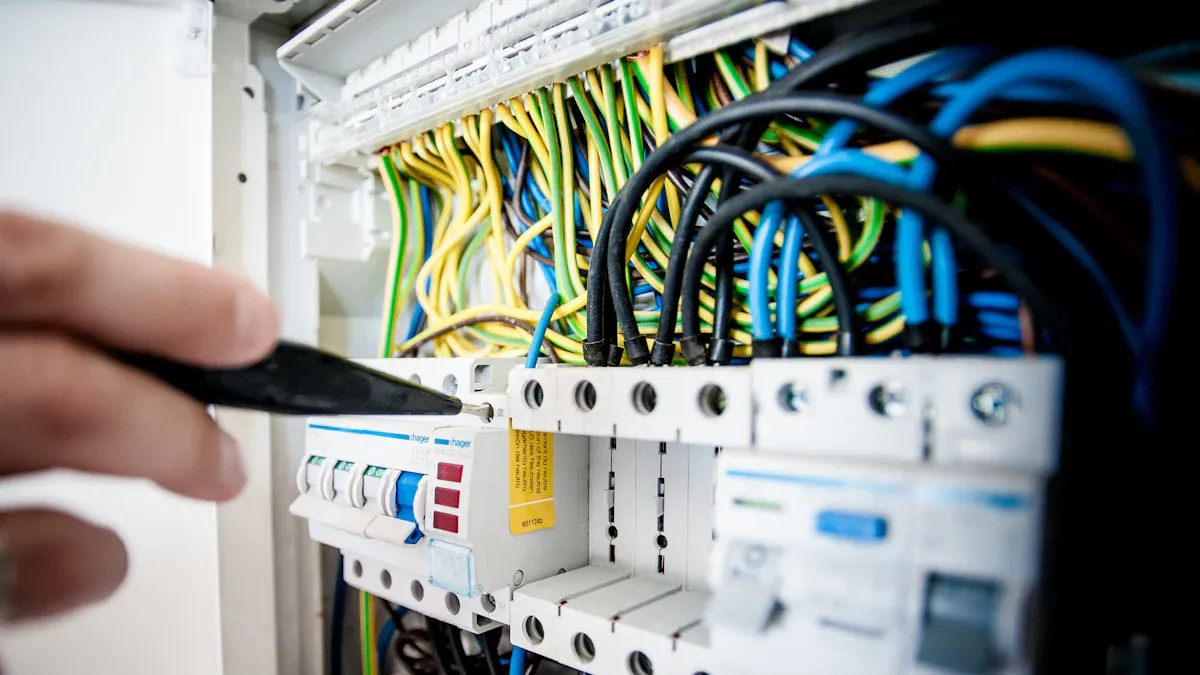
Solar Panels to Charge Controller
You need to choose the right solar cable size for the connection between your solar panels and the charge controller. This cable carries the current from your panels. If you use a cable that is too thin, you risk losing power and overheating. Measure the distance from your panels to the controller. Use the cable sizing formula or a gauge chart to pick the correct size. For most small systems, a 10 AWG or 12 AWG cable works well, but always check your current and distance.
Charge Controller to Battery Bank
The cable from your charge controller to your battery bank must handle the full charging current. This connection often needs a thicker solar cable because the current can be high. Check the output current rating of your charge controller. Use a cable size that keeps voltage drop below 3%. If your batteries sit far from the controller, you may need an even thicker cable.
Battery Bank to Inverter
Your inverter draws a lot of current, especially if you use high-power devices. You must use a thick cable for this connection. Shorter cables work best, but if you need a longer run, increase the cable size. Always follow the inverter’s manual for recommended cable sizes.
Between Batteries
When you connect batteries in parallel, use cables that match the battery bank’s maximum current. Thick cables help balance the load and keep your system safe. Use the same length and size for each connection to ensure even charging.
Tip: Double-check each connection and use the correct solar cable size for every part of your system.
Choosing the correct solar cable size keeps your solar system safe and efficient. Always use the formula, check the cable gauge chart, and measure cable length. Double-check your work. If you feel unsure, ask an expert for help. Careful planning protects your investment.
FAQ
What happens if you use a cable that is too thin?
You risk overheating, voltage drop, and power loss. Your system may not work well. Always choose the correct cable size for safety.
Can you use regular electrical wire for solar panels?
You should not use regular wire. Solar cables resist sunlight and weather. They last longer outdoors and keep your system safe.
How do you measure the distance for cable sizing?
- Measure from your solar panel to your device.
- Double the length for the round trip.
- Use this total distance in your cable size calculation.