

 Send Email
 Whatsapp


The BEST Cable Size for SOLAR
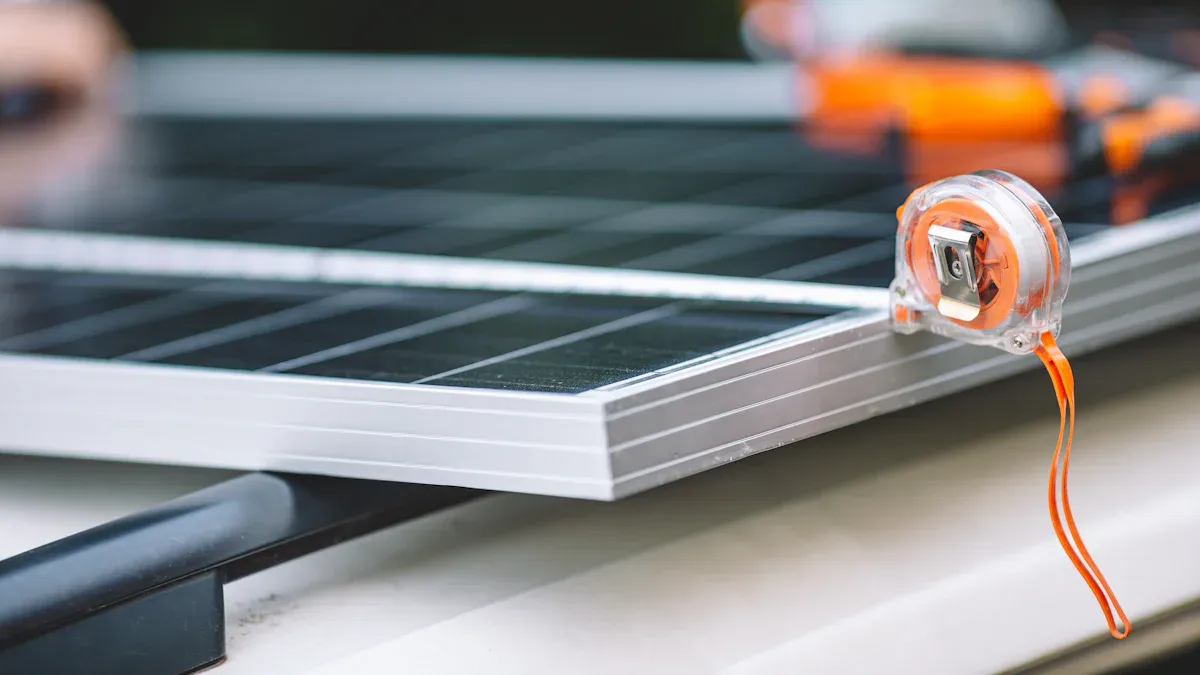
Choosing the right Solar Cable helps you keep your solar power system safe and efficient. Most home solar setups work well with 10 AWG cable. You need to check your system’s voltage, amperage, and cable length before you pick a size. This step prevents power loss and overheating.
Key Takeaways
- Choose the right cable size based on your solar system’s voltage, amperage, and cable length to keep it safe and efficient.
- Use thicker cables for longer distances or higher currents to prevent power loss, overheating, and fire risks.
- Always check your calculations with a voltage drop formula, wire size chart, or a professional to ensure your system works well and lasts longer.
Why Solar Cable Size Matters
Safety and Fire Prevention
You need to choose the right cable size to keep your solar system safe. If you use a cable that is too small, it can overheat. Overheated wires may melt or even start a fire. Always check the cable’s rating for your system’s voltage and current. This step helps you avoid dangerous situations at home.
Tip: Always use cables that meet safety standards for solar installations.
Efficiency and Power Loss
A proper cable size helps your solar system work better. Thin cables can waste energy as heat. This loss means you get less power from your panels. When you pick the correct size, you keep more of the energy your panels make. You also save money because your system runs more efficiently.
- Less power loss means more electricity for your home.
- Efficient systems last longer and need fewer repairs.
Voltage Drop in Solar Cable
Voltage drop happens when electricity travels through a cable. If the cable is too long or too thin, you lose voltage along the way. This drop can make your solar panels less effective. You want to keep voltage drop below 3% for best results. Use a voltage drop calculator to help you pick the right solar cable for your setup.
How to Choose the Right Solar Cable Size
Key Factors: Amperage, Voltage, and Distance
You need to look at three main things when picking the right cable size for your solar system. These are amperage, voltage, and distance. Each one affects how much electricity can safely travel through the wire.
- Amperage tells you how much current flows through the cable. Higher amperage needs a thicker cable.
- Voltage is the pressure that pushes electricity through the cable. Systems with higher voltage can use thinner cables for the same power, but you still need to check the cable’s rating.
- Distance is the length of the cable run from your solar panels to your inverter or battery. Longer distances increase voltage drop, so you may need a thicker cable.
Note: Always check the manufacturer’s ratings for your equipment. This helps you avoid mistakes and keeps your system safe.
Basic Formula for Solar Cable Sizing
You can use a simple formula to estimate the right cable size. This formula helps you figure out how much voltage drop will happen over a certain distance.
Voltage Drop (%) = (2 × Length × Current × Resistance) ÷ (Voltage × 1000) - Length is the one-way distance in feet.
- Current is the amperage in amps.
- Resistance is the cable’s resistance per 1000 feet (you can find this in wire charts).
- Voltage is your system’s voltage.
You want to keep the voltage drop below 3%. This keeps your system efficient and safe.
Step-by-Step Calculation Guide
You can follow these steps to choose the right cable size for your solar setup:
-
Find Your System’s Amperage:
Look at your solar panel’s output or your inverter’s input. Write down the maximum current in amps. -
Measure the Cable Distance:
Measure the length from your solar panels to your inverter or battery. Double this number for a round-trip distance. -
Check Your System Voltage:
Write down if your system is 12V, 24V, or 48V. -
Decide on Maximum Voltage Drop:
Most people use 3% as the limit for voltage drop. -
Use the Formula:
Plug your numbers into the voltage drop formula. You can also use online calculators for quick results. -
Check a Wire Size Chart:
Find the cable size that matches your needs. Make sure the cable can handle your system’s amperage and keeps voltage drop below 3%.
Tip: If you are not sure, choose the next thicker cable size. This gives you extra safety and better performance.
| System Voltage | Max Amps | Distance (ft) | Suggested Cable Size (AWG) |
|---|---|---|---|
| 12V | 10 | 20 | 8 |
| 24V | 10 | 20 | 10 |
| 48V | 10 | 20 | 12 |
You can use this table as a starting point. Always check your own numbers before making a final choice.
Solar Cable Size Example Calculations
12V System Example
You have a 12V solar system with a maximum current of 10 amps. The distance from your solar panels to your battery is 15 feet. You want to keep voltage drop under 3%.
- Double the distance for a round trip: 15 ft × 2 = 30 ft.
- Use the voltage drop formula:
Voltage Drop (%) = (2 × 15 × 10 × 1.588) ÷ (12 × 1000)
(1.588 is the resistance for 12 AWG wire per 1000 ft) - Calculate:
Voltage Drop (%) = (2 × 15 × 10 × 1.588) ÷ 12,000 = 0.0397 or 3.97%
This result is above 3%. You should use a thicker wire, like 10 AWG, to lower the voltage drop.
24V System Example
You set up a 24V system with a 10 amp current and a 20-foot cable run. Double the distance for round trip: 40 feet.
- Try 12 AWG wire:
Voltage Drop (%) = (2 × 20 × 10 × 1.588) ÷ (24 × 1000) = 0.0265 or 2.65%
This value is below 3%. You can use 12 AWG solar cable for this setup.
Long Distance Run Example
You install solar panels 50 feet from your inverter on a 24V system with 10 amps. The round trip is 100 feet.
- Try 8 AWG wire (resistance 0.628 per 1000 ft):
Voltage Drop (%) = (2 × 50 × 10 × 0.628) ÷ (24 × 1000) = 0.0262 or 2.62%
You see that 8 AWG wire keeps voltage drop low for long runs.
Always check your numbers before choosing a solar cable. Thicker wires help prevent power loss over long distances.
Solar Cable Size Quick Reference Chart
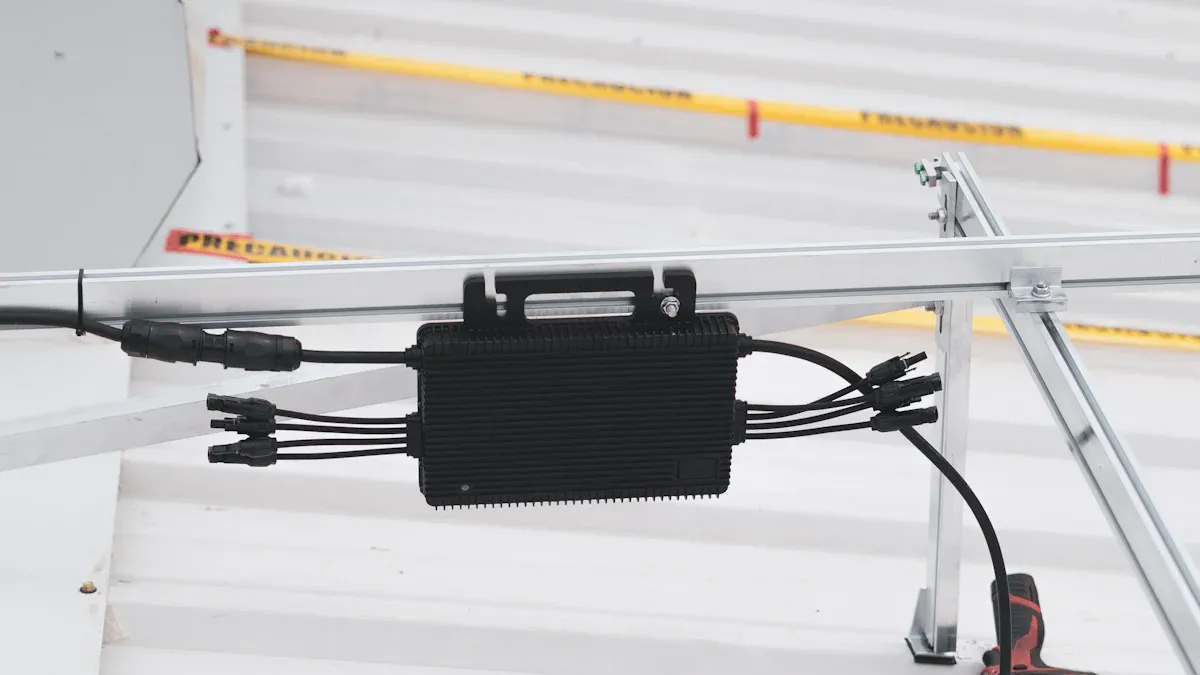
You can use a quick reference chart to help you pick the right wire size for your solar setup. This chart shows the recommended American Wire Gauge (AWG) for different system voltages, amperages, and cable lengths. You do not need to do any math. Just find your system’s voltage and the distance from your panels to your inverter or battery.
| System Voltage | Max Amps | Distance (ft) | Recommended Wire Size (AWG) |
|---|---|---|---|
| 12V | 10 | 10 | 10 |
| 12V | 10 | 20 | 8 |
| 12V | 10 | 40 | 6 |
| 24V | 10 | 10 | 12 |
| 24V | 10 | 20 | 10 |
| 24V | 10 | 40 | 8 |
| 48V | 10 | 10 | 14 |
| 48V | 10 | 20 | 12 |
| 48V | 10 | 40 | 10 |
Tip: Always round up to the next thicker wire size if you are unsure. This step gives you extra safety and helps prevent voltage drop.
You can use this chart for most home solar systems. If your system uses more current or has longer cable runs, you should choose a thicker wire. You also need to check the wire’s amp rating to make sure it matches your needs. When you plan your installation, always use wire that meets local electrical codes.
If you want to double-check your choice, you can use an online calculator or ask a professional. Picking the right wire size keeps your system safe and efficient. You only need to use this chart as a starting point. Your exact setup may need a different size, especially if you have a unique layout.
Common Solar Cable Scenarios and Recommendations
Short Runs (Under 10 Feet)
Short cable runs are common in small solar setups. If your panels sit close to your inverter or battery, you can use thinner wire. For most 12V or 24V systems under 10 feet, 10 AWG wire works well. This size keeps voltage drop low and handles typical current levels. Always check your system’s amperage before you choose the wire.
Tip: Shorter runs mean less power loss. You save money by using less wire and smaller sizes.
Medium Runs (10-30 Feet)
Medium runs need more attention. As the distance grows, voltage drop becomes a bigger problem. For 10-30 feet, you often need 8 AWG or even 6 AWG wire, especially for 12V systems. Higher voltage systems, like 24V or 48V, can use thinner wire for the same distance. Always double-check your calculations to keep voltage drop below 3%.
Long Runs (Over 30 Feet)
Long cable runs need thick wire. If your panels sit far from your inverter, use 6 AWG or thicker. This step helps prevent voltage drop and keeps your system efficient. For very long runs, you may need to move to 4 AWG or even thicker. Always measure the total distance and check your system’s current.
Off-Grid vs. Grid-Tied Systems
Off-grid systems often use lower voltages and higher currents. You need thicker wire to handle the load. Grid-tied systems usually run at higher voltages, so you can use thinner wire for the same power. Always match your wire size to your system type and follow local codes.
Risks of Using the Wrong Solar Cable Size
Overheating and Fire Hazards
When you use a cable that is too thin for your system, it cannot handle the amount of current. The wire heats up as electricity flows through it. If the heat builds up, the insulation around the wire can melt. This creates a serious fire risk in your home. You might also notice a burning smell or see smoke near the wires.
Alert: Always check the wire’s amp rating before you install it. Safety comes first.
You can prevent these dangers by choosing the correct cable size. Thick enough wires carry current safely and stay cool during operation.
Reduced System Performance
If you pick the wrong cable size, your solar power system will not work as well as it should. Thin wires cause voltage drop, which means less power reaches your inverter or battery. You may see your lights dim or your appliances run poorly. Your system will waste energy as heat instead of sending it to your home.
- You lose efficiency.
- Your batteries may not charge fully.
- Your equipment could wear out faster.
A good cable size keeps your system strong and reliable. You get the most power from your panels and protect your investment.
You should always size your solar cable based on voltage, amperage, and distance. The right choice keeps your system safe and efficient. If you feel unsure, use a solar cable calculator or ask a professional. Careful planning gives you reliable power for years.
FAQ
What happens if you use a cable that is too thin for your solar system?
You risk overheating the wire. This can cause a fire. You also lose power because thin wires waste energy as heat.
Can you use regular electrical wire for solar panels?
You should not use regular electrical wire. Solar cables have special insulation. They resist sunlight and weather. Always pick wire rated for solar use.
How do you know if your solar cable is the right size?
Check your system’s voltage, amperage, and cable length. Use a wire size chart or calculator. If you feel unsure, ask a professional for help.