
 Send Email
 Whatsapp


which solar cable is best

You want the Best Solar Cable for your solar system. PV1-F or H1Z2Z2-K cable uses XLPE insulation and tinned copper. These cables give you strong protection against sunlight, rain, and wind. Many experts trust them for both homes and businesses.
Key Takeaways
- Choose PV1-F or H1Z2Z2-K solar cables for strong protection against weather and sunlight, ensuring your system lasts longer and works safely.
- Pick the right cable size by considering your system’s voltage, current, and distance to avoid power loss and keep your solar setup efficient.
- Always use certified cables with marks like UL or TÜV to meet safety standards, reduce risks, and pass inspections easily.
Why PV1-F/USE-2 Solar Cable Is Best
Durability and Weather Resistance
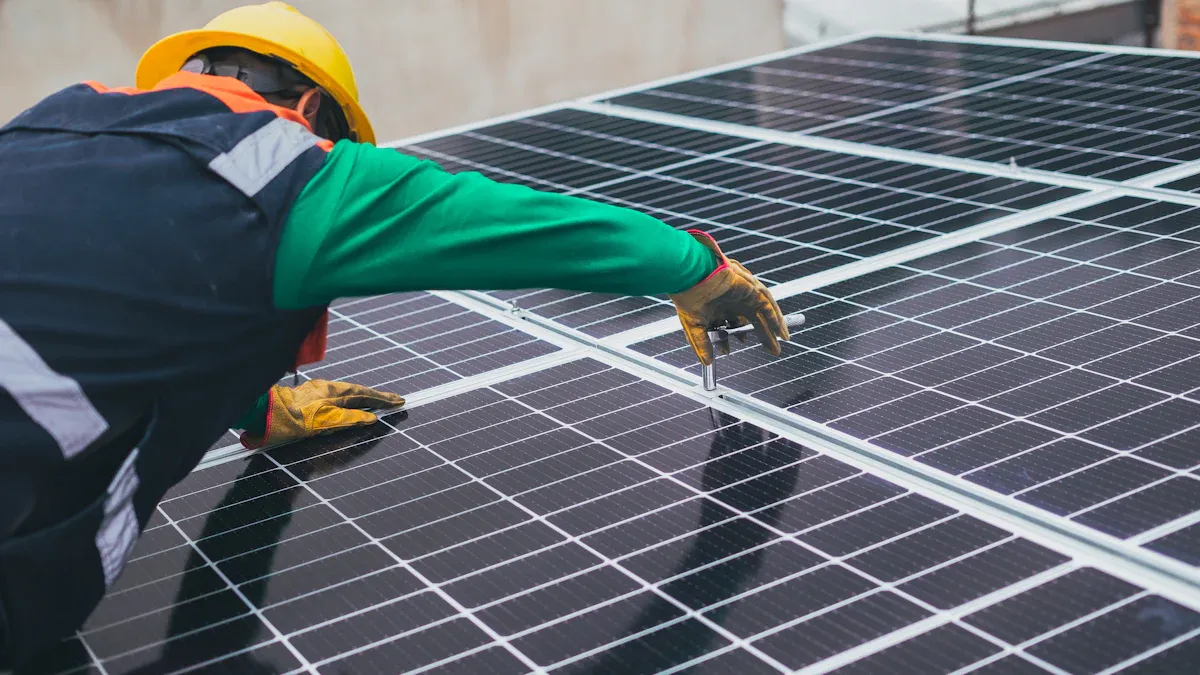
You want your solar system to last for many years. PV1-F and H1Z2Z2-K cables help you achieve this goal. These cables use XLPE insulation, which stands for cross-linked polyethylene. This material protects the wires from heat, cold, and moisture. You can install these cables outside, and they will not crack or break easily.
Tip: If you live in a place with strong sunlight or heavy rain, PV1-F and H1Z2Z2-K cables give you extra peace of mind.
The outer layer of these cables resists UV rays. Sunlight will not damage them quickly. You can trust these cables to keep working, even in tough weather.
Flexibility and Ease of Installation
You may need to bend and route cables around corners or through tight spaces. PV1-F and H1Z2Z2-Kcables offer great flexibility. You can shape them without much effort. This makes your installation process faster and easier.
- You can pull these cables through conduits with less force.
- You can connect them to solar panels and inverters without trouble.
- You can reduce the risk of damaging the cable during installation.
Flexible Cables also help you avoid sharp bends, which can weaken other types of wires. You get a safer and more reliable solar cable setup.
Safety Certifications and Standards
You want to make sure your solar system is safe. PV1-F and H1Z2Z2-K cables meet strict safety standards. These cables have certifications from trusted organizations. For example, they often carry TÜV or UL marks. These marks show that the cables passed tests for fire resistance, electrical safety, and durability.
| Certification | What It Means for You |
|---|---|
| TÜV | Tested for European safety |
| UL | Meets U.S. safety standards |
When you choose a certified solar cable, you lower the risk of fire or electrical problems. You also make it easier to pass inspections for your solar project.
How to Choose the Right Solar Cable Size
Understanding Cable Gauge (AWG)
You need to know about cable gauge before you pick a wire. The American Wire Gauge (AWG) system tells you how thick a wire is. Lower AWG numbers mean thicker wires. Thicker wires can carry more electricity. For example, a 10 AWG wire is thicker than a 14 AWG wire. You should check the AWG number on the cable to make sure it matches your needs.
| AWG Size | Typical Use | Max Amps |
|---|---|---|
| 14 | Small systems | 15 |
| 12 | Medium systems | 20 |
| 10 | Larger systems | 30 |
Tip: Always choose a wire size that can handle more current than your system produces.
Calculating Based on Voltage, Current, and Distance
You must think about three things: voltage, current, and distance. Higher current or longer distance means you need a thicker wire. If you use a thin wire for a long run, you lose power. You can use online calculators to help you pick the right size. Enter your system’s voltage, the current, and the length of the wire. The calculator will suggest the best AWG size.
- Find your system’s voltage and current.
- Measure the distance from your panels to your inverter.
- Use a calculator to get the right wire size.
Avoiding Voltage Drop
Voltage drop happens when electricity travels through a wire and loses some power. You want to keep voltage drop below 3%. If the drop is too high, your system will not work well. To avoid this, use a thicker wire for long distances. Check your system after installation to make sure the voltage drop stays low.
Note: Keeping voltage drop low helps your solar system run safely and efficiently.
Comparing Popular Solar Cable Types
PV1-F Solar Cable
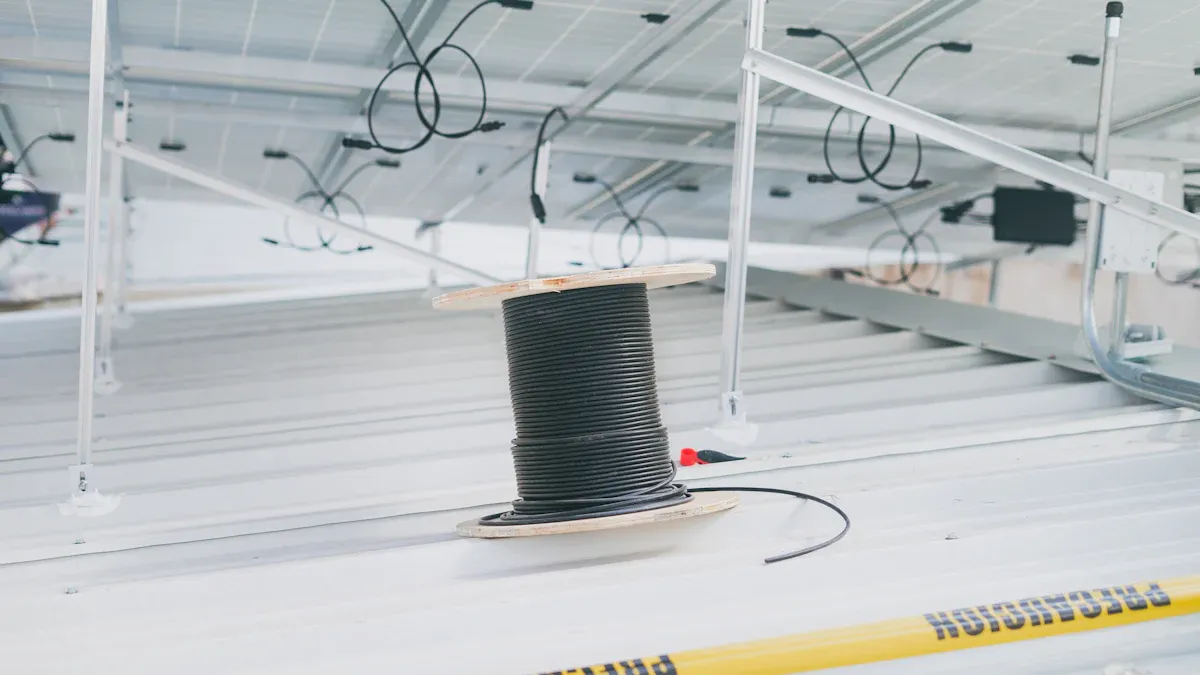
You will find PV1-F cables in many modern solar systems. These cables use tinned copper for the conductor. The insulation is XLPE, which stands for cross-linked polyethylene. This material gives you strong protection against heat, cold, and UV rays. PV1-F cables bend easily, so you can install them in tight spaces. You can use them outdoors or indoors. Many installers trust PV1-F because it meets strict safety standards in Europe and other regions.
USE-2 Solar Cable
USE-2 cables work well for solar panel wiring, especially in the United States. These cables use a single conductor and XLPE insulation. You can use them above ground or buried underground. USE-2 cables resist sunlight and moisture. They also handle high temperatures. You will often see USE-2 cables in residential and commercial solar projects.
THHN Solar Cable
THHN cables are common in electrical work, but they do not work best for solar systems. These cables use PVC insulation, which does not resist UV rays as well as XLPE. You can use THHN indoors, but it does not last long outside. If you use THHN for your solar project, you may face safety risks and faster wear.
Note: Always check if your cable type matches your installation needs.
Why PV1-F/USE-2 Solar Cable Is Preferred
You should choose PV1-F or USE-2 cables for most solar projects. These cables last longer outdoors and meet important safety codes. They protect your system from weather and electrical problems. You get peace of mind and better performance when you use the right solar cable.
Key Factors When Selecting Solar Cable
UV and Weather Resistance
You need a cable that can handle sunlight, rain, and wind. UV resistance keeps the cable safe from the sun’s rays. Weather resistance protects it from water and temperature changes. If you pick a cable with these features, your solar system will last longer outside.
Tip: Always check the cable label for UV and weather resistance before you buy.
Insulation Material
The insulation material keeps the wire safe from heat and damage. XLPE insulation works best for most solar systems. It stands up to high temperatures and does not crack easily. PVC insulation costs less, but it does not last as long outdoors.
| Insulation Type | Best Use | Durability |
|---|---|---|
| XLPE | Outdoor, solar | High |
| PVC | Indoor | Medium |
Flexibility
Flexible cables make your job easier. You can bend them around corners or fit them into tight spaces. This helps you avoid damage during installation. Flexible cables also reduce the risk of breaks over time.
Certification and Compliance
You want a cable that meets safety rules. Look for marks like UL or TÜV. These show the cable passed safety tests. Certified cables help you pass inspections and keep your system safe.
Price and Availability
You should compare prices before you buy. Some cables cost more because they last longer or have better features. Make sure the cable you choose is easy to find in your area. This helps you finish your project on time.
Common Solar Cable Mistakes to Avoid
Using Non-Rated Cables
You might think any wire will work for your solar project. This is not true. Non-rated cables do not have the right protection for outdoor use. They can break down quickly in sunlight or rain. If you use these cables, you risk fire or system failure. Always check the label before you buy. Look for cables rated for solar use.
Tip: Only use cables that have clear ratings for UV and weather resistance.
Choosing Undersized Cables
You may want to save money by picking thinner wires. This choice can cause big problems. Undersized cables cannot carry enough current. They heat up and waste energy. Your system may lose power or even stop working. Use a cable size that matches your system’s needs. If you are not sure, ask a professional or use an online calculator.
- Thicker cables carry more current safely.
- Proper sizing helps your system last longer.
Ignoring Certification
You need to pay attention to cable certification. Certified cables meet strict safety standards. They pass tests for fire, heat, and electrical safety. If you ignore certification, you risk failing inspections. Your system may not meet local codes. Always look for marks like UL or TÜV on the cable.
| Certification | What It Means |
|---|---|
| UL | U.S. safety tested |
| TÜV | European standard |
Note: Certified cables protect your investment and keep your system safe.
You want your solar system to work safely and last a long time. PV1-F or USE-2 solar cable gives you strong protection and meets important safety rules. Always choose certified, properly sized cables for your project. This choice helps your system run better and keeps you safe.
FAQ
What is the difference between PV1-F and USE-2 cables?
PV1-F cables work worldwide and offer more flexibility. USE-2 cables are common in the U.S. Both give you strong weather and UV protection.
Can you use regular electrical wire for solar panels?
You should not use regular wire. Solar cables have special insulation and UV protection. These features keep your system safe outdoors.
How do you know if a solar cable is certified?
Look for marks like UL or TÜV on the cable. These marks show the cable passed safety tests and meets important standards.