
 Send Email
 Whatsapp


Extending the Lifespan of DC Photovoltaic Cables: Expert Tips
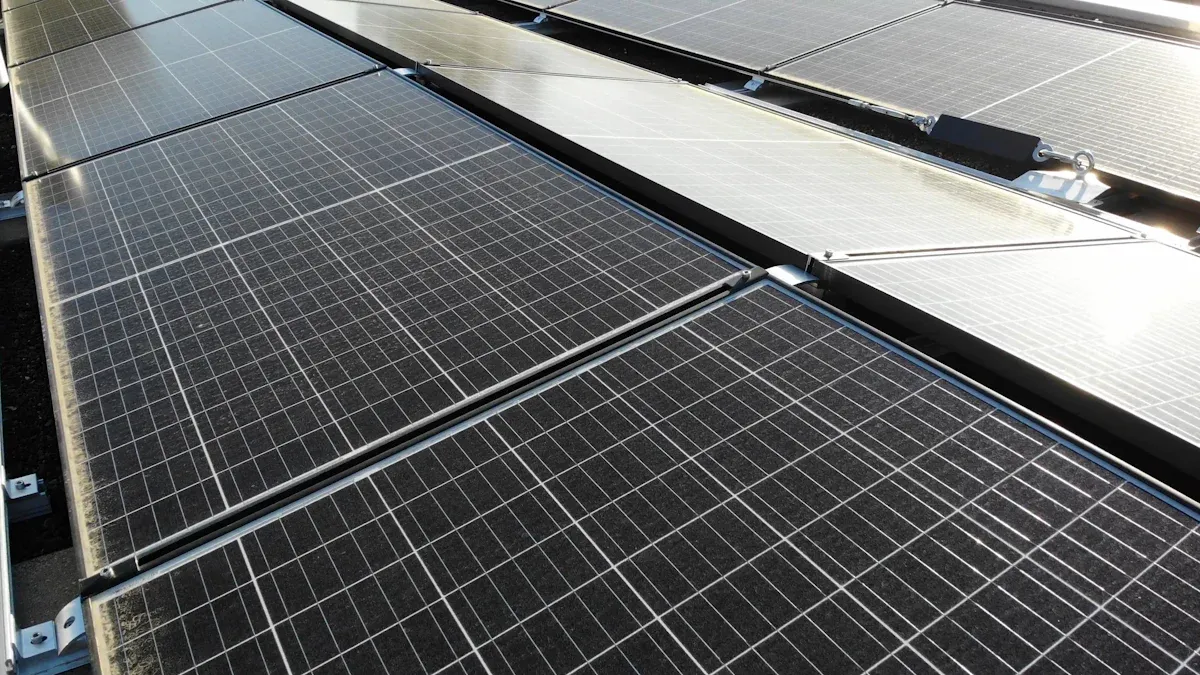
Maintaining DC Photovoltaic Cables is crucial for optimal solar energy production. When you keep your cables in good condition, you enhance system efficiency and reduce the risk of costly repairs. Extending the lifespan of your solar cable not only saves money but also supports a sustainable energy future.
Key Takeaways
- Properly manage your solar cables during installation to prevent damage. Choose the right cables and connectors, and follow manufacturer guidelines.
- Protect your cables from UV rays and harsh weather. Use UV-resistant materials and weatherproof connectors to enhance durability.
- Conduct regular inspections of your solar cables at least twice a year. Look for signs of damage, corrosion, and ensure connections are tight.
Optimal Cable Management
Proper Installation Techniques
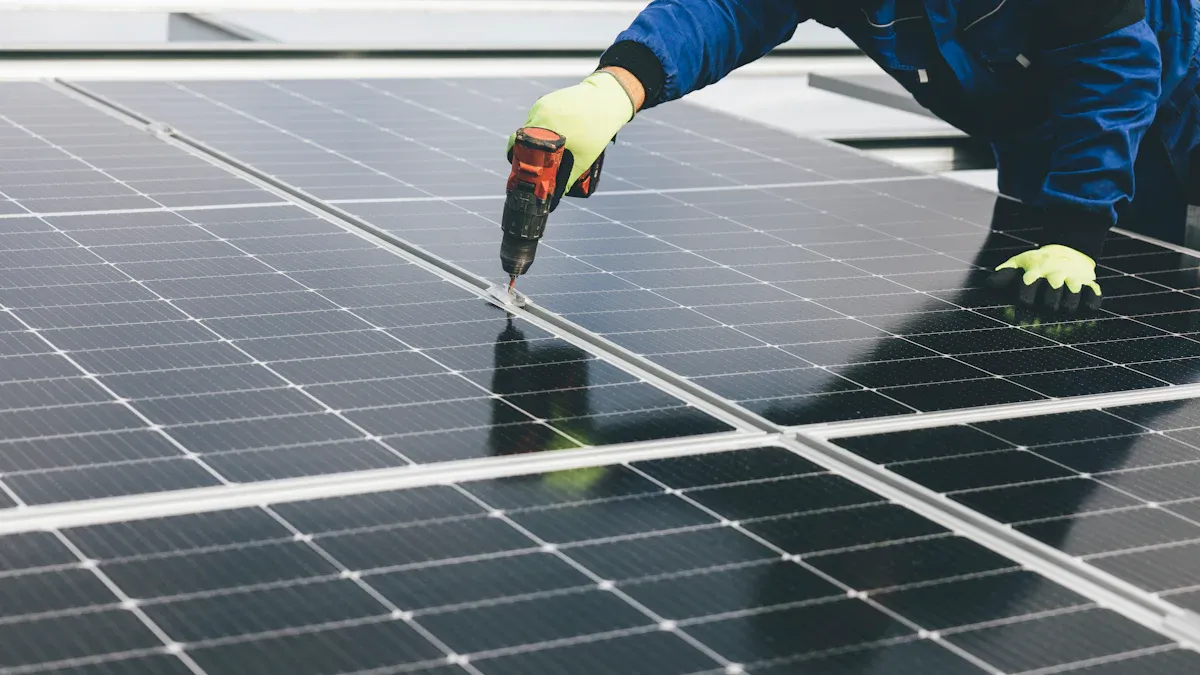
Proper installation of your solar cables is essential for their longevity. Start by following these key steps:
- Choose the Right Cable: Select cables that meet the specifications for your solar system. Ensure they can handle the voltage and current requirements.
- Use Quality Connectors: Invest in high-quality connectors. They help maintain a secure connection and reduce the risk of corrosion.
- Follow Manufacturer Guidelines: Always adhere to the installation instructions provided by the manufacturer. This ensures you install the cables correctly and safely.
By taking these steps, you can prevent many common issues that lead to premature cable failure.
Avoiding Sharp Bends and Kinks
Sharp bends and kinks can damage your solar cables. They create stress points that may lead to insulation failure or conductor breakage. Here are some tips to avoid these problems:
- Plan Your Cable Route: Before installation, plan the route for your cables. Avoid tight corners and sharp angles.
- Use Cable Supports: Install cable supports or trays to keep cables organized and prevent them from sagging or bending sharply.
- Maintain a Minimum Bend Radius: Follow the manufacturer's recommendations for the minimum bend radius. This helps ensure that the cables remain intact and functional.
By managing your cables properly and avoiding sharp bends, you can significantly extend their lifespan and maintain the efficiency of your solar energy system.
Environmental Protection for Solar Cables
UV Protection Strategies
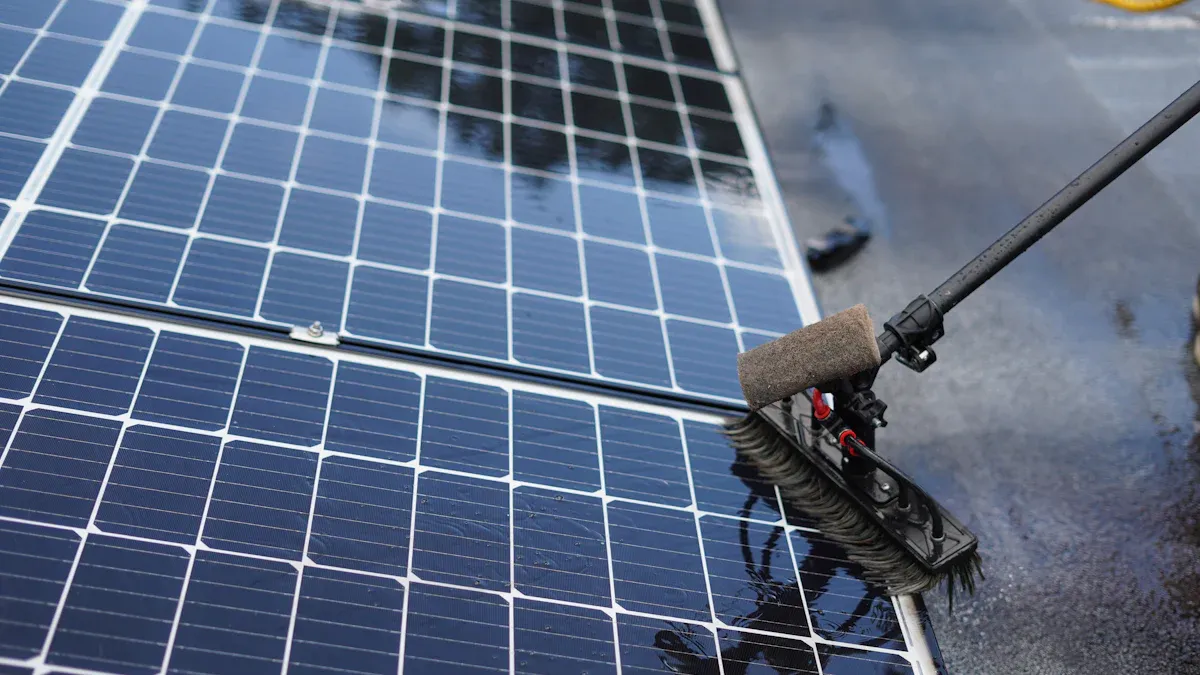
UV rays can damage your solar cables over time. Protecting them from these harmful rays is essential for maintaining their integrity. Here are some effective strategies:
- Use UV-Resistant Materials: When selecting solar cables, choose those made from UV-resistant materials. These cables have coatings that withstand sunlight exposure.
- Install Protective Covers: Consider using protective covers or conduits. These can shield your cables from direct sunlight and reduce UV damage.
- Regularly Inspect for Damage: Check your cables for signs of UV degradation, such as discoloration or brittleness. If you notice any issues, replace the affected cables promptly.
By implementing these strategies, you can significantly enhance the lifespan of your solar cables and ensure they perform optimally.
Weatherproofing Measures
Weather conditions can also impact the performance of your solar cables. Taking steps to weatherproof them is crucial. Here are some measures you can adopt:
- Seal Connections: Use weatherproof connectors and sealants to protect connections from moisture. This prevents corrosion and ensures a reliable electrical connection.
- Elevate Cables: When installing cables, keep them elevated off the ground. This helps prevent water accumulation and reduces the risk of damage from flooding or heavy rain.
- Choose the Right Location: Avoid placing cables in areas prone to extreme weather. If possible, route them through sheltered areas to minimize exposure to harsh conditions.
By following these weatherproofing measures, you can safeguard your solar cables against environmental factors and extend their lifespan.
Regular Inspections of Solar Cables

Frequency of Inspections
Regular inspections of your solar cables are vital for maintaining their performance. Aim to check your cables at least twice a year. However, if you live in an area with extreme weather conditions, consider inspecting them every three months. This proactive approach helps you catch potential issues early and prevents costly repairs down the line.
What to Look For During Inspections
When inspecting your solar cables, focus on several key areas:
- Physical Damage: Look for any signs of wear, such as cuts, abrasions, or fraying. These can compromise the cable's integrity.
- Corrosion: Check connectors and terminations for rust or corrosion. Corroded connections can lead to power loss.
- UV Degradation: Inspect for discoloration or brittleness, which indicates UV damage. Replace any affected cables promptly.
- Loose Connections: Ensure all connections are tight. Loose connections can cause overheating and reduce efficiency.
Tip: Keep a checklist for your inspections. This will help you remember what to look for and ensure you don’t miss anything important.
By conducting regular inspections and knowing what to look for, you can significantly extend the lifespan of your solar cables and maintain the efficiency of your solar energy system.
Ensuring Connection Integrity
Checking Connectors and Terminations
You must regularly check the connectors and terminations of your solar cables. These components play a crucial role in maintaining a reliable electrical connection. Here are some steps to follow:
- Inspect for Damage: Look for any signs of wear or corrosion on connectors. Damaged connectors can lead to power loss.
- Clean Connections: Use a soft cloth to wipe away dirt and debris. Clean connections help ensure optimal performance.
- Test Connections: If possible, use a multimeter to test the voltage at the connectors. This helps you confirm that they are functioning correctly.
By keeping an eye on these components, you can prevent issues that may arise from poor connections.
Importance of Tight Connections
Tight connections are vital for the efficiency of your solar energy system. Loose connections can cause overheating and lead to system failures. Here’s why you should prioritize tight connections:
- Prevent Power Loss: Loose connections can create resistance, which reduces the amount of power your system generates.
- Enhance Safety: Tight connections minimize the risk of electrical arcing, which can cause fires or damage to your system.
- Increase Longevity: Ensuring that connections remain tight helps extend the lifespan of your cables and connectors.
Tip: Regularly check and tighten connections during your inspections. This simple step can save you from costly repairs and ensure your solar system operates efficiently.
By focusing on connection integrity, you can maintain the performance and safety of your solar energy system.
Monitoring System Performance
Using Monitoring Tools
Monitoring your solar system's performance is essential for ensuring efficiency. You can use various tools to track energy production and identify issues. Here are some popular options:
- Solar Monitoring Apps: Many solar systems come with apps that provide real-time data. These apps show energy output, system status, and historical performance.
- Web-Based Dashboards: Some systems offer online dashboards. You can access these from any device with internet access. They provide detailed insights into your system's performance.
- Data Loggers: These devices record performance data over time. You can analyze this data to spot trends and identify potential problems.
Recognizing Performance Issues Early
Early detection of performance issues can save you time and money. Here are some signs to watch for:
- Decreased Energy Output: If your system produces less energy than expected, investigate the cause. This could indicate a problem with the cables or connections.
- Frequent System Alerts: Pay attention to alerts from your monitoring tools. These notifications can signal issues that require immediate attention.
- Physical Damage: Regularly inspect your cables and connections for wear or damage. Addressing these issues quickly can prevent further complications.
Tip: Set reminders to check your monitoring tools regularly. This habit helps you stay informed about your system's performance and catch issues early.
By using monitoring tools and recognizing performance issues, you can maintain the efficiency and longevity of your solar energy system.
To extend the lifespan of your DC photovoltaic cables, remember these key tips:
- Manage cables properly during installation.
- Protect cables from UV rays and harsh weather.
- Conduct regular inspections and maintain connections.
Regular care is essential. Implement these best practices to ensure your solar system runs efficiently for years to come! 🌞
FAQ
How often should I inspect my solar cables?
Inspect your solar cables at least twice a year. If you live in extreme weather areas, check them every three months.
What are the signs of cable damage?
Look for cuts, fraying, discoloration, or corrosion. These indicate potential issues that may affect performance.
Can I replace damaged cables myself?
Yes, you can replace damaged cables. Ensure you follow manufacturer guidelines for proper installation and safety.