
 Send Email
 Whatsapp


Explore the Best Solar Cables for Your Photovoltaic System

You want your solar power system to last. Choose a Solar Cable that handles tough weather, resists UV rays, and keeps electricity flowing strong. Look for copper wires with the right size and certifications. This way, you keep your setup safe and working well for years.
Key Takeaways
- Choose high-quality solar cables made of copper with thick insulation and UV resistance to ensure safety and long-lasting performance.
- Select the right cable size (AWG) based on your system's power needs and distance to avoid overheating and energy loss.
- Always use certified cables with proper connectors like MC4, and regularly inspect your cables for damage to keep your solar system safe and efficient.
What Is a Solar Cable and Why Is It Important?
The Role of Solar Cable in Photovoltaic Systems
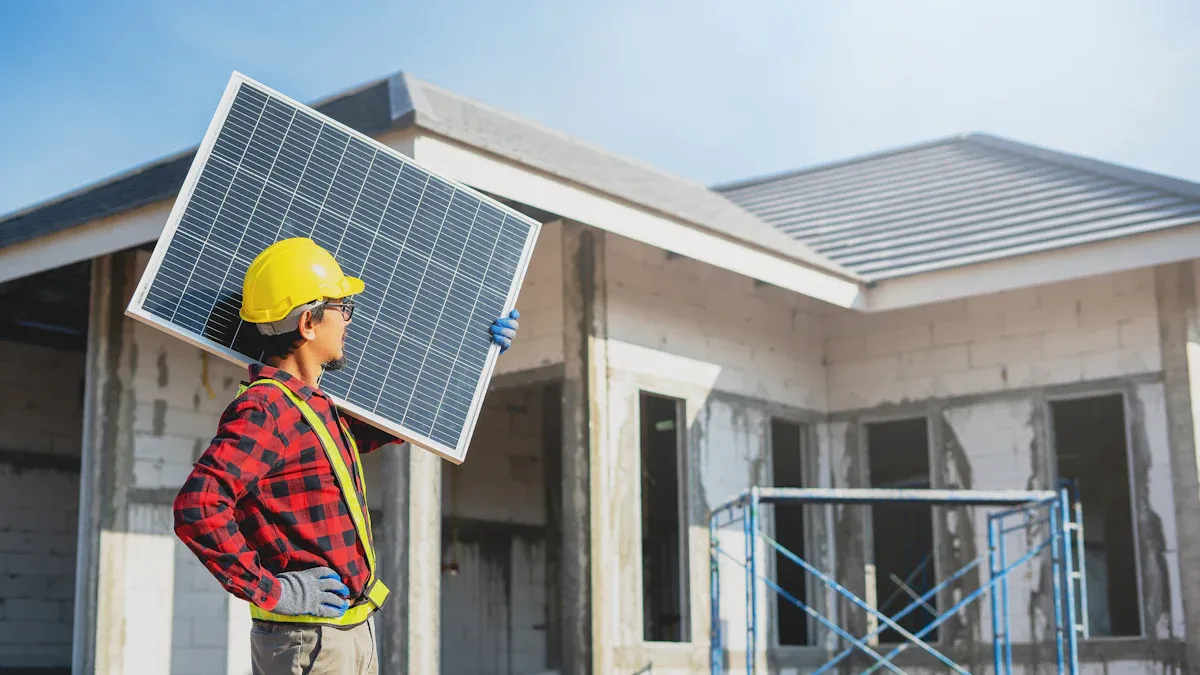
You might wonder what a solar cable does in your solar setup. Think of it as the main road for electricity. When your solar panels collect sunlight, they turn it into electricity. The solar cable carries this power from the panels to your inverter and then to your home or battery. If you use the right cable, you get smooth and safe power flow. If you use the wrong one, you risk losing energy or even damaging your system.
Tip: Always check the cable path. Make sure it is clear and not pinched or bent too sharply. This helps your system work better and last longer.
How Solar Cable Quality Affects Performance and Safety
Quality matters a lot when you pick a solar cable. Good cables use strong copper wires. They resist heat, cold, and sunlight. This means you get steady power, even on hot summer days or during storms. Poor-quality cables can crack, melt, or let water in. That can cause short circuits or fires.
Here’s what you should look for:
- Thick insulation for safety
- UV resistance for outdoor use
- Proper certifications for peace of mind
If you choose a high-quality cable, you protect your investment and keep your family safe.
Types of Solar Cable for Photovoltaic Systems
PV Wire vs. Standard Electrical Wire
You might think all wires look the same, but they work very differently. PV wire is made just for solar power systems. It stands up to sunlight, rain, and big changes in temperature. Standard electrical wire is for indoor use. It does not handle outdoor weather or UV rays well.
Here’s a quick comparison:
| Feature | PV Wire | Standard Electrical Wire |
|---|---|---|
| UV Resistant | Yes | No |
| Weatherproof | Yes | No |
| Flexible | Yes | Sometimes |
| Outdoor Use | Yes | No |
| Common in Solar Setups | Yes | No |
Note: Always pick PV wire for your solar setup. It keeps your system safe and working longer.
Single-Core vs. Multi-Core Solar Cable
You will see two main types of cable: single-core and multi-core. Single-core cable has one thick wire inside. Multi-core cable has several smaller wires bundled together.
- Single-core cable works best for big solar projects. It carries more power and is easy to install in straight lines.
- Multi-core cable bends easily. You can use it in tight spaces or for smaller setups.
Think about your space and how much power you need. If you have a large roof or ground system, single-core is a good choice. If you need to twist and turn around corners, multi-core might fit better.
Copper vs. Aluminum Solar Cable
You have two main choices for the metal inside your cable: copper or aluminum. Copper is the top pick for most solar systems. It carries electricity better and lasts longer. Aluminum costs less, but it does not conduct as well and can break down faster.
Here’s a quick look:
- Copper cable: Great for high performance and long life. It resists rust and handles more power.
- Aluminum cable: Cheaper and lighter. It works for short runs or when you want to save money, but you may lose some efficiency.
Tip: If you want the best results, choose copper for your solar cable. It gives you better power and fewer problems over time.
Solar Cable Size and AWG Ratings
Understanding AWG and Sizing for Solar Cable
You might see the letters "AWG" when you shop for cables. AWG stands for American Wire Gauge. This system tells you how thick a wire is. The lower the AWG number, the thicker the wire. For example, a 10 AWG wire is thicker than a 14 AWG wire. Thicker wires can carry more electricity without getting too hot.
Here’s a simple table to help you understand:
| AWG Size | Typical Use in Solar Systems | Max Amps (Approx.) |
|---|---|---|
| 14 AWG | Small panels, short runs | 15 |
| 12 AWG | Medium panels, short runs | 20 |
| 10 AWG | Most home solar setups | 30 |
| 8 AWG | Large systems, longer runs | 40 |
Tip: Always check your system’s manual. It will tell you the right AWG size for your setup.
Choosing the Right Solar Cable Gauge for Your System
Picking the right cable gauge keeps your system safe and efficient. If you use a wire that is too thin, it can overheat or waste energy. If you use a wire that is too thick, you might spend more money than you need to.
Follow these steps:
- Find out how much current (amps) your system uses.
- Measure the distance from your panels to your inverter or battery.
- Use an AWG chart to match your amps and distance to the right wire size.
If you feel unsure, ask a professional for help. The right choice will help your solar cable last longer and work better.
Key Features of the Best Solar Cable
Durability and Weather Resistance
You want your solar cables to last for years. Weather can be tough on anything outside. Rain, snow, and sun can wear down weak cables. A good solar cable stands up to all kinds of weather. It does not crack in the cold or melt in the heat. You can trust it to keep working, even after storms or long summers.
Look for these signs of durability:
- Thick, strong outer jacket
- Flexible material that bends without breaking
- Resistance to water and dust
If you live in a place with lots of rain or strong sun, you need a cable that can handle it. You do not want to replace your cables every year. Pick one that is made for outdoor use. Your system will run better and you will save money in the long run.
Tip: Check the cable for any signs of wear every few months. Catching small problems early can stop bigger issues later.
Insulation, UV Protection, and Temperature Ratings
Insulation keeps the electricity inside the cable. It also keeps you safe. Good insulation stops power from leaking out. It also protects the wire from water and dirt. You should always check the insulation before you buy.
Sunlight can damage some cables. UV rays break down weak materials. A top-quality solar cable has UV protection. This means the sun will not make it brittle or weak. You can use it on your roof or in your yard without worry.
Temperature ratings tell you how hot or cold the cable can get and still work. Some cables work well in freezing weather. Others can handle very high heat. Always check the label for the temperature range. Make sure it matches your local weather.
Here’s a quick table to help you:
| Feature | Why It Matters |
|---|---|
| Insulation | Stops leaks, keeps you safe |
| UV Protection | Stops sun damage |
| Temp Ratings | Works in hot or cold weather |
Fire Safety and Certifications
Safety comes first. You want a cable that will not catch fire easily. Some cables have special coatings that slow down flames. This gives you more time to fix problems if something goes wrong.
Certifications show that the cable meets safety rules. Look for marks like UL or TÜV. These mean the cable passed tough tests. You can trust certified cables to work safely in your solar system.
Here are some things to check:
- Fire-resistant rating on the label
- Certification marks from trusted groups
- Clear instructions from the maker
Note: Never use a cable without proper certifications. It is not worth the risk.
Solar Cable Connectors and Compatibility
MC4 Connectors for Solar Cable
You will see MC4 connectors everywhere in solar setups. These connectors snap together easily and keep your wires safe from water and dust. You can connect and disconnect them without tools. MC4 connectors help you build your system faster and fix problems quickly.
Why do people like MC4 connectors?
- They lock tight and do not come loose.
- They work well outdoors, even in rain or strong sun.
- You can use them with most solar cable sizes.
Tip: Always check that your MC4 connectors match the wire size. If they do not fit, you might lose power or damage your system.
Selecting the Right Connector for Your Solar Cable
Picking the right connector makes your solar system safer and easier to use. You need to match the connector to your wire size and type. Some connectors work only with certain cables. Others fit many sizes.
Here’s a quick table to help you choose:
| Connector Type | Best For | Weatherproof | Easy to Install |
|---|---|---|---|
| MC4 | Most solar cables | Yes | Yes |
| T4 | Large systems | Yes | Yes |
| Anderson | Battery setups | No | Yes |
You should always read the instructions before you connect anything. If you feel unsure, ask for help. The right connector keeps your solar cable working well and your system safe.
If you want your solar setup to last, use connectors made for outdoor use. This simple step saves you time and money.
Solar Cable Pricing and Where to Buy
Factors Affecting Solar Cable Prices
You might notice that prices for cables can jump around. Several things change how much you pay. The material inside the cable makes a big difference. Copper costs more than aluminum because it works better and lasts longer. The thickness of the cable also matters. Thicker cables carry more power, but they use more material, so they cost more.
Length plays a role, too. If you need a long cable to reach from your roof to your inverter, you will pay more. Some cables come with special coatings or extra insulation. These features help the cable last longer outside, but they add to the price.
Here’s a quick table to help you see what affects the cost:
| Factor | Impact on Price |
|---|---|
| Copper vs. Aluminum | Copper costs more |
| Cable Thickness | Thicker costs more |
| Length | Longer costs more |
| Extra Features | Adds to price |
Tip: You can save money by buying the right length and thickness for your setup. Don’t buy more than you need.
Where to Buy Quality Solar Cable
You want a cable that works well and lasts. You can find good cables at local electrical stores. Many people shop online for more choices and better prices. Trusted websites like Amazon, Home Depot, and solar specialty shops offer certified products.
Check reviews before you buy. Look for cables with safety certifications. Ask the seller if you have questions. You can also talk to a solar installer for advice.
If you want peace of mind, buy from a store that offers a warranty. This way, you know you’re getting a cable that will last.
Solar Cable Installation Guide
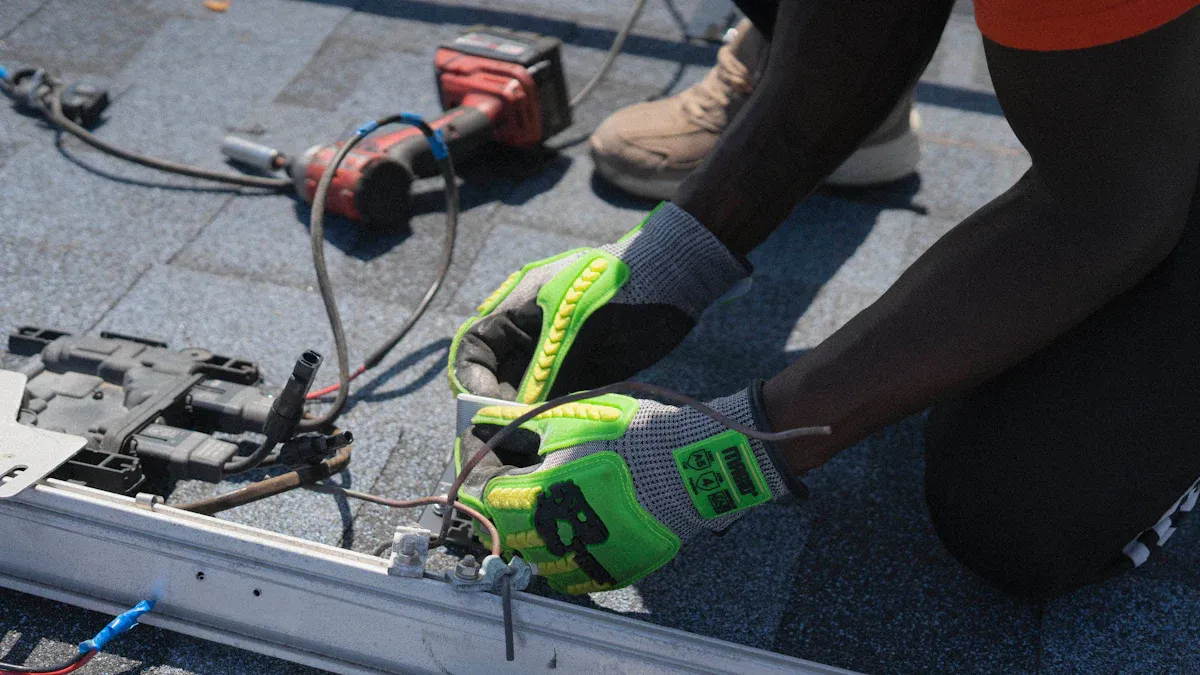
Essential Tools for Solar Cable Installation
You need the right tools before you start working with solar cables. Here’s a quick list to help you get ready:
- Wire cutters and strippers
- Screwdrivers
- Crimping tool
- Multimeter
- Electrical tape
- MC4 connector tool
A multimeter helps you check if your connections work. Wire strippers make it easy to remove insulation without damaging the cable. The MC4 connector tool lets you connect and disconnect solar cable connectors safely.
Tip: Lay out your tools before you begin. This saves time and helps you avoid mistakes.
Step-by-Step Solar Cable Installation
Let’s walk through the basic steps for installing a solar cable:
- Measure the distance between your solar panels and inverter.
- Cut the cable to the right length.
- Strip the ends of the cable using wire strippers.
- Attach MC4 connectors to both ends.
- Connect the cable to the solar panel and inverter.
- Use a multimeter to test the connection.
- Secure the cable with clips or ties to keep it in place.
You should always follow the instructions from your solar cable manufacturer.
Common Solar Cable Installation Mistakes
People make mistakes when installing solar cables. Here are some to watch out for:
| Mistake | Why It’s a Problem |
|---|---|
| Loose connections | Causes power loss |
| Sharp bends | Damages the cable |
| Wrong cable size | Overheats or fails |
| Skipping tests | Misses hidden problems |
Always double-check your work. A small mistake can lead to big trouble later.
Solar Cable Safety Standards and Certifications
UL Listings and International Standards for Solar Cable
You want your solar setup to be safe and reliable. That’s why you should always look for cables with trusted safety certifications. UL (Underwriters Laboratories) is a big name in the United States. If you see a UL mark on your solar cable, you know it passed strict safety tests. This mark means the cable can handle tough conditions and won’t fail when you need it most.
Other countries use different standards. For example, TÜV is popular in Europe. Some cables also meet IEC (International Electrotechnical Commission) rules. These standards check things like fire resistance, weatherproofing, and electrical safety.
Here’s a quick table to help you spot the main certifications:
| Certification | Where You’ll See It | What It Means |
|---|---|---|
| UL | USA | Passed safety tests |
| TÜV | Europe | Meets EU standards |
| IEC | Worldwide | International approval |
Always check for these marks before you buy. Certified cables keep your system safe and up to code.
Importance of Proper Solar Cable Insulation
Insulation acts like a shield for your wires. It keeps electricity inside the cable and stops water or dirt from getting in. Good insulation also protects you from shocks and keeps your system running smoothly.
If the insulation cracks or wears out, you could face big problems. Water might get in and cause a short circuit. The cable could even catch fire. You don’t want that risk.
Here’s what you should do:
- Check the insulation for cracks or damage every few months.
- Choose cables with thick, weatherproof insulation.
- Replace any damaged cable right away.
Tip: Proper insulation helps your solar cable last longer and keeps your home safe.
Choosing the right solar cable keeps your solar system safe and strong. Always pick certified, weather-resistant cables with the right size. Buy from trusted suppliers. Want your setup to last? Take a moment to check your needs and get the best cable for your project.
Your solar journey starts with the right cable!
FAQ
What makes a solar cable different from regular wire?
Solar cables handle sunlight, rain, and heat. Regular wires do not. You get better safety and longer life with solar cables.
Can you use any size cable for your solar panels?
No, you need the right size. If you pick a cable that is too thin, it can overheat. Always check your system’s manual.
How often should you check your solar cables?
You should check your cables every few months. Look for cracks, loose connections, or wear. Fix problems early to keep your system safe.