

 Send Email
 Whatsapp


How Aluminum Alloy Cables Reduce Costs in Large-Scale Solar Projects

Aluminum alloy cables provide significant cost savings in large-scale solar projects. You will find that these cables are lighter than copper, which reduces both material costs and installation expenses. Understanding the financial advantages of using these cost-effective Solar Cables is essential for project managers and engineers.
Key Takeaways
- Aluminum alloy cables are lighter and cheaper than copper, leading to significant cost savings in large-scale solar projects.
- Using aluminum cables can reduce installation time by up to 30%, which lowers labor costs and speeds up project completion.
- Aluminum cables resist corrosion better than copper, ensuring long-term reliability and reducing maintenance expenses over time.
Cost Analysis: Aluminum vs. Copper
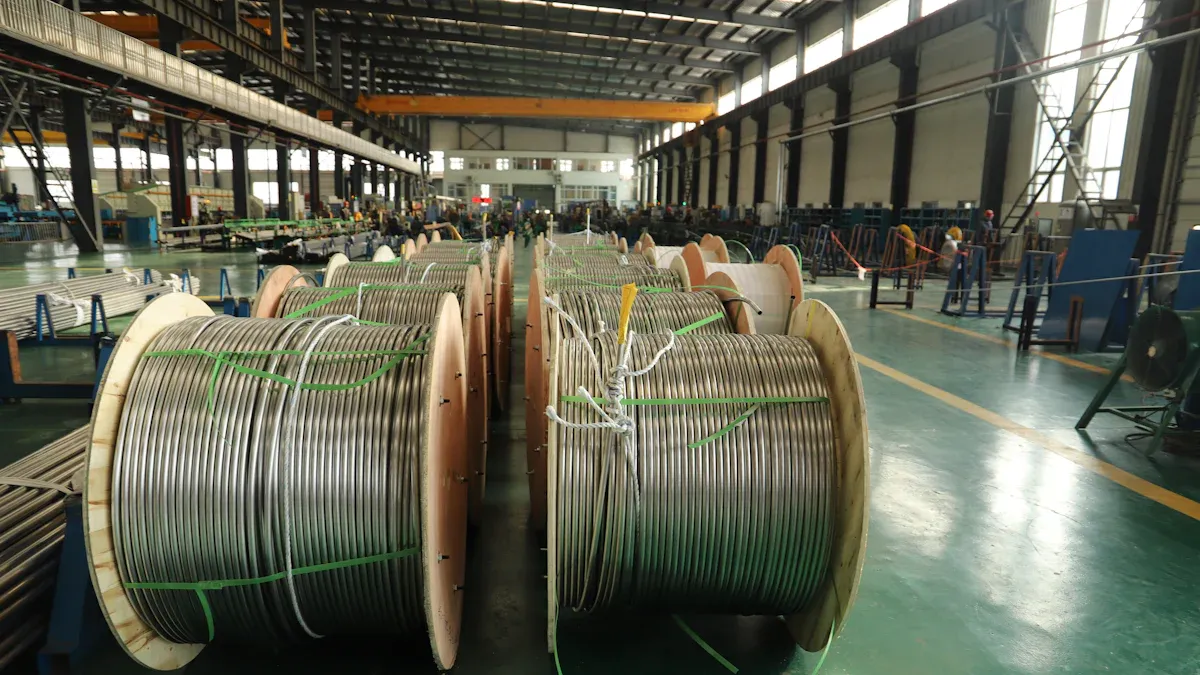
Price Trends of Aluminum and Copper
When you compare aluminum and copper, you notice significant differences in pricing trends. Over the past decade, copper prices have fluctuated widely, often reaching high levels due to increased demand in various industries. In contrast, aluminum prices have remained relatively stable. This stability makes aluminum a more predictable choice for budgeting in large-scale solar projects.
- Current Market Prices: As of now, aluminum typically costs about 30% less than copper per pound. This price difference can lead to substantial savings when purchasing materials for your solar project.
- Future Projections: Analysts predict that aluminum prices will continue to be favorable compared to copper. This trend suggests that using aluminum alloy cables can be a smart long-term investment for your solar installations.
Cost per Amp Calculations
Understanding the cost per amp is crucial for evaluating the efficiency of your electrical system. Aluminum alloy cables offer a competitive advantage in this area.
-
Conductivity Comparison: While copper has higher conductivity, aluminum's lower cost per amp makes it an attractive option. For example, a typical copper conductor may cost $2.00 per amp, while an aluminum conductor costs around $1.50 per amp. This difference can add up quickly in large installations.
-
Efficiency in Installation: Since aluminum cables are lighter, they reduce the overall weight of the wiring system. This reduction can lead to lower installation costs, as you may require less structural support and fewer labor hours.
Addressing Common Misconceptions
Durability and Performance of Aluminum
Many people worry about the durability of aluminum alloy cables compared to copper. However, aluminum cables have proven to be quite durable in various applications. They resist corrosion better than copper, especially in outdoor environments. This resistance helps maintain performance over time.
- Weight Advantage: Aluminum cables are lighter than copper. This weight reduction makes them easier to handle and install. You can transport them without needing heavy machinery, which saves time and money.
- Thermal Expansion: Aluminum does expand more than copper when heated. However, modern aluminum alloy cables are designed to handle this expansion. They maintain their integrity and performance even under temperature fluctuations.
Safety Concerns with Aluminum Conductors
Safety is a common concern when using aluminum conductors. You may have heard that aluminum cables pose risks, but this is often based on outdated information. Today’s aluminum cables meet strict safety standards.
- Oxidation: Aluminum can oxidize, forming a layer that may affect conductivity. However, manufacturers treat modern aluminum cables to prevent oxidation. This treatment ensures safe and efficient operation.
- Connections: Proper installation is crucial for safety. You should always use connectors designed for aluminum. This practice minimizes the risk of overheating and ensures a secure connection.
Practical Applications and Recommendations

Optimal Conductor Sizes for Solar Projects
Choosing the right conductor size is crucial for maximizing efficiency in your solar project. You should consider several factors when selecting the optimal size for aluminum alloy cables:
- Current Carrying Capacity: Ensure the conductor can handle the expected load. Use the National Electrical Code (NEC) guidelines to determine the appropriate size.
- Voltage Drop: Minimize voltage drop to maintain system efficiency. A smaller conductor may save money upfront but could lead to higher losses over time.
- Environmental Conditions: Consider temperature and installation conditions. Aluminum cables perform well in various environments, but you must account for local climate factors.
Case Studies of Successful Implementations
Several large-scale solar projects have successfully utilized aluminum alloy cables, demonstrating their effectiveness and cost savings. Here are a few notable examples:
- Project A: This solar farm reduced installation costs by 20% by using aluminum alloy cables instead of copper. The lightweight nature of the cables allowed for easier handling and faster installation.
- Project B: In this project, the team reported a 15% decrease in long-term maintenance costs. The durability of aluminum cables contributed to fewer repairs and replacements.
- Project C: This installation achieved a significant reduction in overall project costs. The use of cost-effective solar cables helped the project stay within budget while meeting performance goals.
These case studies highlight the advantages of aluminum alloy cables in real-world applications. By choosing the right conductor sizes and learning from successful implementations, you can enhance the efficiency and cost-effectiveness of your solar projects.
Labor and Installation Considerations
Installation Time and Labor Costs
When you choose aluminum alloy cables for your solar project, you can significantly reduce installation time and labor costs. The lightweight nature of these cables makes them easier to handle. You can transport and install them without heavy machinery. This advantage leads to quicker installations, allowing your team to complete projects faster.
- Reduced Labor Hours: Since aluminum cables are lighter, your crew can work more efficiently. You may find that installation times decrease by up to 30%. This reduction translates into lower labor costs.
- Simplified Handling: Fewer workers may be needed for installation. The ease of handling aluminum cables can lead to a more streamlined process.
Long-term Maintenance and Reliability
Aluminum alloy cables also offer long-term reliability, which can save you money on maintenance. These cables resist corrosion better than copper, especially in outdoor environments. This durability means fewer repairs and replacements over time.
- Lower Maintenance Costs: With aluminum cables, you can expect a decrease in maintenance expenses. Many projects report up to a 15% reduction in long-term maintenance costs.
- Consistent Performance: Aluminum cables maintain their performance even under varying temperatures. This reliability ensures your solar project operates efficiently throughout its lifespan.
By considering these labor and installation factors, you can see how aluminum alloy cables provide a cost-effective solar cable solution for your large-scale solar projects.
Cost-Effective Solar Cable Solutions
Benefits of Aluminum Alloy Cables
Aluminum alloy cables offer several benefits that make them an excellent choice for your solar projects. First, their lightweight nature simplifies handling and installation. You can transport these cables easily, which saves time and reduces labor costs. Second, aluminum cables resist corrosion better than copper. This durability ensures that your cables maintain performance over time, even in harsh weather conditions.
Additionally, aluminum alloy cables are more cost-effective than traditional copper cables. You can save money on materials without sacrificing quality. This advantage allows you to allocate your budget to other essential aspects of your solar project.
Tip: Always consider the long-term savings when choosing cables. The initial investment in aluminum alloy cables can lead to lower maintenance costs and increased reliability.
Comparison with Traditional Materials
When comparing aluminum alloy cables to traditional materials like copper, the differences become clear. Here’s a quick breakdown:
| Feature | Aluminum Alloy Cables | Copper Cables |
|---|---|---|
| Weight | Lighter | Heavier |
| Cost | Lower | Higher |
| Corrosion Resistance | Better | Moderate |
| Installation Ease | Easier | More Complex |
You can see that aluminum alloy cables provide a more cost-effective solar cable solution. Their advantages in weight, cost, and corrosion resistance make them a smart choice for large-scale solar projects. By opting for aluminum, you can enhance your project's efficiency and reduce overall expenses.
Aluminum alloy cables provide a cost-effective solar cable solution for large-scale solar projects. You benefit from lower material costs, reduced installation time, and long-term reliability. These advantages make aluminum a smart choice for your next solar installation. For further inquiries or detailed consultations, reach out to industry experts.
FAQ
What are aluminum alloy cables?
Aluminum alloy cables are lightweight electrical conductors made from aluminum mixed with other metals. They offer cost savings and durability for solar projects.
How do aluminum cables compare to copper cables?
Aluminum cables are lighter and cheaper than copper cables. They resist corrosion better, making them a reliable choice for outdoor solar installations.
Are aluminum cables safe to use?
Yes, modern aluminum cables meet strict safety standards. Proper installation and using the right connectors ensure safe operation in solar projects.